
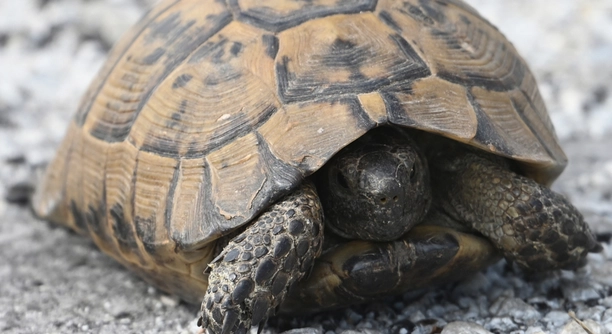
Keeping your Russian tortoise safe in the yard is essential to their well-being. Outdoor environments offer them space to roam but also present risks that could harm them. Knowing how to keep them protected is crucial for any tortoise owner.
The best ways to keep your Russian tortoise safe in the yard include creating secure enclosures, monitoring the environment for predators, and ensuring they have proper shade and water. A well-maintained outdoor area can minimize risks to their safety.
By taking these simple steps, your tortoise will be safer and more comfortable in the yard. Maintaining their environment ensures a healthy and happy life for your pet.
Creating a Secure Enclosure for Your Russian Tortoise
A secure enclosure is one of the most important aspects of keeping your Russian tortoise safe. It provides a controlled environment that prevents them from escaping and protects them from potential predators. When building the enclosure, ensure it has high sides to keep them in and avoid any gaps that could allow them to slip through. Consider using materials like wood, metal, or heavy-duty plastic to build the walls. Additionally, ensure the floor is solid, preventing any digging or burrowing attempts from the tortoise.
The size of the enclosure is important for their movement and comfort. Aim for at least 8 square feet for each tortoise. This ensures they have room to explore and get the exercise they need.
Adding a lid or roof can also help keep them safe from birds of prey and other animals that may pose a threat. With the right materials, the enclosure will become a safe haven for your tortoise, keeping them protected while allowing for natural behaviors.
Monitoring for Predators
Always monitor the yard for potential predators. Birds, dogs, and even other animals may pose a threat to your tortoise.
While your tortoise is outdoors, always supervise them, especially if they are in a more open area. If you are not around, consider placing them in a covered area.
Providing Proper Shade and Water
Your Russian tortoise needs access to both shade and fresh water to stay healthy. In hot weather, tortoises are vulnerable to heat stress, which can be dangerous. Provide shady spots in the yard where they can escape the sun and cool down. A simple structure like a small shelter or some plants can provide enough shade for them.
Make sure they always have access to fresh water. While Russian tortoises get some moisture from their food, a shallow water dish can help keep them hydrated. Make sure the water is not too deep, as they may accidentally drown if the dish is too large.
Keeping the Ground Safe and Comfortable
The ground should be soft yet firm to avoid injury. A mix of soil and sand is perfect for allowing your tortoise to dig naturally. Ensure there are no sharp rocks or debris that could harm their feet or cause injuries. A safe substrate will help your tortoise feel comfortable as it moves around the yard.
Avoid using harmful chemicals like pesticides or herbicides in the area. These chemicals can be toxic to tortoises. Keep the area free from any potential dangers such as sharp objects, broken glass, or dangerous plants. A well-maintained yard keeps your tortoise safe from harm while offering a comfortable space to roam.
Preventing Escape
Russian tortoises are skilled at finding ways to escape their enclosures. Ensure the fencing or walls of the enclosure are tall and deep enough to prevent them from climbing or digging under. Digging barriers are essential to keep them from escaping.
Check the enclosure regularly for signs of wear and tear, like gaps or loose sections in the fencing. Fix these immediately to ensure the tortoise remains safe within its boundaries. Even small openings could be enough for a determined tortoise to get out.
Providing Hiding Spots
Tortoises like to have places where they can retreat and feel safe. These hiding spots help them feel secure, especially if they get stressed. A simple, low shelter made of wood or rocks can work perfectly.
Ensure the hiding area has enough space for them to fully retreat inside. It should provide protection from the sun and predators while allowing them to feel safe and undisturbed. You can place it in a shady spot to further enhance their comfort.
FAQ
How can I tell if my Russian tortoise is too hot?
Signs of heat stress in Russian tortoises include panting, lethargy, or trying to burrow to escape the heat. If they are excessively slow, drinking a lot of water, or avoiding moving altogether, these may also be signs they are too hot. To avoid this, provide plenty of shaded areas where they can cool down, and ensure there is fresh water available at all times.
What should I do if my tortoise escapes?
If your tortoise has escaped, immediately search the area and any nearby spaces. Check under bushes, in flower beds, and around fences. You can also use food like lettuce or dandelions to attract them back. Afterward, assess the enclosure and repair any weaknesses to prevent further escapes.
Can I leave my tortoise outside overnight?
It’s best not to leave your tortoise outside overnight, especially if the weather is cold or there is a risk of predators. They are more vulnerable in the dark, so bringing them inside or securing them in a fully enclosed area is recommended. If you do keep them outside, make sure they have enough shelter to protect them from the elements.
How often should I feed my Russian tortoise in the yard?
You should feed your tortoise once a day, providing a variety of fresh leafy greens, vegetables, and grasses. Avoid high-fat or high-protein foods, as they can cause health problems. Ensure that the food is safe and pesticide-free, especially if they are grazing outside.
What kind of plants should I avoid in my yard for my tortoise?
Avoid planting any toxic plants like foxglove, lilies, and certain succulents. Also, be cautious with plants that may have been treated with pesticides or herbicides. Research each plant before allowing your tortoise access to it, as some common garden plants can cause poisoning if ingested.
Do Russian tortoises need UVB light outside?
Yes, Russian tortoises need UVB exposure to help with calcium absorption and overall health. If your tortoise is spending time outdoors in the yard, make sure they have access to sunlight, which provides natural UVB rays. If they’re kept indoors, use a UVB light to replicate natural sunlight.
How do I prevent my tortoise from getting sunburned?
To avoid sunburn, make sure your tortoise has access to shaded areas throughout the day. A combination of natural sun and shade is ideal. If they are outside in direct sunlight for too long, they may overheat or get burned, so always keep an eye on their exposure.
How can I make sure my Russian tortoise stays hydrated?
Always provide fresh water in a shallow dish that is easy for your tortoise to access. You can also mist their enclosure with water, particularly during hot weather. Ensure that the water dish is not too deep, as tortoises can sometimes accidentally drown if the dish is too large.
Can I let my tortoise roam freely in my backyard?
While it’s tempting to let your tortoise roam freely, it’s best to keep them in a secure enclosure. Your backyard might have hidden dangers like predators, uneven ground, or toxic plants. If you let them roam, always supervise them closely and make sure the area is safe.
What is the best substrate for my tortoise’s enclosure?
The best substrate for a Russian tortoise’s enclosure is a mixture of organic soil and sand. This provides a natural environment for them to dig and burrow. Avoid using pine or cedar wood shavings, as these can be harmful to their respiratory system.
Should I provide a water dish for my tortoise in the yard?
Yes, always provide a shallow water dish that your tortoise can drink from. The dish should be easy to access, but not too deep to prevent any risk of drowning. Make sure to change the water regularly to keep it clean.
What temperature is best for a Russian tortoise in the yard?
The ideal temperature for a Russian tortoise during the day is between 75 and 85°F. At night, temperatures can drop to about 60°F. If temperatures exceed 90°F, move your tortoise to a shaded area, as they may overheat. Always ensure they have an area to cool down if needed.
Can Russian tortoises live with other animals in the yard?
It is not recommended to house your Russian tortoise with other animals like dogs, cats, or other species of tortoises. These animals may pose a threat to your tortoise, either through aggressive behavior or disease transmission. If you allow other animals in the yard, always supervise their interactions.
How do I know if my tortoise is healthy in the yard?
Check for signs like active movement, bright eyes, and eating well. Healthy tortoises are alert and responsive to their environment. If your tortoise is not eating, drinking, or moving, or if they seem lethargic or have unusual shell or skin conditions, they may be unwell and should be checked by a vet.
What should I do if I notice my tortoise has a cracked shell?
A cracked shell can be a serious injury. If you notice a crack or injury, immediately take your tortoise to a vet for assessment. The vet can clean the wound and apply the necessary treatment to help the shell heal. Keeping your tortoise in a safe, padded enclosure can prevent further injury.
Final Thoughts
Caring for a Russian tortoise in your yard requires careful planning and attention to detail. Their safety and well-being depend on a secure environment, proper diet, and regular monitoring. A well-maintained enclosure with appropriate fencing and shelters can prevent escapes and protect them from predators. In addition, providing plenty of shaded areas and fresh water will ensure your tortoise remains comfortable in different weather conditions. Keeping a watchful eye on their health and behavior will help you spot any signs of stress or illness early on.
While your Russian tortoise can enjoy the outdoors, it’s important to ensure the yard is free from any hazards. Avoid toxic plants, and make sure the area is secure to prevent escapes. You can also enrich their environment by offering hiding spots and different textures to walk on, which will keep them active and content. Don’t forget the importance of UVB light, either from natural sunlight or artificial sources. Proper UVB exposure helps maintain their overall health, especially their bone health.
Taking these steps will allow you to create a safe and enjoyable space for your tortoise. By regularly checking the enclosure, providing a variety of food, and making sure they have access to water, you’ll help them thrive in their outdoor habitat. With the right care and attention, your Russian tortoise will lead a happy and healthy life in your yard.

Hello,
If you enjoy the content that we create, please consider saying a "Thank You!" by leaving a tip.
Every little bit helps us continue crafting quality advice that supports the health, happiness, and well-being of pets around the world, for pets of all shapes, sizes, and species.
We really appreciate the kindness and support that you show us!