
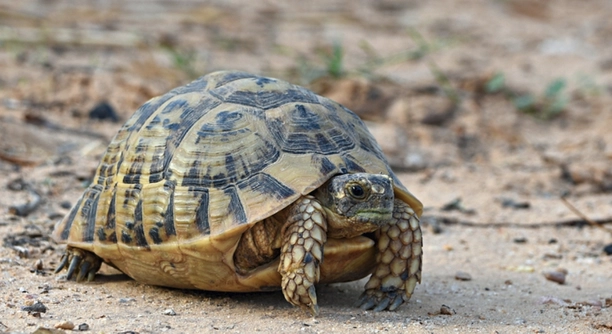
Russian tortoises are fascinating pets, but sometimes their behavior, like rubbing their noses, can leave you concerned. This common action can signal a variety of things, so it’s important to understand the potential causes.
Rubbing the nose is typically caused by environmental factors, such as a dry habitat or an abrasive surface. It can also be linked to respiratory issues or behavioral responses to stress, indicating the need for adjustments to the tortoise’s care.
Understanding these behaviors can help you ensure your tortoise stays healthy and comfortable. Let’s explore the reasons behind this behavior and how you can provide the right care.
Dry Habitat
A dry environment is one of the most common reasons your Russian tortoise might rub its nose. These tortoises need a specific level of humidity in their habitat to stay comfortable. If the air is too dry, their nasal passages may become irritated, leading them to rub their noses against surfaces. This behavior could be an attempt to clear their nasal passages or find relief from discomfort.
Ensuring that your tortoise’s enclosure maintains proper humidity levels is crucial for their health. A simple way to check this is by using a hygrometer, which will help you monitor the moisture in the air. Adding a shallow water dish and misting the habitat occasionally can help maintain the right humidity level. It’s important to balance this humidity with proper ventilation, so the enclosure doesn’t become too damp, which could lead to other health issues.
Make sure your tortoise has access to a clean, spacious area where it can move around freely and stay hydrated. The right environment will help prevent unnecessary stress and potential nose rubbing.
Abrasive Surfaces
Sometimes, your tortoise may rub its nose against rough surfaces like rough substrates or rocks. This could happen if there’s something in the habitat that is irritating their skin or nose.
Smooth surfaces, such as tiles or sand, can help avoid this issue. If your tortoise continues rubbing its nose, check for any rough or uncomfortable objects that could be causing irritation.
Respiratory Issues
If your tortoise has a respiratory infection, it might rub its nose to try and clear its airways. Respiratory infections are common in tortoises, especially if they are kept in an environment that is too cold or humid. If left untreated, these infections can worsen, causing more severe health issues.
Respiratory problems in tortoises can also cause nasal discharge, lethargy, and labored breathing. If you notice these symptoms alongside nose rubbing, it’s essential to consult a vet who specializes in reptiles. A proper diagnosis will help determine the best course of treatment, such as antibiotics or changes in the tortoise’s habitat.
To prevent respiratory issues, maintain a stable temperature and humidity level in your tortoise’s enclosure. Use a heat source that ensures they can bask at the correct temperature, and avoid drafts that could cool them down too quickly.
Stress or Anxiety
Stress can also cause your tortoise to rub its nose as a way to express discomfort. Changes in their environment, such as new pets, loud noises, or even an overcrowded enclosure, can lead to this behavior.
Stress impacts tortoises in various ways, from physical signs like nose rubbing to more subtle signs like a lack of appetite. If you notice these behaviors, it might be worth evaluating their living conditions. Providing a quiet, secure space for your tortoise can help reduce anxiety. Ensure that the enclosure is large enough for them to move freely and that they feel safe within it.
Avoid frequent handling, and give them time to adjust to any new changes. Tortoises thrive when they have a predictable, calm environment.
Poor Diet
An improper diet may also lead to nose rubbing. If your Russian tortoise isn’t getting the right nutrients, it may be more prone to irritation or infection. Offering a balanced diet with fresh greens and appropriate supplements is essential for maintaining their overall health.
Make sure your tortoise is eating a variety of vegetables, such as dandelion greens and collard greens, and avoid high-protein foods. Supplements like calcium are necessary to keep their bones strong and avoid issues like soft shell. A balanced diet can prevent many health problems, including nasal issues caused by malnutrition.
Overgrown Beak
Sometimes, an overgrown beak can cause your tortoise to rub its nose. The beak, if not properly worn down, can become uncomfortable or misaligned, leading to rubbing behavior. This may require intervention to prevent further damage.
A vet can help trim the beak and ensure it is properly shaped. Regular monitoring and providing appropriate surfaces for your tortoise to chew on, such as rocks or cuttlebone, can help keep the beak healthy.
FAQ
Why is my Russian tortoise rubbing its nose constantly?
Nose rubbing in Russian tortoises can be caused by various factors. Dry conditions, respiratory infections, stress, or even an overgrown beak could be the reasons behind this behavior. It’s important to observe any other symptoms like discharge, lethargy, or lack of appetite to help pinpoint the exact cause. If the rubbing persists, consider consulting a reptile vet.
How can I prevent my tortoise from rubbing its nose?
To prevent nose rubbing, ensure your tortoise’s habitat is properly set up with correct humidity, temperature, and ventilation. Maintaining proper conditions will reduce the chances of respiratory issues and dry skin. Additionally, providing a comfortable and stress-free environment, along with a balanced diet, will help maintain its overall well-being.
What temperature should my Russian tortoise’s habitat be?
A Russian tortoise’s enclosure should have a basking spot with a temperature of around 90°F (32°C), and the cooler side should be between 70-75°F (21-24°C). These temperature gradients will allow your tortoise to regulate its body temperature effectively. Ensure the area does not drop too low, as cold temperatures can lead to respiratory problems.
Can nose rubbing indicate a respiratory infection?
Yes, constant nose rubbing can be a sign of a respiratory infection in Russian tortoises. Other signs of respiratory infections include nasal discharge, wheezing, or labored breathing. If you notice these symptoms, it’s best to consult a veterinarian who can diagnose and treat the infection. Early intervention is key.
Should I change the substrate in my tortoise’s enclosure?
Yes, it might be worth checking the substrate in your tortoise’s habitat. Rough or abrasive materials, like sand or gravel, can cause irritation and contribute to nose rubbing. Consider using smoother materials, such as reptile-safe bedding or coconut fiber, which are gentler on their skin and nose.
How can I increase the humidity in my tortoise’s enclosure?
To increase humidity, you can mist your tortoise’s enclosure regularly, add a shallow water dish, or place a humidifier nearby. However, be cautious not to create an overly damp environment, as this can lead to mold or other health issues. A hygrometer can help you monitor the humidity levels.
Is nose rubbing always a sign of something wrong?
Not always. Occasionally, tortoises may rub their noses as part of normal behavior, especially when they are exploring or trying to clear debris. However, if the rubbing is frequent or accompanied by other symptoms, it could indicate an underlying issue like dry conditions, a respiratory infection, or stress.
Can stress cause nose rubbing in tortoises?
Yes, stress is another factor that can lead to nose rubbing. Changes in the environment, loud noises, or overcrowding can stress your tortoise, making them exhibit behaviors like rubbing their nose. A calm, quiet environment with adequate space can help reduce stress and prevent this behavior.
What should I do if my tortoise is showing signs of a respiratory infection?
If you suspect your tortoise has a respiratory infection, take it to a reptile vet as soon as possible. Early treatment with antibiotics or other medications will help prevent complications. Keep the habitat at the correct temperature and humidity levels to support their recovery and prevent further infections.
Can I use any kind of bedding for my Russian tortoise?
Avoid using bedding that is too dusty or made from synthetic materials, as this can irritate your tortoise’s respiratory system. Natural bedding, such as coconut fiber, aspen shavings, or grass hay, is a better option. Make sure the bedding is free of chemicals or perfumes that could be harmful.
How often should I clean my tortoise’s enclosure?
Regular cleaning is important to maintain a healthy environment. Spot clean daily, removing any waste or uneaten food. A full enclosure cleaning should be done weekly, ensuring that the substrate is fresh and any bacteria or mold is removed. Keeping the habitat clean helps prevent infections and other health problems.
What can I do if my tortoise’s nose is bleeding?
If your tortoise’s nose is bleeding, it could be due to an injury, infection, or an overgrown beak. Stop any bleeding by gently cleaning the area with a saline solution and applying pressure. If bleeding continues, or if there are signs of an infection, seek veterinary attention immediately.
How do I know if my tortoise’s nose rubbing is due to an injury?
If your tortoise has sustained an injury, nose rubbing might be a way of trying to alleviate discomfort. Check for any visible cuts, swelling, or abrasions on the nose or surrounding areas. If there is noticeable damage or if the behavior persists, contact a vet for an assessment.
Can too much handling cause my tortoise to rub its nose?
Yes, excessive handling can stress your tortoise, leading to behaviors like nose rubbing. Tortoises can become anxious if handled too much, which might cause them to rub their faces against surfaces. Limit handling to reduce stress and allow your tortoise to feel more secure in its environment.
How can I tell if my tortoise is stressed?
Signs of stress in a tortoise include lack of appetite, hiding, excessive pacing, or unusual behaviors like nose rubbing. If you notice these signs, consider adjusting the environment. Make sure the habitat is large enough, and that it provides hiding spots and a quiet space to relax.
Final Thoughts
Nose rubbing in your Russian tortoise can be a sign of several underlying issues, from environmental stress to health problems. It’s important to address this behavior promptly to ensure your tortoise remains happy and healthy. While occasional nose rubbing might just be a harmless behavior, if it becomes frequent or is accompanied by other symptoms like discharge, lethargy, or difficulty breathing, it’s time to take action.
The most common causes of nose rubbing include improper humidity levels, respiratory infections, stress, and physical issues such as overgrown beaks. By carefully monitoring the living conditions, ensuring proper temperature and humidity, and providing a balanced diet, you can often prevent nose rubbing from becoming a serious issue. If environmental adjustments don’t solve the problem, it’s best to consult a veterinarian. A vet can identify if there’s an infection or another medical condition that requires treatment, ensuring your tortoise gets the care it needs.
Taking care of a Russian tortoise means paying attention to small details in their environment and behavior. A calm and stable habitat will not only reduce stress but also promote overall health. Regular cleaning, proper diet, and handling with care can go a long way in preventing nose rubbing and other behavioral issues. By staying proactive and attentive to your tortoise’s needs, you’ll help ensure that it leads a long, healthy life.

Hello,
If you enjoy the content that we create, please consider saying a "Thank You!" by leaving a tip.
Every little bit helps us continue crafting quality advice that supports the health, happiness, and well-being of pets around the world, for pets of all shapes, sizes, and species.
We really appreciate the kindness and support that you show us!