
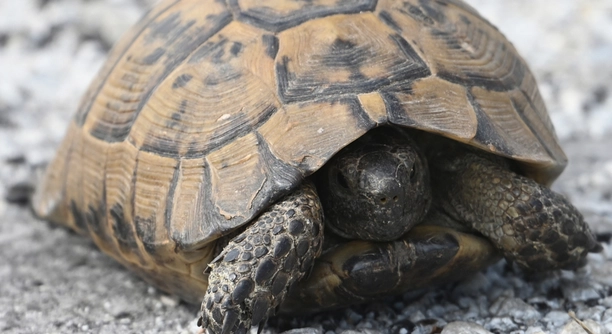
As the winter months approach, it’s essential to prepare your Russian tortoise for hibernation. This period requires careful attention to ensure that your pet remains healthy and safe during the colder season.
Russian tortoises typically begin preparing for hibernation when the temperature drops and daylight hours decrease. They may show signs of reduced activity, slower eating habits, and increased burrowing. These behaviors are natural indicators that they are ready for hibernation.
Understanding these signs will help ensure that your tortoise hibernates safely and comfortably throughout the season.
Signs Your Russian Tortoise Is Preparing for Hibernation
As the colder months approach, Russian tortoises start showing clear signs that they’re getting ready for hibernation. They may reduce their activity and start burrowing more. This behavior is natural and helps them conserve energy. Another indicator is a decrease in their appetite. When they eat less and seem more sluggish, it’s a signal that their body is preparing for the long rest ahead. These changes may happen gradually, so it’s important to observe your tortoise closely for any shifts in behavior.
Temperature plays a key role in this process. Tortoises rely on their environment to signal when it’s time to begin hibernation. If the temperature in their habitat consistently drops, they are more likely to slow down and begin to prepare. This instinct is critical for their survival.
Making sure their enclosure is appropriately cooled and ensuring they have a safe place to burrow are essential steps for a smooth hibernation experience. It’s vital to create a space where they can feel comfortable and secure during their dormant phase.
Preparing Your Russian Tortoise for Hibernation
Once you notice the signs that your tortoise is ready to hibernate, it’s important to begin preparations. Ensure the habitat is adjusted for cooler temperatures without being too extreme.
Start by reducing the temperature gradually. A decrease of around 10 degrees per week helps mimic the natural transition into colder seasons. Keeping the humidity levels controlled is also crucial. Too much moisture can cause issues, while too little can lead to dehydration. It’s best to provide a dry, safe area where your tortoise can burrow if it chooses to.
Before you let your tortoise hibernate, ensure that it has been eating a proper diet. A healthy tortoise will be better equipped to survive hibernation without complications. Avoid hibernating your tortoise if it appears ill or underweight, as this can lead to dangerous health issues during hibernation. Also, keep track of its weight before the cold months set in, as a gradual weight loss before hibernation is natural.
Monitoring Your Russian Tortoise During Hibernation
Once your tortoise begins hibernation, it’s important to monitor its condition. Checking its weight periodically will help you ensure it isn’t losing too much. A tortoise that is underweight or losing too much weight during hibernation may be at risk. If it becomes too light, it could signal a problem.
Temperature fluctuations are another factor to keep in mind. The temperature of its environment should remain consistent, as extreme changes can interrupt the hibernation process. If temperatures rise too much, it could cause your tortoise to awaken prematurely, affecting its health and the hibernation cycle.
Keep the habitat secure, as external disturbances can cause stress, which is detrimental to a tortoise in hibernation. A quiet, stable environment will encourage a smooth, uninterrupted hibernation. Check the space once or twice a week to ensure everything remains in order. Do not disturb it too often unless there’s a clear sign of distress.
Troubleshooting Hibernation Issues
If you notice signs of distress or a tortoise awakening early, take immediate action. It could mean that the environment isn’t right for hibernation. Ensure the temperature remains at an appropriate level, typically around 40-50°F, depending on the species. A rise in temperature could cause premature waking, which may leave your tortoise vulnerable.
Sometimes, health problems may prevent your tortoise from entering or completing hibernation. If your tortoise loses too much weight or shows signs of dehydration, it’s essential to intervene. Bring it to a reptile veterinarian who can assess the situation and provide treatment if necessary. Reptiles have slow metabolisms, and small issues can escalate if not addressed quickly.
In the case of hibernation disruption, ensure that your tortoise has access to water and is eating properly. Offering a well-balanced diet before hibernation helps maintain their strength, but making sure they get enough hydration during their rest is also key. Without proper care, the process could lead to serious health complications.
Reawakening Your Russian Tortoise
If your tortoise awakens from hibernation early or needs to be roused, it’s essential to do so gradually. Slowly raise the temperature of its environment to encourage a slow return to normal activity. A sudden change can shock its system.
Once it begins to wake up, allow your tortoise time to adjust before offering food. It may take a few days for its metabolism to get back to its usual pace. Start by providing water and a small amount of food.
It’s important to keep the lighting conditions correct as well. Tortoises require exposure to UVB light to stimulate their appetite and support their digestion. Gradually reintroducing these conditions will help ease the transition back to normal life.
How Long Should Your Russian Tortoise Hibernate?
The length of time your tortoise should hibernate largely depends on its age, size, and overall health. Typically, a healthy adult tortoise can hibernate for around 2-3 months. If the tortoise is young or unhealthy, it’s best to shorten the hibernation period to avoid any risks.
Potential Health Risks During Hibernation
Hibernation can pose risks if not properly managed. The most common issues include dehydration and weight loss. If the tortoise isn’t monitored closely, these issues can quickly worsen. It’s important to regularly check its condition and adjust its environment as needed to maintain its health throughout the hibernation period.
FAQ
How do I know if my Russian tortoise is ready to hibernate?
Your Russian tortoise is likely ready to hibernate when it shows signs of reduced activity, decreased appetite, and increased burrowing. The cooler temperatures and shorter days signal to your tortoise that it’s time to prepare for hibernation. Make sure it’s healthy before starting this process, as weak tortoises may struggle during hibernation.
Can my Russian tortoise hibernate too early?
Yes, hibernation can begin too early if the environmental temperatures drop suddenly or if your tortoise is not fully prepared. It’s important to monitor your tortoise’s weight and overall health before allowing it to enter hibernation. Ensure it has enough energy reserves and is in a healthy condition to withstand the rest period.
What temperature is best for a Russian tortoise’s hibernation?
The ideal temperature for hibernation is between 40-50°F (4-10°C). Too high a temperature can cause the tortoise to wake up prematurely, while too low a temperature can put it into a state of stress. Ensure the environment is stable and not subject to sudden changes in temperature.
How long should my Russian tortoise hibernate?
A typical hibernation period for a healthy adult Russian tortoise is around 2-3 months. Younger tortoises may not need as long, and if they are underweight or unhealthy, a shorter period of hibernation is better. Always consider the tortoise’s size, age, and health before determining the length.
What should I do if my Russian tortoise is waking up during hibernation?
If your tortoise starts to wake up prematurely, check the temperature of its environment. It could be getting too warm, which might cause early arousal. Gradually reduce the temperature to encourage it to go back into hibernation. Make sure the habitat remains cool, calm, and undisturbed during this period.
Can I feed my tortoise while it’s hibernating?
No, tortoises do not eat during hibernation. Their metabolism slows significantly, and they do not require food. Offering food can cause digestive issues or stress. It’s crucial to ensure they are well-fed and hydrated before entering hibernation. If you notice any unusual activity or signs of malnutrition, it’s best to consult a vet.
How can I ensure my Russian tortoise stays healthy during hibernation?
To ensure your tortoise stays healthy, keep its habitat temperature consistent and avoid disturbances. Regularly check its weight and condition. Before hibernation, ensure it has had a balanced diet and is hydrated. If any issues arise during hibernation, consider waking your tortoise up to assess its health.
What happens if my Russian tortoise doesn’t hibernate?
If your tortoise doesn’t hibernate, it can still survive, but it may exhibit behavioral changes, such as increased activity or stress. Not hibernating can also affect its metabolic health over time. Tortoises hibernate in the wild as a natural way to conserve energy during the colder months. You should provide an environment that mimics natural seasonal changes for its well-being.
How do I prepare my Russian tortoise’s habitat for hibernation?
To prepare, reduce the temperature of its habitat gradually, making sure it stays between 40-50°F. Ensure that the space is quiet, dark, and secure. Provide a hiding space for the tortoise to burrow in, which simulates the natural conditions of hibernation. Avoid handling or disturbing your tortoise too much during this time.
Can I let my Russian tortoise hibernate outside?
It’s not recommended to hibernate your tortoise outside unless you live in a region with very mild winters. Outdoor hibernation can expose the tortoise to extreme weather conditions and predators. If you decide to hibernate it outside, ensure the space is insulated and safe from environmental hazards.
What are the signs that my Russian tortoise is unhealthy during hibernation?
Signs of poor health during hibernation include significant weight loss, lethargy, or visible dehydration. If your tortoise is unusually light or has sunken eyes, it may require immediate medical attention. Be sure to monitor its condition closely, and if any concerns arise, consult a vet promptly.
Should I wake my tortoise up if it’s not eating before hibernation?
If your tortoise is not eating before hibernation, it’s important to evaluate its health. While reduced appetite is common before hibernation, a complete refusal to eat may signal an underlying issue. If this happens, consider delaying hibernation and taking your tortoise to a vet for a check-up.
What should I do if my Russian tortoise stops breathing during hibernation?
If your tortoise stops breathing or appears to be struggling, you should wake it up immediately and raise the environmental temperature. Keep it in a warm, stable environment and ensure it’s hydrated. If this happens, it’s crucial to consult a vet to rule out any health complications that could affect its hibernation.
Can I put my Russian tortoise in the fridge to hibernate?
While some people use a refrigerator to simulate the winter environment, it’s not recommended unless you have prior experience. The temperature must be carefully controlled, and the tortoise should be monitored. If you choose this method, ensure the fridge remains at a steady 40-50°F and that the tortoise is hydrated before starting.
Final Thoughts
Hibernating your Russian tortoise is a natural process that helps it conserve energy during colder months. However, it’s crucial to ensure it’s healthy before allowing it to enter hibernation. The tortoise should have proper weight, hydration, and overall good health. Monitoring its condition before and during hibernation will help prevent any unnecessary risks. A slow, controlled transition into hibernation ensures that your tortoise remains safe and comfortable.
Temperature control plays an important role in the hibernation process. Keep the environment cool but stable, as extreme fluctuations can stress your tortoise. A consistent temperature between 40-50°F is ideal. Sudden changes can disrupt its ability to hibernate properly, so maintaining steady conditions is key. It’s also essential to provide a quiet, dark place for your tortoise to burrow, mimicking its natural habitat.
After hibernation, a gradual reawakening is necessary. Once the tortoise begins to stir, allow it time to adjust before offering food. The process should be slow, ensuring that its metabolism gradually returns to normal. With proper care before, during, and after hibernation, your Russian tortoise can safely complete this natural cycle, promoting long-term health. Regularly checking on its condition throughout the hibernation period will give you peace of mind and ensure its well-being.

Hello,
If you enjoy the content that we create, please consider saying a "Thank You!" by leaving a tip.
Every little bit helps us continue crafting quality advice that supports the health, happiness, and well-being of pets around the world, for pets of all shapes, sizes, and species.
We really appreciate the kindness and support that you show us!