
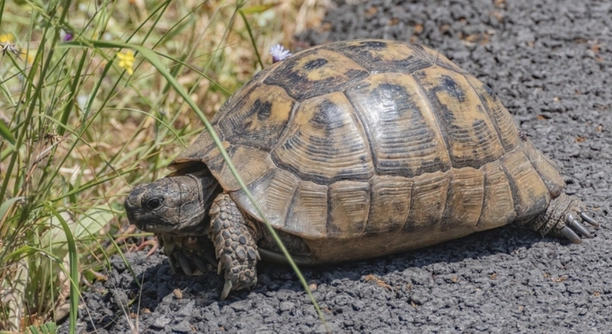
Russian tortoises, like all pets, can experience anxiety. As a pet owner, understanding their needs and emotions is key to keeping them comfortable and healthy. Recognizing when your tortoise is feeling anxious will help you provide the right care and environment.
An anxious Russian tortoise will often exhibit signs such as hiding, not eating, excessive pacing, or showing a lack of interest in its surroundings. Identifying these behaviors early can help prevent stress and ensure your tortoise remains healthy and comfortable.
Knowing how to spot anxiety signs in your tortoise helps create a stress-free environment. There are simple changes you can make to ease their discomfort and help them feel more secure.
Signs Your Russian Tortoise Is Feeling Anxious
Russian tortoises may not always show obvious signs of stress, but there are a few behaviors to watch for. One of the most common signs is hiding. When stressed, they will retreat to a corner of their habitat or burrow more frequently than usual. An anxious tortoise may also pace back and forth, a sign they are uncomfortable or feeling trapped. You may notice your tortoise eating less or not showing interest in its food, which can be a clear indication that something is off. Other behaviors, like acting more withdrawn or becoming more aggressive when handled, are also signs of anxiety.
If you observe your tortoise displaying any of these behaviors, it’s important to address the situation quickly. Stress can have long-term health effects on tortoises, making it crucial to ensure they feel safe in their environment. Small changes, like altering their habitat, offering more hiding spots, or adjusting their diet, can make a big difference in their comfort.
Recognizing these signs early will help you support your tortoise’s well-being and reduce any negative impact on its health.
Common Causes of Anxiety in Russian Tortoises
Diet is one of the main causes of stress in tortoises. If they are not eating the right food or if their diet is inconsistent, it can lead to discomfort and anxiety. Another common cause is environmental factors. A change in their habitat or temperature fluctuations can be stressful.
Russian tortoises also rely on a consistent routine for security. Any sudden changes, such as new pets or loud noises, can cause anxiety. Their natural instinct is to seek stability, and anything that disrupts this can lead to behavioral issues. Regularly changing their environment or handling them too often can create uncertainty and make them feel unsafe.
Providing a consistent, quiet, and comfortable environment will greatly reduce your tortoise’s anxiety. Create a habitat that mimics their natural environment and include hiding spots to help them feel secure. Ensuring they have a balanced diet and are not frequently disturbed will help minimize stress.
How to Create a Comfortable Environment
A stable and comfortable environment is essential for a Russian tortoise’s well-being. Ensure their habitat is large enough to roam freely and provide areas to hide when they feel threatened. Maintain a consistent temperature and humidity level, as fluctuations can cause stress.
Proper lighting is also crucial for their health. Tortoises need UVB lighting to process calcium and maintain healthy bones. A consistent light schedule, mimicking natural daylight, will help your tortoise feel secure. Additionally, use natural materials like rocks and soil for bedding to give them a more natural and calming environment.
Be mindful of their space. Avoid overcrowding the enclosure or introducing too many changes. A peaceful, quiet environment with a good balance of warmth and light will help ease anxiety. The more you can mimic their natural surroundings, the better they’ll feel. Make small adjustments to improve their habitat and observe how your tortoise reacts.
The Role of Diet in Tortoise Anxiety
A well-balanced diet plays a significant role in reducing anxiety in Russian tortoises. If they aren’t getting the right nutrients, they may become lethargic or stressed. Ensure they have access to a variety of fresh vegetables, leafy greens, and safe grasses.
Feeding them consistently and avoiding abrupt changes in their diet is key. Sudden alterations can upset their digestive system, leading to discomfort. If your tortoise stops eating or seems uninterested in food, check for any environmental factors that could be stressing them out. Tortoises also benefit from occasional treats, like small amounts of fruit, but too many can cause digestive issues and stress.
Hydration is equally important. Always provide fresh water, as dehydration can lead to lethargy and other health problems. A proper diet, when combined with the right environmental factors, will help reduce anxiety and ensure your tortoise stays healthy and active.
Handling Your Russian Tortoise with Care
When handling your tortoise, always be gentle and calm. Sudden movements or rough handling can increase stress and make them anxious. Hold them securely but avoid gripping them too tightly. Let them explore your hands at their own pace, which will help them feel more in control.
Avoid picking them up too often. Russian tortoises are naturally shy creatures and may not appreciate being handled excessively. Allow them to roam freely in a safe, enclosed space instead. This can provide them with a sense of security and reduce the stress that comes with handling.
Monitor Changes in Behavior
Changes in your tortoise’s behavior can indicate anxiety or discomfort. If they start hiding more frequently or refuse to eat, these are signs that something might be wrong. Keeping a close eye on any shifts in their usual habits will help you address potential problems early.
If you notice any sudden changes, consider the environmental factors, diet, or how often they are being handled. Sometimes, small adjustments can improve their mood.
Dealing with Stressful Situations
Sometimes, external stressors like loud noises or the presence of other pets can affect your tortoise’s behavior. In these cases, creating a quiet, peaceful environment is essential. Keep their habitat in a quiet room away from distractions to help them feel safe and reduce anxiety.
FAQ
What are the common signs of an anxious Russian tortoise?
An anxious Russian tortoise may show a few common signs. They might hide more than usual, especially if they’re feeling unsafe. Pacing or repeatedly moving in one direction can also signal discomfort. If your tortoise is not eating or drinking, it may be stressed. Sometimes they become more aggressive when handled or may show reluctance to engage with their environment. Keep an eye on changes in behavior, as they are often the first indicators of anxiety in tortoises.
How can I reduce my Russian tortoise’s anxiety?
The first step to reducing anxiety is to provide a calm and stable environment. Ensure their enclosure is spacious enough for movement and has plenty of hiding spots. Keep the temperature and humidity levels consistent, as fluctuations can increase stress. Also, make sure they have proper lighting, including UVB rays, to mimic their natural habitat. A well-balanced diet and regular hydration are equally important. Limit handling and avoid sudden changes to their environment. If these factors are managed properly, it can make a big difference in reducing anxiety.
Is it normal for my tortoise to hide a lot?
Yes, hiding is a natural behavior for Russian tortoises, especially if they are feeling anxious. They seek out dark, quiet places to feel safe and secure. If your tortoise is hiding more than usual, it may be reacting to stress from its environment, diet, or handling. If the hiding becomes excessive or is accompanied by other signs like loss of appetite or pacing, it’s important to investigate the cause of the stress. Provide additional hiding spots or try to reduce stressors in their environment to help them feel secure again.
Can I put my tortoise outside to reduce anxiety?
If you have a safe, enclosed outdoor space, allowing your Russian tortoise to explore can help reduce anxiety. Many tortoises enjoy being outside as it offers them more space to roam, sunlight for natural UV exposure, and different textures to explore. However, you should always monitor them closely and make sure the area is escape-proof, free from predators, and has suitable shade and shelter. Also, avoid placing them in areas with heavy traffic or loud noises, as this can increase their stress levels.
How often should I handle my Russian tortoise?
You should avoid handling your tortoise too frequently, as they are naturally shy creatures. Handling them once a week is usually sufficient, and even then, be gentle and calm. Let them roam and explore their environment more often. Handling should only occur when necessary, and try not to disturb them during feeding or resting times. If they show signs of stress when being handled, it’s best to limit contact and give them time to relax.
What temperature should my Russian tortoise’s habitat be?
The ideal temperature for a Russian tortoise’s habitat is between 75°F and 85°F (24°C to 29°C) during the day. At night, the temperature can drop to around 65°F (18°C), but it should not go below 60°F (15°C). Using a basking light can help create a warm spot in their enclosure, which is essential for their digestion and overall health. It’s important to avoid sudden temperature fluctuations, as these can stress your tortoise.
What can I do if my tortoise stops eating?
If your tortoise refuses to eat, it may be due to stress, an unbalanced diet, or changes in its environment. First, ensure their habitat is comfortable and that their temperature and humidity levels are consistent. Offer a variety of fresh greens and safe vegetables to encourage eating. If the behavior continues for more than a couple of days, consider checking for any health issues, like digestive problems. It’s best to consult a vet if the lack of appetite persists.
Are Russian tortoises social animals?
Russian tortoises are generally solitary creatures and do not require social interaction to thrive. They can tolerate the presence of other tortoises, but they are not known for forming bonds like some other species. Too much interaction or forcing them into close quarters with another tortoise can lead to territorial behavior and stress. It’s best to keep them alone or with minimal interaction from other pets. Provide plenty of space and hiding spots for them to feel safe.
Can Russian tortoises suffer from separation anxiety?
Russian tortoises do not typically suffer from separation anxiety like some other pets, such as dogs or cats. However, if a tortoise is particularly attached to a specific environment or routine, changes in their surroundings can cause stress. For instance, moving them to a new enclosure or frequently changing their habitat can make them feel insecure. Stick to a consistent routine and environment to avoid unnecessary stress.
Should I be worried if my tortoise is constantly pacing?
Constant pacing is a common sign of anxiety in Russian tortoises. They may pace if they feel trapped, stressed, or bored. This could be due to an overcrowded habitat, a lack of space, or even boredom. To reduce pacing, provide more hiding spots, ensure there is enough room for them to move, and avoid overcrowding. Also, check the temperature and humidity levels to ensure they are not contributing to the stress.
Final Thoughts
Understanding and recognizing the signs of anxiety in your Russian tortoise is important for their well-being. These small, shy creatures rely on a stable environment to feel secure, and when something in their surroundings changes, it can cause them stress. Whether it’s due to a change in their habitat, diet, or routine, stress can negatively affect their health. By paying attention to their behavior, you can spot anxiety early and take action to help them feel more comfortable. Simple changes to their environment, like providing hiding spots or adjusting their lighting, can make a big difference in reducing anxiety.
Creating a calm and consistent environment is essential for your tortoise’s happiness. Ensure that their habitat is spacious, quiet, and has everything they need to feel safe. Proper lighting, temperature, and humidity are all factors that can impact their comfort. When you maintain a consistent routine and avoid sudden changes, your tortoise will feel more secure and less likely to experience anxiety. It’s also important to monitor their diet closely and ensure they are getting the right nutrients. A well-balanced diet, along with hydration, can help reduce stress and keep them healthy.
Lastly, be mindful of how often you handle your Russian tortoise. While it’s important to provide them with some social interaction, they are solitary creatures by nature. Excessive handling or introducing new pets and people can cause them to feel threatened or anxious. Limit handling and focus more on creating a peaceful environment where they can thrive. With proper care and attention, your tortoise will feel more relaxed, and you can enjoy watching them explore and thrive in their home.

Hello,
If you enjoy the content that we create, please consider saying a "Thank You!" by leaving a tip.
Every little bit helps us continue crafting quality advice that supports the health, happiness, and well-being of pets around the world, for pets of all shapes, sizes, and species.
We really appreciate the kindness and support that you show us!