
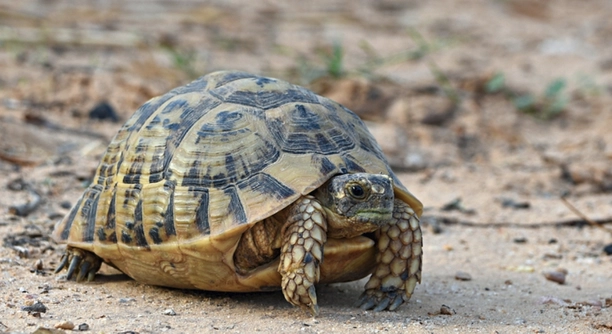
Is your Russian tortoise’s skin darker than usual? It can be concerning when you notice a change in their appearance. Skin color shifts in reptiles can often indicate various factors related to their health or environment.
The darker skin of your Russian tortoise may be due to stress, temperature fluctuations, or changes in diet. Environmental factors such as excessive sun exposure or lack of proper hydration can also contribute to this color change.
Understanding these changes can help you provide the best care for your tortoise. Keep reading to learn more about what might be causing the shift and how to address it.
Stress and Changes in Environment
One of the main reasons why your Russian tortoise’s skin might appear darker is stress. Reptiles, including tortoises, are sensitive to changes in their environment. A shift in habitat, handling, or other stressful factors can cause them to change color. This could be due to anything from loud noises to new surroundings, or even being overhandled. They may also darken when they feel threatened or insecure. If your tortoise is not in a familiar space or is being frequently disturbed, you might see a noticeable change in its skin.
Environmental stress can also stem from temperature fluctuations. Tortoises need a warm and consistent environment to stay comfortable. If their enclosure is too hot or too cold, it can cause stress, leading to changes in skin pigmentation. Make sure your tortoise has a temperature-controlled habitat to feel safe and healthy.
It’s important to monitor how your tortoise reacts to changes in its environment. A darker color could be a sign that your tortoise is not feeling settled. Adjusting its surroundings and ensuring its habitat is quiet and stable will help your tortoise feel more at ease.
Sun Exposure and Dehydration
If your tortoise is spending a lot of time in the sun, it could cause the skin to darken.
When a Russian tortoise is exposed to too much sun, it might overheat, and its skin can respond by becoming darker as a protective measure. Dehydration is another factor, as it can make their skin appear duller or darker than usual. Be sure to offer plenty of water and ensure the tortoise can get out of the sun if needed. Proper hydration is essential to prevent other health problems.
Diet and Health Considerations
Diet plays a significant role in the health and appearance of your Russian tortoise. A poor diet, lacking essential nutrients, can cause noticeable changes in skin color. Tortoises need a diet rich in fiber, calcium, and vitamins to maintain their well-being. Without the proper nutrition, their skin may become darker or less vibrant. Overfeeding certain foods like high-oxalate greens can also impact their skin, making it appear darker.
If your tortoise’s diet is inadequate, it could lead to other health problems beyond skin color changes. For instance, calcium deficiencies can result in weakened bones, and vitamin A deficiencies can cause issues with their immune system. Providing a balanced and varied diet can help keep your tortoise’s skin healthy and vibrant, along with improving their overall health. Keep track of what your tortoise is eating, and try to incorporate a mix of leafy greens, vegetables, and occasional fruits to ensure they get the nutrients they need.
Temperature and Humidity Issues
Changes in temperature can impact your tortoise’s skin color. If your tortoise is exposed to heat extremes, their body may respond by darkening to retain or shed heat. Too cold of an environment can also lead to stress, which may show through darker skin.
Maintaining a stable temperature range in your tortoise’s enclosure is vital. They need a basking area with temperatures around 95°F (35°C) and a cooler area of about 75°F (24°C). Additionally, humidity should be balanced; too dry or too moist of an environment can lead to skin changes, affecting their comfort and health.
You should regularly check your tortoise’s habitat to make sure the temperature and humidity are within the recommended range. Using a thermometer and hygrometer in the enclosure can help you maintain these conditions. Ensuring your tortoise has proper temperature gradients and humidity will help prevent unnecessary stress and skin discoloration, keeping them happy and healthy.
Health Problems and Skin Changes
Sometimes, a darker skin color can indicate a potential health issue. Infections, parasites, or even shell problems may show up as changes in skin color. These health conditions often require professional attention.
If your tortoise’s skin becomes darker suddenly or stays dark for an extended period, it might be a sign of a health issue that requires a vet’s input. Common conditions that may lead to darkened skin include shell rot or infections caused by bacteria or fungi. Tortoises that experience severe dehydration or nutritional deficiencies might also show similar skin changes. Keeping an eye on your tortoise’s overall behavior and health is important for early detection.
If you suspect an underlying health issue, it’s best to take your tortoise to a reptile vet. They can perform tests and provide treatments to get your tortoise back to health. Regular checkups can help catch problems early before they worsen.
Overexposure to Light
Extended exposure to bright light, especially artificial lighting, can cause your tortoise’s skin to darken. Tortoises need natural light to thrive, but too much artificial light can stress them.
Ensure that the light your tortoise is exposed to is balanced, not too intense or prolonged. Natural sunlight is best, but artificial lights should mimic the sun’s natural cycle. Keep the lighting in the enclosure set to around 12-14 hours of light each day.
Natural Aging Process
As your tortoise ages, its skin color may naturally darken. This is a normal part of growing older and isn’t usually a sign of illness or distress.
Older tortoises can show changes in their skin texture and pigmentation as they reach maturity. These changes are often gradual and harmless, but monitoring them ensures they remain healthy as they grow. Keep an eye on their overall condition.
Nutrient Deficiencies
Nutrient deficiencies, particularly a lack of calcium, can lead to changes in skin color. A lack of proper nutrients can negatively affect your tortoise’s overall health.
Make sure your tortoise has a well-balanced diet, including leafy greens, calcium supplements, and other vitamins to maintain healthy skin and shell.
FAQ
Why is my Russian tortoise’s skin darker after being outside?
When your Russian tortoise spends time outdoors, it is exposed to natural sunlight, which can cause its skin to darken. This is often a natural response to protect itself from UV rays. The color change may also be linked to temperature regulation; the darker skin absorbs more heat. As long as the exposure to sunlight is not excessive or leading to overheating, it should not be a cause for concern. However, always ensure that your tortoise has a shaded area to retreat to when needed.
Can dehydration make my tortoise’s skin darker?
Yes, dehydration can cause your tortoise’s skin to appear darker or duller. When a tortoise doesn’t get enough water, it may become stressed, and the skin can change color as a sign of that stress. Dehydration can lead to other health issues, so make sure your tortoise has access to fresh water at all times and is hydrated properly. If the skin stays dark or you notice other symptoms of dehydration like lethargy, it’s best to consult a vet.
What does it mean if my tortoise’s skin is darker after I moved it to a new enclosure?
A darker skin tone can be a response to stress when your tortoise is moved to a new enclosure. Tortoises are sensitive to changes in their environment, and a new habitat can cause anxiety. This might lead to darker skin, as the tortoise reacts to the unfamiliar surroundings. Ensure the new habitat is similar to its previous one in terms of temperature, lighting, and humidity to minimize stress. Over time, the skin should return to normal once your tortoise adjusts.
Is it normal for my tortoise’s skin to get darker in the winter?
Yes, it’s normal for your tortoise’s skin to darken during colder months. Tortoises often adjust their skin color based on environmental changes. When the temperature drops, they may darken their skin to absorb more heat, which helps them stay warm. However, if you notice persistent darkening or other signs of illness, it’s important to check their habitat conditions, as poor temperature control can stress your tortoise.
Can poor diet affect my tortoise’s skin color?
A poor diet can affect your tortoise’s health, including changes in skin color. If your tortoise isn’t getting enough of the right nutrients, especially vitamins and calcium, its skin may appear darker or duller. Make sure your tortoise’s diet includes a variety of leafy greens, vegetables, and occasional fruits. Supplementing with calcium and vitamin D3 can also help maintain healthy skin and overall well-being.
What should I do if my tortoise’s skin stays dark for an extended period?
If your tortoise’s skin remains darker than usual for an extended period, it may indicate an underlying issue. Stress, illness, or improper habitat conditions could be contributing factors. It’s important to assess the environment and diet first. If adjustments to temperature, humidity, and food don’t help, consider consulting a veterinarian for further diagnosis and treatment.
Can bacterial or fungal infections cause darkened skin?
Yes, bacterial and fungal infections can cause changes in your tortoise’s skin. These infections may lead to darker or patchy skin, sometimes accompanied by sores or scabbing. If you notice any abnormal changes in the skin or shell, such as discoloration, sores, or unusual behavior, it’s best to consult a reptile vet. Early treatment can prevent further complications.
How can I tell if my tortoise is stressed because of its environment?
Signs of stress in tortoises include changes in skin color, reduced activity, loss of appetite, or hiding more than usual. Stress can be caused by various factors, such as overcrowding, improper lighting, temperature imbalances, or being frequently handled. Pay attention to your tortoise’s behavior and adjust its habitat to ensure it is comfortable and secure. A stable and quiet environment can help reduce stress and prevent further changes in skin color.
Should I be concerned if my tortoise is darker during shedding?
It’s normal for your tortoise to appear darker while it is shedding. Shedding is a regular process for tortoises, and the skin may darken temporarily as they prepare to shed old skin. Once the shedding process is complete, your tortoise’s skin should return to its usual color. However, if the skin remains dark for a prolonged period or if there are other signs of infection or illness, seek advice from a vet.
How can I help my tortoise if its skin color is due to temperature stress?
If your tortoise’s dark skin is due to temperature stress, it’s crucial to correct the temperature in its enclosure. Ensure that there is a proper temperature gradient, with a basking area between 90°F and 95°F (32°C to 35°C) and a cooler area around 75°F (24°C). Avoid exposing your tortoise to extreme temperatures or sudden fluctuations. Additionally, provide a humidity-controlled environment to keep your tortoise comfortable. Monitoring these conditions will help prevent further stress and skin color changes.
Final Thoughts
It’s important to understand that changes in your Russian tortoise’s skin color, such as it becoming darker, can be caused by a variety of factors. While it can be alarming to notice this change, most of the time it’s not something to panic about. It could simply be a response to stress, changes in the environment, or natural aging. However, it’s crucial to observe other signs that may indicate a problem, such as lethargy, loss of appetite, or skin lesions, which might suggest something more serious like an infection or dehydration.
Pay close attention to your tortoise’s habitat conditions. Temperature, humidity, and lighting play a significant role in how your tortoise feels and how it looks. A stable and well-maintained environment helps your tortoise stay healthy and stress-free. Providing a consistent temperature gradient, access to clean water, and proper UV light can prevent many of the issues that lead to darkened skin. If you move your tortoise to a new enclosure, take your time to adjust the conditions to ensure they’re just right, which will reduce any stress-related color changes.
If you notice that the darkening persists or your tortoise shows other concerning symptoms, it’s a good idea to consult a reptile vet. A professional can rule out any medical issues, such as infections or nutrient deficiencies, and help you address any underlying problems. Regular checkups and proper care will help your tortoise maintain a healthy, balanced life. Keep an eye on its behavior, diet, and surroundings, and you’ll be able to notice when something might be wrong before it becomes a bigger issue.

Hello,
If you enjoy the content that we create, please consider saying a "Thank You!" by leaving a tip.
Every little bit helps us continue crafting quality advice that supports the health, happiness, and well-being of pets around the world, for pets of all shapes, sizes, and species.
We really appreciate the kindness and support that you show us!