
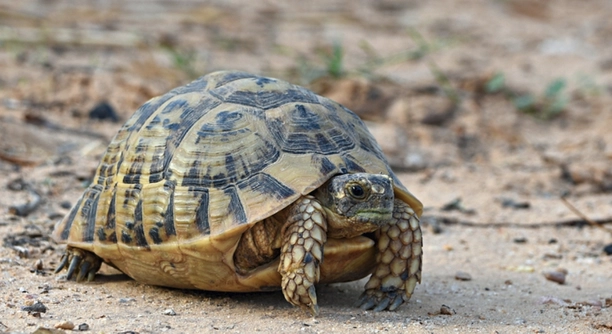
Russian tortoises are curious creatures, and their behavior can sometimes be puzzling. One such behavior is when they scrape their heads against the floor. If you’re wondering why this happens, you’re not alone.
Head scraping in Russian tortoises is often a sign of stress, discomfort, or frustration. It may occur due to environmental factors like improper humidity, temperature, or a lack of space. It can also indicate health concerns.
This behavior could be linked to several underlying causes that need attention. In the following sections, we’ll explore how to address these issues and help your tortoise feel more comfortable in its environment.
Possible Causes of Head Scraping in Russian Tortoises
Head scraping can be linked to several factors, with the most common ones being stress and discomfort. Tortoises are sensitive to their environment, and any changes in temperature or humidity can cause them to feel unsettled. If their habitat is too hot or too cold, or if there’s a lack of proper humidity, this can lead to behaviors like head scraping. Additionally, overcrowded spaces or small enclosures can increase stress levels. These are all factors that could make your tortoise try to scrape its head to release built-up tension or to find a better position.
However, stress isn’t the only factor at play. Illness or injury could also lead to this behavior. If your tortoise is scraping its head more frequently or showing signs of lethargy or abnormal behavior, it’s essential to consider medical causes. An infected eye, an issue with its shell, or internal parasites can cause discomfort that results in this scraping.
How to Assess Your Tortoise’s Environment
When evaluating your tortoise’s habitat, check for temperature and humidity issues. These should be consistent with the species’ needs. Make sure the enclosure is large enough for your tortoise to roam around and stretch its legs.
Temperature should range from 75-85°F (24-29°C) during the day, with a basking spot of 90-95°F (32-35°C). Nighttime temperatures can be slightly cooler, around 65-70°F (18-21°C). Humidity should be kept between 40-60%. A hygrometer and thermometer can help you monitor these levels. Additionally, ensure there are hiding spots, rocks, and other structures that allow your tortoise to feel secure.
Health Concerns That Might Lead to Head Scraping
If you’ve checked the environment and still see your tortoise scraping its head, it could be due to a health problem. Issues like respiratory infections or shell injuries can cause discomfort, prompting your tortoise to act in strange ways. A common problem is shell rot, which can happen when moisture builds up in the shell and causes damage. If the tortoise feels pain or irritation, it might start scraping its head against the ground to alleviate the pressure or discomfort.
It’s also possible that an internal infection or parasites are affecting your tortoise’s behavior. These conditions often cause lethargy, loss of appetite, and odd movements. If head scraping continues despite adjusting the habitat, a visit to the vet is essential to rule out any medical issues.
How to Address Scraping Behavior
After ensuring the environment is ideal, you’ll want to keep an eye on your tortoise for any signs of illness. If it continues scraping or shows other signs of distress, consult a vet. Early intervention can prevent further complications and ensure your tortoise remains healthy.
Understanding Tortoise Behavior
Tortoises communicate through their actions, and head scraping could be their way of showing they’re feeling uneasy. When a tortoise scrapes its head, it’s often trying to alleviate discomfort or find a more comfortable position. Over time, this behavior may become habitual, making it important to address the root cause.
The scraping behavior might also indicate boredom or a need for stimulation. Tortoises are naturally curious animals, and when they feel like they’re stuck in a monotonous environment, they may act out. Providing different textures, hiding spots, or objects to climb on could help keep their minds active.
Regular interaction and environmental enrichment are key to preventing behavioral issues in tortoises. Even though they are solitary by nature, a lack of change in their surroundings could lead to stress. Tortoises are active creatures, and offering them safe spaces to explore can reduce their need for scraping.
Checking for Other Physical Symptoms
When head scraping is accompanied by other physical symptoms, it could signal something more serious than environmental stress. Keep an eye out for signs like wheezing, nasal discharge, or changes in appetite. These could point to respiratory infections or other illnesses.
If your tortoise is also avoiding food or seems lethargic, it’s a red flag that something might be wrong. Head scraping in this case could be an attempt to relieve pain or discomfort. A thorough checkup with a vet will help pinpoint any potential health issues before they worsen.
Proper observation can make a big difference in diagnosing underlying health problems. If the scraping continues along with symptoms like swelling or visible injury, it’s crucial to seek professional help immediately. Early treatment can ensure that your tortoise remains comfortable and recovers quickly.
The Role of Diet in Head Scraping
Diet plays an important role in your tortoise’s overall well-being. Poor nutrition can contribute to health problems that lead to unusual behaviors, such as head scraping. A lack of key nutrients can affect your tortoise’s energy levels and mood.
Make sure your tortoise is getting a balanced diet that includes leafy greens, vegetables, and occasional fruits. You should also provide calcium supplements to support shell and bone health. A poor diet can lead to soft shell conditions or even metabolic bone disease, which can cause discomfort. This discomfort may trigger scraping behaviors as the tortoise tries to alleviate pain.
The Importance of Regular Habitat Cleaning
Keeping your tortoise’s habitat clean is crucial for its health. Dirty environments can lead to infections, irritation, and stress. Scraping behaviors could increase if your tortoise is exposed to unclean conditions, including stagnant water, mold, or soiled bedding.
Make sure to spot clean the enclosure daily, removing waste and uneaten food. A thorough cleaning should be done weekly, using safe, non-toxic cleaners to disinfect the area. Clean water should always be available. A well-maintained space can improve your tortoise’s comfort and reduce unwanted behaviors.
The Need for Proper Lighting
Tortoises require proper lighting to stay healthy. If they don’t have access to adequate UVB lighting, they may develop shell issues or metabolic problems, which could lead to abnormal behaviors like head scraping. UVB helps them absorb calcium and promotes good bone health.
Set up a UVB light in the enclosure to mimic natural sunlight. Make sure the light is replaced every six months, as its effectiveness decreases over time. A proper light cycle, with 10-12 hours of daylight and darkness, will help keep your tortoise’s circadian rhythm in check and promote overall well-being.
FAQ
Why does my Russian tortoise scratch its head?
Head scratching in Russian tortoises often happens due to environmental stress, discomfort, or health problems. Factors like improper temperature, humidity, or a small enclosure can contribute to this behavior. Scratching may also be a response to pain, boredom, or irritation caused by an injury or illness.
What is the best temperature for my tortoise’s habitat?
Russian tortoises thrive in temperatures ranging from 75°F to 85°F (24°C to 29°C) during the day. The basking area should be warmer, around 90°F to 95°F (32°C to 35°C). At night, temperatures can drop to 65°F to 70°F (18°C to 21°C). Consistent temperature regulation is essential for their health and comfort.
Can poor diet cause head scraping?
Yes, poor nutrition can contribute to discomfort and lead to behaviors like head scraping. A diet lacking essential nutrients, especially calcium, can lead to shell deformities or metabolic bone disease, which causes pain. Be sure to provide a balanced diet with leafy greens, vegetables, and occasional fruits. Calcium supplementation is also important.
How often should I clean my tortoise’s habitat?
You should clean your tortoise’s habitat daily, removing waste, uneaten food, and soiled bedding. A deeper cleaning should be done weekly to disinfect the entire enclosure, including any furniture and water dishes. Keeping the environment clean reduces the chances of infections or stress, which can lead to head scraping.
What type of lighting does my tortoise need?
Tortoises require UVB lighting to maintain proper calcium absorption and bone health. The UVB light should be placed in the enclosure and provide 10 to 12 hours of light daily. Make sure to replace the UVB bulb every six months, as its effectiveness diminishes over time. Proper lighting is crucial for their overall health.
Can stress cause head scratching?
Yes, stress is one of the most common reasons for head scratching. Tortoises can become stressed if their environment is too small, too hot or cold, or if they don’t have enough hiding spaces. Overcrowding or lack of stimulation can also increase stress levels. Managing the environment and offering enrichment can help reduce stress.
How can I reduce my tortoise’s stress?
To reduce stress, provide a proper habitat with sufficient space, hiding spots, and climbing structures. Make sure the temperature and humidity are appropriate. Regular interaction with your tortoise is also helpful, though they are solitary by nature. Offering new textures and objects to explore can alleviate boredom and decrease stress.
What should I do if my tortoise stops eating?
A lack of appetite can be a sign of illness or environmental stress. Check if the temperature, humidity, and lighting are correct. If the conditions are fine, the issue could be a health problem, such as a respiratory infection or parasites. If your tortoise continues to refuse food, consult a veterinarian for diagnosis and treatment.
Is it normal for my tortoise to be active at night?
Russian tortoises are diurnal, meaning they are most active during the day. If your tortoise is active at night, it could be due to improper lighting or environmental factors affecting its sleep cycle. Ensure the light cycle in the enclosure mimics natural day and night patterns to support your tortoise’s circadian rhythm.
How can I tell if my tortoise has a respiratory infection?
Signs of a respiratory infection in tortoises include wheezing, nasal discharge, and labored breathing. If your tortoise is exhibiting these symptoms along with head scratching, it may be experiencing discomfort due to illness. Respiratory infections should be addressed promptly with veterinary care to avoid serious complications.
Should I take my tortoise to the vet if it keeps scratching its head?
If your tortoise is consistently scratching its head and you have ruled out environmental factors, it’s a good idea to consult a veterinarian. A persistent behavior may signal a health issue that requires medical attention. A vet will be able to diagnose the problem and recommend appropriate treatment.
Can my tortoise get shell rot?
Yes, shell rot is a common issue in tortoises, often caused by improper humidity levels or exposure to unsanitary conditions. It can lead to infection and discomfort, which might cause head scratching. Regularly inspect your tortoise’s shell for any soft spots, discoloration, or foul odor. If shell rot is suspected, consult a vet immediately.
How can I improve my tortoise’s diet?
To improve your tortoise’s diet, offer a variety of leafy greens such as collard greens, dandelion greens, and mustard greens. Include vegetables like carrots, zucchini, and bell peppers. Limit fruits to occasional treats. Make sure to provide calcium supplements, especially if your tortoise isn’t getting enough from its food. Avoid feeding them high-protein or high-fat foods.
Can a tortoise’s behavior change as it gets older?
Yes, as tortoises age, their behavior can change. They may become less active or more sedentary, and their dietary needs may shift. Older tortoises might also develop health issues that affect their behavior, such as joint problems or metabolic bone disease. Monitoring your tortoise’s health closely as it ages is essential.
Do tortoises need water to drink?
Yes, tortoises need fresh water available at all times. They drink regularly to stay hydrated, and some species also soak in water to help with digestion. Be sure to provide a shallow water dish that is large enough for your tortoise to soak in if needed, but shallow enough to prevent drowning.
What is the best way to handle my tortoise?
Handling your tortoise should be done gently and minimally. Tortoises are not typically affectionate like other pets, and too much handling can stress them out. If you need to move your tortoise, pick it up carefully by supporting its body. Avoid picking it up by the shell or tail, as it can cause injury.
Can head scratching be a sign of dehydration?
Dehydration can cause discomfort and might lead to behaviors like head scratching. Ensure your tortoise always has access to fresh water and that it is hydrated properly. If you suspect dehydration, offer your tortoise a shallow soak in lukewarm water for 15 to 20 minutes to help rehydrate it.
Final Thoughts
Head scratching in Russian tortoises is a behavior that can be caused by several factors, such as stress, discomfort, or health problems. It’s essential to first evaluate the environment your tortoise is living in. Make sure the temperature, humidity, and space are all appropriate. A tortoise can feel stressed if these factors are off, leading to behaviors like head scratching. It’s important to ensure that the enclosure is large enough for your tortoise to move around freely and that it has hiding spots and objects to climb on. Regularly checking and maintaining the habitat will help keep your tortoise comfortable and reduce unnecessary behaviors.
If the environment checks out and your tortoise continues to scratch its head, it might be a sign of health issues. Illnesses like respiratory infections or shell problems can cause pain, which may lead to scratching. It’s crucial to keep an eye on any other symptoms that might appear, such as lethargy, changes in appetite, or difficulty breathing. If your tortoise shows any of these signs, a visit to the vet is recommended to ensure it gets the proper care. Diagnosing the issue early can help prevent more serious complications and help your tortoise recover faster.
While environmental stress and health issues are the most common reasons for head scratching, other factors like diet and lighting can also play a role. Proper lighting, including UVB light, is necessary for your tortoise to maintain good bone health and overall well-being. A balanced diet, with the right amount of calcium and vitamins, is equally important. Keeping your tortoise’s habitat clean and offering a variety of textures to explore can also help reduce stress and boredom. By paying attention to these factors, you can create a healthier environment for your tortoise and ensure that its head scratching behavior is addressed.

Hello,
If you enjoy the content that we create, please consider saying a "Thank You!" by leaving a tip.
Every little bit helps us continue crafting quality advice that supports the health, happiness, and well-being of pets around the world, for pets of all shapes, sizes, and species.
We really appreciate the kindness and support that you show us!