
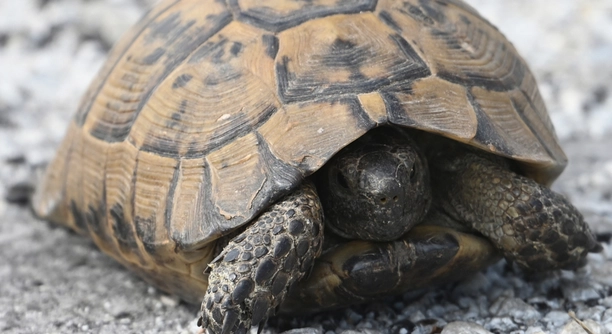
Russian tortoises can be sweet and calm pets, but sometimes they may bite your fingers. This behavior can be surprising and even painful, leaving you wondering how to handle it. Luckily, it’s a fixable issue.
To prevent your Russian tortoise from biting your fingers, start by identifying the causes. Tortoises may bite due to hunger, curiosity, or territorial behavior. Offering food, being gentle, and avoiding sudden movements can help discourage this behavior.
Understanding your tortoise’s behavior and making simple adjustments can go a long way. With a little patience and care, you can prevent those painful bites.
Why Do Russian Tortoises Bite?
Russian tortoises may bite for a variety of reasons. One common reason is that they confuse fingers with food, especially when they are hungry or not accustomed to your presence. Their natural instinct is to search for food by nibbling at anything within reach. Another reason could be curiosity; they may simply explore with their mouths as they would in the wild. Additionally, some tortoises bite because they feel threatened or anxious. They may not have had enough time to adjust to their new environment, leading them to act defensively. Over time, if these behaviors aren’t addressed, they can become more frequent.
Biting can also be a form of territorial behavior. If your tortoise is not used to sharing its space with you, it might try to assert dominance or warn you to stay away.
Managing biting behavior involves ensuring your tortoise feels secure and well-fed. Also, gentle interactions, without overwhelming your pet, can help minimize this behavior.
How to Stop Biting Behavior
First, make sure your tortoise is well-fed. Offer fresh vegetables, leafy greens, and other foods to satisfy its hunger. This will help reduce food-related biting.
If your tortoise still tries to bite, be patient. Avoid sudden movements that could alarm it. Try using calm, consistent handling and giving it time to become accustomed to your presence. Some tortoises simply need more time to trust you.
Another key factor is making sure your tortoise’s living space is large enough and safe. A cramped or stressful environment can contribute to biting. Create a comfortable habitat with proper lighting, temperature, and hiding spots. This will help your tortoise feel secure and less likely to bite in self-defense. A well-adjusted tortoise is more likely to behave calmly, reducing the chances of a painful nibble.
Understanding Russian Tortoise Behavior
Russian tortoises are naturally cautious animals, and their behavior often reflects this. They don’t typically bite without reason, and most of the time it’s linked to hunger or a need for attention. They explore their environment by using their mouths, which can lead to unexpected biting. It’s also worth noting that younger tortoises are more likely to nip as they learn how to interact with their surroundings.
When they bite, they aren’t trying to be aggressive, but are often simply confused or curious. With time and proper handling, most tortoises adjust their behavior. Avoid getting frustrated if biting happens—it’s part of their natural learning process. Building trust and a consistent routine can help reduce biting over time.
Understanding why your tortoise bites is key to managing the behavior. It’s not always a sign of aggression, but rather a form of exploration. Paying attention to their needs and creating a calm, secure environment can lead to more positive interactions.
How to Handle a Russian Tortoise
Handling your Russian tortoise gently is crucial to reducing biting behavior. Sudden movements or grabbing them too quickly can startle them, leading to a defensive bite. Always approach your tortoise calmly and allow it to adjust to your presence. Hold your tortoise with both hands, supporting its body properly, so it feels secure.
If your tortoise bites during handling, remain calm and avoid pulling away quickly, as this can cause stress. Instead, slowly remove your fingers and give your tortoise some space. With consistent, gentle handling, your tortoise will begin to understand that you are not a threat. Over time, this will help minimize the chance of future biting.
Feeding Habits and Biting
Russian tortoises may bite if they are hungry and looking for food. They are known to nibble on anything within reach, including your fingers. Offering them a consistent feeding schedule helps reduce the chances of them mistaking your fingers for food. Fresh leafy greens, vegetables, and the right balance of nutrients are essential for their well-being.
Keeping your tortoise’s diet consistent will help prevent biting due to hunger. When they associate you with food, they are less likely to bite out of confusion. Always ensure you provide enough food during their feeding times, and never feed them by hand unless necessary.
Environmental Factors
A stressful or cramped environment can cause a tortoise to act defensively, sometimes leading to biting. Make sure your tortoise has enough space to move around freely. A large, comfortable habitat will help them feel more secure and less likely to bite.
Ensure that your tortoise’s environment is properly set up with the right temperature, humidity, and hiding places. Stress can result in both defensive and exploratory biting, so giving them a peaceful environment helps reduce this behavior.
The Importance of Patience
Biting behavior is common among tortoises, especially when they are adjusting to their environment or new owners. Be patient during this period and avoid punishing them for biting. Instead, focus on building trust and consistency.
With time, your tortoise will learn to associate you with safety and comfort. Gradually, they will become less likely to bite and more likely to interact calmly. Patience is key to fostering a long-term bond with your pet.
FAQ
Why does my Russian tortoise bite me?
Russian tortoises bite mainly out of curiosity, hunger, or territorial instincts. When they bite, they are often exploring their environment or searching for food. They may mistake your fingers for something to eat, especially if they are hungry or have not been fed on time. Some tortoises might also bite when they feel threatened or stressed. It’s important to understand that biting is a natural behavior, and most tortoises don’t bite out of aggression.
Can I stop my Russian tortoise from biting?
Yes, you can reduce biting behavior by addressing the causes. Ensuring your tortoise is well-fed and providing a calm environment is essential. If your tortoise bites during handling, try to approach slowly and gently. Avoid sudden movements or grabbing them too quickly, as this may startle them. Over time, as they become more accustomed to you, the biting should decrease. It may take patience, but most tortoises will stop biting once they feel safe and secure.
How do I handle a Russian tortoise without getting bitten?
To avoid being bitten, handle your tortoise gently and calmly. Always approach them slowly and avoid sudden movements that might scare them. When picking them up, support their body properly with both hands, ensuring they feel secure. Never try to grab them by the legs or shell. Make sure you don’t put your fingers too close to their mouth, especially when they are hungry. By building trust and handling your tortoise consistently, the likelihood of biting will decrease over time.
Do Russian tortoises bite hard?
Russian tortoises have relatively small mouths and aren’t capable of inflicting serious harm. However, their bites can be painful, especially if they are startled or feel threatened. While their bites are not typically dangerous, they can cause mild irritation or even break the skin if bitten forcefully. Even if the bite doesn’t break skin, it’s still important to address the behavior to prevent any discomfort for both you and your tortoise.
Is biting a sign of aggression in Russian tortoises?
Biting is generally not a sign of aggression in Russian tortoises. Most of the time, they bite out of curiosity, hunger, or stress rather than hostility. In the wild, tortoises often use their mouths to explore their surroundings or to compete for food. Biting might occur if they are adjusting to a new environment or unfamiliar people. It’s essential to differentiate between aggressive behavior and natural exploration. If a tortoise feels threatened or cornered, it might bite as a defense mechanism, but this is more about fear than aggression.
How can I prevent my Russian tortoise from biting when feeding?
When feeding your Russian tortoise, be sure to offer food in a calm and structured manner. Avoid feeding by hand unless necessary, as this can confuse them and lead them to associate your fingers with food. Instead, place food in their enclosure or a dish. If your tortoise continues to bite during feeding, try using tongs or tweezers to offer the food. This way, they can still get the food they want without confusing your fingers for their meal.
Does my Russian tortoise bite when stressed?
Yes, stress is a common cause of biting behavior in Russian tortoises. A tortoise that feels threatened or uneasy in its environment may bite as a defensive reaction. Stress can be caused by a variety of factors, such as improper habitat conditions (wrong temperature, humidity, or lighting), handling too frequently, or changes in their surroundings. To reduce stress, ensure your tortoise’s habitat is set up correctly and maintain a consistent routine. Additionally, try to limit handling during stressful periods, such as when your tortoise is adjusting to a new home.
How long will my Russian tortoise take to stop biting?
The amount of time it takes for a Russian tortoise to stop biting varies. It depends on factors like the tortoise’s age, temperament, and how well it adjusts to its environment. If the tortoise is young, it might take a few weeks to months for the biting to subside as it gets used to its new routine and surroundings. Adult tortoises may take longer if they are more set in their ways. Consistency, patience, and gentle handling will help speed up the process. Over time, your tortoise should become less inclined to bite as it grows more comfortable with you.
Should I punish my Russian tortoise for biting?
No, you should never punish your tortoise for biting. Punishment can make your tortoise more stressed, fearful, and less likely to trust you. Biting is a natural behavior, and it’s essential to address the underlying causes rather than resorting to negative reinforcement. Instead of punishment, focus on understanding your tortoise’s needs and building a positive relationship. Reward calm behavior, and be patient while the tortoise learns to associate you with safety and care.
Can Russian tortoises bite each other?
Yes, Russian tortoises can bite each other, especially if they are not housed properly or feel territorial. Male tortoises, in particular, may show aggressive behaviors toward each other during mating season. If multiple tortoises are kept together, ensure there is enough space and hiding spots to reduce territorial disputes. Monitor their interactions, and separate them if any fighting or biting occurs. With the right setup, tortoises can live together peacefully, but it’s important to ensure that their needs are met to prevent aggression.
Final Thoughts
Managing biting behavior in Russian tortoises takes patience and understanding. It’s important to recognize that biting is not usually a sign of aggression but rather a natural part of their behavior. Whether they bite out of curiosity, hunger, or stress, addressing the root causes can help reduce this behavior. Ensuring your tortoise has a comfortable environment and is well-fed plays a significant role in minimizing bites. When handled gently and calmly, tortoises can learn to trust their owners and stop biting over time.
Handling your tortoise with care is another key aspect of preventing bites. Tortoises are naturally cautious creatures, and sudden movements or rough handling can make them feel threatened. This may lead to defensive biting. By taking the time to learn how your tortoise reacts to certain situations and consistently providing a calm presence, you can encourage more positive interactions. Slowly building trust and offering food in a safe, predictable manner will help your tortoise understand that you are not a threat.
Remember, every tortoise is different, and some may take longer than others to adjust. If your tortoise continues to bite despite your efforts, it might be helpful to review its living conditions and daily routine. Sometimes stress from an overcrowded space or improper habitat setup can contribute to biting behavior. In these cases, making sure your tortoise’s environment is tailored to its needs can make a noticeable difference. With the right care, your tortoise will eventually feel comfortable and secure enough to stop biting.

Hello,
If you enjoy the content that we create, please consider saying a "Thank You!" by leaving a tip.
Every little bit helps us continue crafting quality advice that supports the health, happiness, and well-being of pets around the world, for pets of all shapes, sizes, and species.
We really appreciate the kindness and support that you show us!