
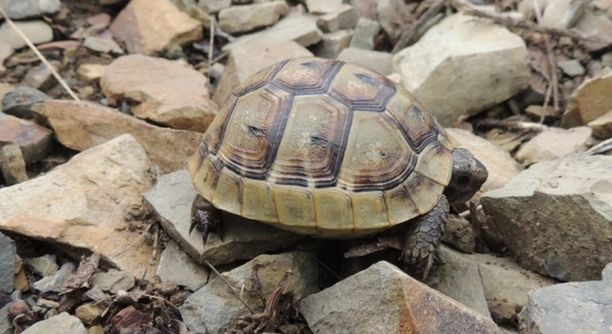
Russian tortoises are popular pets, but keeping them in a small apartment can present some unique challenges. If you live in a tight space, it’s important to provide a suitable environment that meets your tortoise’s needs.
To keep Russian tortoises in a small apartment, you need to create a habitat that is both safe and stimulating for them. Proper space management, a balanced diet, and temperature control are key factors to consider in maintaining their well-being.
By following a few simple tips, you can ensure that your Russian tortoise stays healthy and happy in your apartment. These easy adjustments will help create a comfortable home for your pet, no matter the size of your space.
Creating the Right Habitat for Your Russian Tortoise
In a small apartment, it’s essential to maximize the space you have for your tortoise’s enclosure. Russian tortoises require a lot of floor space to roam, so a larger, shallow enclosure is ideal. A standard 40-gallon tank can work, but providing extra space with a secure playpen is even better. This gives your tortoise room to move around, which is important for its health. Make sure the enclosure has a secure lid to prevent escapes. Russian tortoises are great climbers and can easily wander off if given the opportunity. Also, choose a substrate that retains moisture without being too wet, such as coconut coir or aspen shavings. The enclosure should also be easy to clean, so look for a design that allows for easy access.
For heating and lighting, use a UVB light to provide the necessary rays for calcium absorption, and a heat lamp to maintain a proper basking temperature. This setup ensures your tortoise thrives in a small apartment, while keeping the space safe.
Remember to place the enclosure in an area that doesn’t experience drafts, and avoid direct sunlight that might overheat your pet. Try to simulate natural conditions as best as you can.
Temperature and Humidity Control
Managing temperature and humidity is vital for a healthy tortoise.
Maintain a basking area temperature of around 95°F and an overall ambient temperature of about 75°F. A humidity level of 40-60% is ideal to prevent respiratory issues and shell problems.
A small apartment can have fluctuating temperatures, so be prepared to monitor your tortoise’s environment regularly. Humidity can be harder to control in small spaces, but using a simple hygrometer and misting the enclosure can help. Alternatively, you could add a humidifier if the air is too dry. Using heat mats can also aid in creating a warm environment, but be careful not to overheat any areas. Always provide cooler zones so your tortoise can regulate its body temperature naturally. A safe, warm environment helps your tortoise stay active and comfortable. It also promotes a healthy appetite and good shell development.
Feeding Your Russian Tortoise
Feeding a Russian tortoise in a small apartment is manageable with the right diet plan.
Russian tortoises are herbivores, so their diet should consist mainly of leafy greens and vegetables. Offer a variety of kale, dandelion greens, collard greens, and mustard greens. You can also include small amounts of other veggies, like carrots and bell peppers, for variety. Avoid feeding them fruits often, as it can upset their digestive system. Offering fresh food daily, while removing leftovers, helps maintain a clean environment.
To keep things simple, buy the vegetables you regularly use. Just be sure to wash them thoroughly to remove pesticides. It’s also important to add calcium supplements occasionally, as tortoises need calcium for strong bones and shells. Dust their food lightly with calcium powder to make sure they get the nutrients they need. Always have fresh water available, and change it daily to prevent bacteria buildup.
Enclosure Cleaning and Maintenance
Keeping your tortoise’s enclosure clean is crucial for its health.
It’s best to clean the enclosure once a week or more frequently if needed. Remove any uneaten food daily to prevent mold and bacteria growth. Scrub the water dish with soap and water to avoid algae buildup, and wipe down the enclosure walls regularly.
For deeper cleaning, remove the substrate and wash the entire enclosure with a mild disinfectant. Let it dry thoroughly before adding new bedding. Regular cleaning prevents odors and ensures your tortoise stays healthy by reducing the risk of infections or illnesses. While it may take some time, a clean space is essential for your pet’s well-being. Use a small vacuum or dustpan to remove debris from hard-to-reach corners. This will make the overall process easier and faster, helping to keep your tortoise’s home sanitary without a lot of effort.
Providing Enough Exercise Space
Even in a small apartment, it’s important to provide opportunities for your Russian tortoise to exercise.
A safe space outside of the enclosure allows them to explore and get the physical activity they need. You can use a playpen or a secure, enclosed area where they can roam freely.
Ensure that the space is tortoise-proofed, with no hazardous objects that could cause harm. Consider using soft mats for the floor to keep their feet comfortable. Set up areas with obstacles, such as small rocks or safe plants, to encourage natural behaviors like climbing. Regular exercise helps prevent obesity and promotes healthy shell growth. It also keeps your tortoise mentally stimulated and engaged.
Mental Stimulation
Russian tortoises are intelligent and benefit from activities that engage their minds.
Introducing toys like tunnels, small puzzles, or even a shallow water dish to encourage foraging can help.
Adding different textures in their environment, such as rocks or logs, helps with mental stimulation as well. It encourages them to explore and problem-solve. A change of scenery within their play area or enclosure is also good for preventing boredom. Regularly rearrange their space to maintain their curiosity. This will ensure your tortoise doesn’t become sluggish and retains its natural behaviors.
Socializing Your Tortoise
While Russian tortoises are not naturally social, they can still interact with their owners.
It’s important to handle them gently and frequently to build trust and comfort.
Spending time with your tortoise outside of its enclosure gives it a sense of security and connection with you. Be mindful of their body language to avoid stress. For example, if they retract into their shell, give them space. Over time, they can become more comfortable with regular interaction.
FAQ
How long do Russian tortoises live?
Russian tortoises can live up to 50 years, sometimes even longer if properly cared for. This long lifespan means they require a lot of attention and commitment. It’s important to be prepared for a long-term responsibility when bringing one into your home. Regular vet check-ups, a balanced diet, and a proper living environment will help ensure they live a long, healthy life.
What temperature does a Russian tortoise need?
Russian tortoises need a warm environment to thrive. The temperature in their basking area should be around 95°F (35°C), while the cooler areas of their enclosure can be kept around 75°F (24°C). A temperature gradient within the enclosure allows them to regulate their body temperature. Use a heat lamp to achieve the basking area temperature, but avoid overheating the enclosure. Always monitor the temperature with a thermometer to keep things within the safe range.
Do Russian tortoises need UVB light?
Yes, UVB light is essential for Russian tortoises. UVB helps them process calcium, which is crucial for healthy bones and a strong shell. Place a UVB bulb over the basking area in their enclosure. Be sure to change the bulb every 6-12 months because its effectiveness decreases over time, even if the light is still working. Natural sunlight can also provide UVB, but it’s often easier to use a UVB lamp for a consistent source of light.
What should I feed my Russian tortoise?
A healthy diet is crucial for your Russian tortoise’s well-being. Offer a variety of leafy greens such as dandelion greens, kale, collard greens, and mustard greens. You can also provide small amounts of vegetables like bell peppers, squash, and carrots. Avoid feeding them fruit frequently, as it can upset their digestive system. Fresh food should be given daily, and be sure to remove any leftovers to prevent bacteria buildup. Supplement their diet with calcium powder for stronger bones and a healthy shell.
Can I keep more than one Russian tortoise together?
While Russian tortoises are generally solitary animals, it is possible to keep them together if the space is large enough. However, it’s important to be aware that they can be territorial, especially males. They may become aggressive towards each other, especially during breeding season. If you do decide to house more than one, ensure there is enough space to minimize conflict. A divided enclosure can also help if you want to keep more than one tortoise but prevent any territorial disputes.
How do I know if my Russian tortoise is healthy?
A healthy Russian tortoise will have clear eyes, an active demeanor, and a smooth, firm shell. Check for any signs of abnormal behavior, such as lethargy or loss of appetite, which could indicate health issues. Also, look for any signs of respiratory problems, such as wheezing or nasal discharge. If your tortoise is regularly basking and eating, it’s likely in good health. Regular vet check-ups are also recommended to ensure everything is going well. If you notice anything unusual, don’t hesitate to consult with a vet.
Do Russian tortoises need a lot of space?
Russian tortoises are active animals, so they do require enough space to roam. In a small apartment, you’ll need to make sure their enclosure is large enough for them to move around comfortably. A 40-gallon tank is the minimum size, but a larger enclosure or a playpen can offer them more room. Having a larger space not only promotes physical activity but also helps to create a more stimulating environment. Make sure to keep the area safe and escape-proof, as these tortoises are good at climbing.
How do I keep the enclosure clean?
Cleaning your Russian tortoise’s enclosure is vital for maintaining its health. Remove uneaten food daily to prevent mold and bacteria. Once a week, clean the entire enclosure by removing old substrate, washing the walls, and scrubbing the water dish. Use a mild disinfectant to clean the surface, but avoid harsh chemicals that could harm your tortoise. After cleaning, allow everything to dry thoroughly before adding fresh bedding. Regular maintenance of the habitat keeps your tortoise safe and helps prevent health issues.
What kind of substrate is best for a Russian tortoise?
For Russian tortoises, the best substrate is one that mimics their natural environment. Coconut coir, aspen shavings, or a mix of sand and soil work well. The substrate should retain moisture but not be too wet, as excessive humidity can lead to respiratory issues. Avoid using cedar or pine bedding, as these can be harmful to tortoises. The bedding should be deep enough for burrowing and should be easy to clean regularly. A clean and comfortable substrate helps your tortoise feel at home and promotes its natural behaviors.
What size enclosure do I need for a Russian tortoise?
The size of the enclosure for a Russian tortoise depends on the age and size of the tortoise. For an adult, a 40-gallon tank is the minimum, but a larger enclosure or an outdoor pen is ideal if possible. As your tortoise grows, it’s important to provide enough space to allow for movement and exercise. For smaller tortoises, you can start with a smaller tank, but make sure to upgrade as they grow. An outdoor enclosure with access to fresh grass is great, as long as it’s secure and escape-proof.
Do Russian tortoises need a humid environment?
Russian tortoises prefer a relatively dry environment compared to other species. However, they still require some humidity to maintain healthy skin and shell. A humidity level of around 40-60% is ideal. If the air in your apartment is dry, you can increase the humidity by misting the enclosure or using a humidifier. Just be sure not to overdo it, as too much moisture can lead to respiratory issues. Monitor the humidity level regularly with a hygrometer to ensure it stays within a comfortable range for your tortoise.
Final Thoughts
Keeping a Russian tortoise in a small apartment can be challenging, but with the right care and setup, it is completely manageable. The key is to create a habitat that mimics their natural environment while keeping it safe and comfortable. Even in a small space, there are many ways to ensure that your tortoise has room to move, explore, and thrive. From providing proper lighting and temperature control to ensuring that their diet is balanced and nutritious, each step you take contributes to your tortoise’s well-being.
Regular attention to your tortoise’s health and environment is crucial. It may seem like a lot of work, but once you have a routine in place, caring for your tortoise becomes easier. The effort you put into creating a suitable living space and providing daily care will pay off with a healthy, happy tortoise that thrives for many years. Don’t forget to clean their enclosure regularly, monitor their health, and offer plenty of opportunities for mental stimulation. The bond you develop with your tortoise will also make the process more rewarding.
Overall, Russian tortoises are hardy creatures, but they require consistency and attention. With proper care, they will live long, healthy lives and bring joy to your home. By following the tips mentioned, you can provide a comfortable environment even in a small apartment. Their slow pace and unique personalities make them fascinating pets, and taking the time to meet their needs is well worth the effort.

Hello,
If you enjoy the content that we create, please consider saying a "Thank You!" by leaving a tip.
Every little bit helps us continue crafting quality advice that supports the health, happiness, and well-being of pets around the world, for pets of all shapes, sizes, and species.
We really appreciate the kindness and support that you show us!