
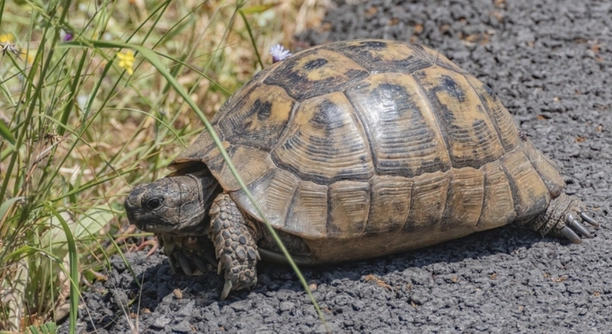
Russian tortoises are unique and fascinating pets, but caring for them involves attention to various details. One important aspect of their care is maintaining their beak health. Proper beak trimming ensures they can eat and live comfortably.
The most effective way to keep a Russian tortoise’s beak properly trimmed is by providing a well-balanced diet that naturally wears down the beak. In some cases, professional help may be needed to trim the beak if overgrowth occurs.
A little beak care can make a big difference in your tortoise’s well-being. Proper trimming helps avoid health problems and ensures they can eat and enjoy their life. Keep reading to learn more about how to manage this important task.
Importance of a Properly Trimmed Beak
A Russian tortoise’s beak can grow too long if not properly maintained. If overgrown, it can cause difficulty eating and might even lead to health issues. In nature, a tortoise’s diet helps wear down its beak naturally. When kept as pets, however, their diet and environment may not provide the right wear. This is where trimming becomes necessary to prevent problems. A tortoise’s beak should have a sharp, healthy shape to efficiently break down food.
Overgrown beaks may also cause the tortoise stress, leading to behavioral changes. They might stop eating or start having trouble with movement. Beak trimming is essential for keeping them healthy and content. It’s important to regularly inspect your tortoise’s beak to ensure it doesn’t need attention.
If you notice signs of an overgrown beak, don’t hesitate to take action. Seeking professional help can prevent long-term health problems. A well-maintained beak helps your tortoise live a more comfortable, stress-free life.
How Beak Overgrowth Happens
Beak overgrowth occurs due to a poor diet or lack of proper wear. In the wild, tortoises naturally wear down their beaks on hard foods or surfaces. However, a captive tortoise may not have the same opportunities.
If your tortoise’s environment lacks rough surfaces or the right foods, the beak may start growing uncontrollably. A diet lacking essential fiber or calcium may also contribute to the problem. Regular beak inspection can help detect overgrowth early and prevent complications.
Trimming the Beak
Trimming a tortoise’s beak is not something to take lightly. It requires precision and careful handling to avoid injury. If the beak has become overgrown, a professional should be contacted. An experienced veterinarian will have the tools and expertise to trim the beak properly.
If you prefer to do it yourself, it’s best to use a specialized beak clipper and follow safety protocols. Be cautious when handling the tortoise to avoid stress. Make sure to trim the beak slowly and little by little. If in doubt, consult a vet to ensure no harm is done. It’s critical to be gentle and avoid cutting too much, as the beak is sensitive. Taking these steps can help keep your tortoise in good health and reduce the need for future trims.
Signs Your Tortoise’s Beak Needs Attention
If your tortoise has difficulty eating or seems disinterested in food, an overgrown beak could be the cause. You may notice that the beak looks longer than usual or appears misshapen. In some cases, the beak may even start to curl. These signs indicate it’s time for attention.
A properly trimmed beak ensures your tortoise can eat comfortably and without pain. If you observe that food is not being consumed fully or there’s difficulty grasping food, it’s best to check the beak. Overgrowth can affect their ability to break down harder foods like vegetables or even pellets. Left untreated, this may lead to nutritional imbalances.
Sometimes, overgrown beaks may cause the tortoise to become stressed or lethargic. If this happens, it’s crucial to intervene and address the issue. Regularly check the condition of the beak as part of your tortoise’s overall health care routine.
The Role of Diet in Beak Maintenance
Diet plays a significant role in keeping your tortoise’s beak healthy. A balanced, fiber-rich diet can help wear down the beak naturally. Leafy greens, vegetables, and some hard foods will provide the necessary nutrients to prevent overgrowth.
Avoid feeding your tortoise soft foods exclusively, as this doesn’t provide enough resistance to wear down the beak. It’s important to incorporate rougher textures like hay, grasses, or even safe, chewable items to help manage beak health. These types of foods will allow your tortoise to naturally trim their beak without you needing to intervene too often.
If you’re unsure whether your tortoise’s diet is properly balanced, consult with a vet. They can provide valuable advice on the right food types and feeding schedules.
When to Seek Professional Help
If you’re not comfortable trimming the beak yourself or if the overgrowth is severe, it’s best to seek professional help. A vet with experience in reptile care can safely trim the beak and address any underlying issues. Regular check-ups help ensure the tortoise remains healthy.
Vets can provide advice on maintaining your tortoise’s beak and overall well-being. They may recommend specific dietary adjustments or changes to the environment that will help prevent future overgrowth. By keeping up with regular vet visits, you can catch any issues early before they become bigger problems.
Preventing Future Beak Issues
Maintaining a proper diet and ensuring your tortoise has access to rough surfaces can help prevent beak issues. You can place objects like rocks or safe, textured materials in the enclosure to help with natural beak wear. These actions can reduce the need for frequent trims.
FAQ
How often should I check my Russian tortoise’s beak?
It’s a good idea to check your tortoise’s beak every couple of weeks. Regular checks help you catch any early signs of overgrowth. If you notice that the beak is becoming longer or misshapen, you can take action sooner rather than later. Checking often ensures that any issues are dealt with before they affect your tortoise’s eating habits or overall health.
Can I trim my tortoise’s beak myself?
While it’s possible to trim your tortoise’s beak at home, it’s not recommended unless you have experience. Improper trimming can cause injury or stress to your tortoise. It’s better to consult with a vet, especially if you’re unsure how to handle the situation. If you decide to try trimming it yourself, use specialized tools and be very cautious. Start slow and make sure you’re not cutting too much at once.
What happens if I don’t trim my tortoise’s beak?
If you don’t trim your tortoise’s beak when needed, it can lead to eating difficulties. Overgrowth can cause the beak to interfere with food intake, making it difficult for your tortoise to break down and consume food properly. This can cause malnutrition and stress. In extreme cases, an overgrown beak may cause infection or other health problems. It’s essential to keep the beak maintained for their overall well-being.
What should I feed my tortoise to help maintain its beak?
A balanced diet is crucial for maintaining your tortoise’s beak health. Foods high in fiber, like grasses, leafy greens, and vegetables, help naturally wear down the beak. You should avoid feeding them mostly soft foods, as they don’t provide the resistance needed to wear the beak down. Offering foods like dandelion greens, hay, and even textured treats can aid in keeping the beak at a healthy length.
Can an overgrown beak cause my tortoise pain?
Yes, an overgrown beak can cause pain and discomfort. If the beak grows too long or becomes misshapen, it can prevent your tortoise from eating properly. This may cause stress, which can affect their behavior. It’s important to address overgrowth quickly to avoid making your tortoise uncomfortable or causing them unnecessary pain.
What signs should I look for if my tortoise’s beak is overgrown?
Signs of an overgrown beak include difficulty eating, the beak looking longer or curved, or even visible damage to the beak. If you notice that your tortoise is having trouble chewing or not eating as much as usual, it could be a sign of beak overgrowth. It’s essential to inspect their beak regularly to catch any issues early.
Is it okay for my tortoise to have a slightly overgrown beak?
A small amount of beak overgrowth can usually be managed through diet and natural wear. However, if the overgrowth is noticeable and affecting their ability to eat or causing discomfort, it should be addressed. Minor issues may not cause immediate problems, but it’s better to take action early to prevent further complications.
How can I prevent my tortoise’s beak from overgrowing?
Preventing beak overgrowth involves providing a healthy, fiber-rich diet and ensuring your tortoise has opportunities for natural beak wear. Offering rough surfaces in their environment, like rocks or textured materials, can help. Regularly checking their beak and providing proper food will help maintain it in good condition.
Can stress cause my tortoise’s beak to overgrow?
Stress can indirectly contribute to health issues in tortoises, but it’s not typically a direct cause of beak overgrowth. However, stress may affect their eating habits, which could lead to improper wear and eventual overgrowth. Providing a stable and safe environment can help reduce stress and keep your tortoise healthy overall.
When should I take my tortoise to the vet for beak trimming?
If you notice significant overgrowth or if your tortoise is having trouble eating, it’s time to take them to a vet. A professional can trim the beak safely and assess if there are any underlying issues. It’s always better to seek professional help when you’re unsure about the severity of the situation.
Final Thoughts
Taking care of a Russian tortoise includes ensuring their beak remains properly trimmed and healthy. A beak that is too long or misshapen can cause difficulty when eating, which can lead to malnutrition and other health problems. By keeping an eye on their beak and providing a balanced diet, you can help your tortoise avoid these issues. Regular checks and proper care ensure that your tortoise can eat comfortably and stay healthy for years to come.
It’s important to remember that trimming the beak is not a task to be taken lightly. If you are not confident about doing it yourself, it’s always better to seek professional help. A veterinarian with experience in reptile care can trim the beak safely and address any underlying problems. They can also guide you on how to prevent overgrowth and make dietary adjustments if needed. Keeping your tortoise’s beak healthy should be a part of regular health checkups to ensure they live a long, happy life.
In the end, caring for your tortoise’s beak isn’t just about preventing overgrowth. It’s about providing the right environment, food, and care so that they can live their best life. From proper diet and natural wear to seeking professional help when needed, all these aspects contribute to maintaining a healthy tortoise. By staying attentive and informed, you can help your Russian tortoise thrive in its home.

Hello,
If you enjoy the content that we create, please consider saying a "Thank You!" by leaving a tip.
Every little bit helps us continue crafting quality advice that supports the health, happiness, and well-being of pets around the world, for pets of all shapes, sizes, and species.
We really appreciate the kindness and support that you show us!