
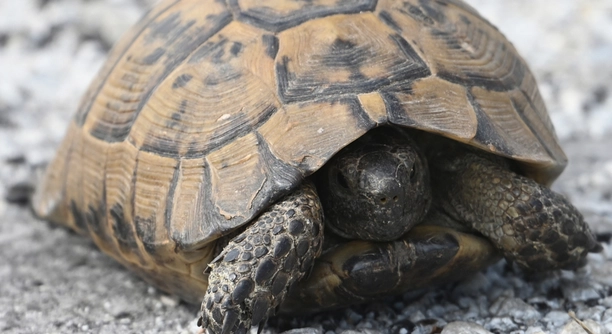
Are your Russian tortoise’s eyes watering more than usual, leaving you concerned about their health? Excessive eye watering can indicate an underlying issue, and understanding the possible causes is essential for keeping your pet comfortable and happy.
The most common reasons your Russian tortoise’s eyes keep watering include environmental factors, respiratory infections, vitamin deficiencies, and irritants like dust or poor-quality substrate. Identifying the cause early can prevent complications and ensure your tortoise stays in good health.
Various factors play a role in your tortoise’s eye health, from humidity levels to diet and enclosure cleanliness. Learning about these potential causes will help you take the right steps to support your pet’s well-being.
Improper Humidity Levels
Russian tortoises need a specific humidity range to stay healthy. If their enclosure is too dry, their eyes may become irritated, leading to excessive watering. On the other hand, high humidity can encourage bacterial growth, which may cause infections. Keeping their habitat within the recommended range of 40-50% humidity helps prevent these issues. Using a hygrometer can help you monitor and maintain the right levels. If needed, mist the enclosure lightly or add a humid hide to provide some moisture without making the environment too damp.
A dry enclosure can lead to eye irritation, while excessive moisture can create conditions for infections. Both extremes can make your tortoise uncomfortable. Consistently monitoring humidity levels helps maintain their eye health.
Proper ventilation and substrate choice also play a role in humidity control. Avoid overly damp materials like coconut fiber, and consider mixing dry and slightly moist substrates to create a balanced environment.
Dusty or Irritating Substrate
Some substrates produce fine dust that can irritate a Russian tortoise’s eyes. Materials like sand or ground walnut shells can cause discomfort and lead to excessive tearing. Choosing a safer option is important for preventing irritation.
Opt for substrates such as aspen shavings, cypress mulch, or a mix of organic topsoil and coco coir. These materials are low in dust and provide a comfortable surface for burrowing. Avoid pine or cedar shavings, as their strong fumes can also irritate your tortoise’s respiratory system. Regularly spot-cleaning the enclosure prevents dust buildup, reducing the risk of eye irritation.
If your tortoise’s eyes continue to water despite switching substrates, check for other irritants like mold, mites, or strong-smelling cleaning products. Ensuring proper ventilation in the enclosure also helps prevent airborne particles from accumulating. Small changes in their environment can make a significant difference in their overall comfort and eye health.
Respiratory Infections
Respiratory infections can cause eye-watering in Russian tortoises. Symptoms may include nasal discharge, wheezing, and lethargy. These infections are often triggered by cold temperatures, high humidity, or poor ventilation. If left untreated, the condition can worsen, leading to more severe health problems.
Bacterial infections are a common cause of respiratory issues. When a tortoise is exposed to damp or cold conditions for too long, its immune system weakens, making it more vulnerable. Infected tortoises may also experience swollen eyes, lack of appetite, or frequent yawning. Ensuring a warm, stable environment with proper airflow can help prevent infections. If symptoms persist, a reptile veterinarian may prescribe antibiotics.
Regularly cleaning the enclosure, providing a heat gradient, and avoiding temperature drops at night can reduce infection risks. Quarantining new tortoises before introducing them to an existing habitat helps prevent the spread of bacteria that could cause illness.
Vitamin A Deficiency
Vitamin A deficiency can lead to swollen, watery eyes in Russian tortoises. It affects mucus production, causing dry, irritated eyes and an increased risk of infections. Other signs include a lack of appetite, weight loss, and sluggish behavior. A well-balanced diet helps prevent this issue.
Leafy greens like dandelion, mustard greens, and collard greens provide essential nutrients. Squash, carrots, and bell peppers are also good sources of vitamin A. Avoid overfeeding iceberg lettuce, as it lacks nutritional value. If your tortoise shows symptoms of deficiency, a vet may recommend vitamin A supplements. However, excessive supplementation can be harmful, so dietary adjustments should be the first step.
Ensuring variety in your tortoise’s diet is key. Feeding a mix of fresh vegetables, occasional fruits, and high-fiber plants supports overall health. Providing calcium and vitamin supplements in moderation helps prevent deficiencies while keeping your tortoise active and thriving.
Eye Injuries
Small scratches or foreign objects can cause eye-watering in Russian tortoises. Rough substrates, sharp objects, or even other tortoises can accidentally injure the eyes. If swelling or discharge appears, the eye may be infected. A vet can determine if medication or cleaning is needed.
Rinsing the eye with reptile-safe saline solution can help flush out debris. Keeping the enclosure clean reduces the risk of infections. If your tortoise keeps rubbing its eye or keeping it closed, monitor it closely. Persistent issues may require professional care to prevent further complications.
Poor Lighting Conditions
Inadequate UVB lighting affects a tortoise’s overall health, including its eyes. Without proper UVB exposure, their immune system weakens, making them more prone to infections. A high-quality UVB bulb, replaced every six months, helps maintain strong immunity and prevents eye-related health issues.
Chemical Irritants
Household cleaners, air fresheners, and even certain bedding materials can cause eye irritation. Strong fumes and chemicals can make your tortoise’s eyes water, leading to discomfort. Keeping their enclosure free from harsh substances helps prevent irritation and promotes overall well-being.
FAQ
Why are my Russian tortoise’s eyes watering even though the enclosure is clean?
Even in a clean habitat, factors like dry air, improper lighting, or vitamin deficiencies can cause eye-watering. Low humidity can lead to irritation, while a lack of UVB exposure weakens immunity. Ensuring a well-balanced diet and stable humidity can help prevent these issues.
Can stress cause my tortoise’s eyes to water?
Yes, stress can weaken a tortoise’s immune system, making it more prone to eye irritation and infections. Frequent handling, sudden habitat changes, or overcrowding can increase stress levels. Providing a quiet, stable environment with proper hiding spots helps reduce stress and supports overall health.
How can I tell if my tortoise has an eye infection?
Signs of an eye infection include swelling, redness, excessive tearing, and pus-like discharge. Your tortoise may also keep its eyes closed or rub them frequently. If the condition does not improve within a day or two, a vet should examine your tortoise to determine if medication is needed.
What should I do if my tortoise has something stuck in its eye?
Use a reptile-safe saline solution to flush the eye gently. Avoid using tap water, as it may contain irritants. If the object does not come out or the eye remains swollen, seek veterinary care. Leaving debris in the eye can lead to infection or further irritation.
Is it normal for a tortoise to have watery eyes after waking up?
A small amount of tearing in the morning can be normal, especially if the tortoise has been burrowing. However, if the eyes remain watery throughout the day or show signs of redness or swelling, there may be an underlying issue that needs attention.
Can diet affect my tortoise’s eye health?
Yes, a poor diet can lead to eye problems, particularly if your tortoise lacks vitamin A. Feeding a variety of leafy greens, carrots, and bell peppers provides essential nutrients. Avoid feeding iceberg lettuce, as it lacks vitamins and does not support eye health.
How often should I check my tortoise’s eyes for issues?
Regularly observe your tortoise’s eyes during feeding and handling. Checking daily ensures you catch any problems early. If you notice consistent tearing, swelling, or discharge, investigating the cause immediately can prevent more serious health issues from developing.
Can using the wrong substrate make my tortoise’s eyes water?
Yes, dusty substrates like sand or fine wood shavings can irritate a tortoise’s eyes. Safe options include cypress mulch, aspen shavings, or a soil and coco coir mix. Keeping the substrate clean and slightly moist can help minimize dust and prevent irritation.
What role does humidity play in my tortoise’s eye health?
Humidity that is too low can dry out your tortoise’s eyes, leading to irritation. Too much humidity can create an environment where bacteria thrive, increasing the risk of infections. Keeping levels around 40-50% ensures proper eye health and overall comfort.
When should I take my tortoise to the vet for watery eyes?
If your tortoise’s eyes are constantly watering, appear swollen, or have a yellowish discharge, a vet visit is necessary. Respiratory infections, vitamin deficiencies, or foreign objects can cause these symptoms, and early treatment can prevent complications.
Final Thoughts
Watery eyes in Russian tortoises can be a sign of environmental issues, infections, or dietary deficiencies. Addressing factors like humidity, substrate, lighting, and nutrition can help prevent discomfort and keep your tortoise healthy. Identifying the cause early makes treatment easier and reduces the risk of complications. Simple adjustments, such as changing the bedding, maintaining proper temperatures, and ensuring a balanced diet, can significantly improve eye health. If the problem persists despite these changes, seeking veterinary care is the best way to ensure your tortoise gets the help it needs.
Regular observation is essential for maintaining your tortoise’s well-being. Checking their eyes, monitoring behavior, and keeping their enclosure clean can prevent many common health issues. Providing a stable, stress-free environment also supports their immune system, making them less likely to develop eye problems. Small daily checks allow you to catch minor issues before they become serious, ensuring your tortoise stays comfortable and active.
Caring for a Russian tortoise requires attention to detail, but it doesn’t have to be complicated. Keeping their habitat clean, offering the right food, and maintaining proper humidity levels are simple yet effective ways to promote long-term health. If you stay consistent with their care and watch for any changes, your tortoise will have a happy and healthy life.

Hello,
If you enjoy the content that we create, please consider saying a "Thank You!" by leaving a tip.
Every little bit helps us continue crafting quality advice that supports the health, happiness, and well-being of pets around the world, for pets of all shapes, sizes, and species.
We really appreciate the kindness and support that you show us!