
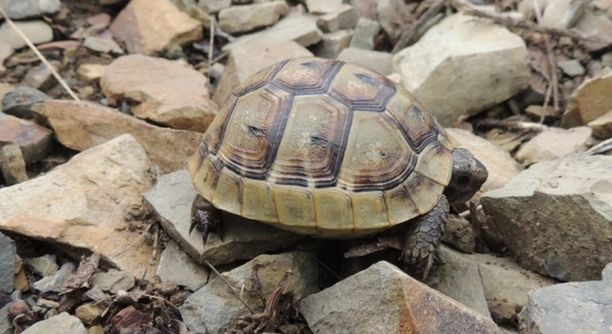
Mold growth in a Russian tortoise enclosure can lead to various health problems for your pet. It’s essential to maintain a clean, dry environment to avoid this issue. Here are some tips to keep your tortoise’s home mold-free.
To prevent mold growth in a Russian tortoise enclosure, regularly clean the enclosure, keep humidity levels low, and ensure proper ventilation. Removing wet bedding, providing a heat source, and using dry substrate can all help reduce mold growth risks.
By following these simple guidelines, you’ll create a healthier, safer habitat for your tortoise. Let’s look at some practical steps to maintain an optimal environment for your pet’s well-being.
Maintaining Low Humidity Levels
Humidity is one of the main factors that contribute to mold growth. Russian tortoises, being desert-dwelling animals, require a dry environment to thrive. Keeping the humidity low can prevent mold from taking root in the enclosure. Ensure your tortoise’s habitat has good airflow to avoid damp conditions. Use a hygrometer to monitor the humidity levels, aiming for a range between 30% and 40%. If the humidity rises above that range, it can create an environment where mold spores flourish. This means you should avoid over-watering plants in the enclosure and be cautious with misting. Additionally, spot cleaning regularly helps remove moisture and waste, which can attract mold.
Humidity control can be as simple as adjusting your enclosure setup. Use dry substrate materials, such as coconut fiber or aspen shavings, that won’t retain moisture. If you need to increase humidity for your tortoise’s health, consider adding a shallow water dish, but make sure it’s not spilling or causing wet spots.
The key to maintaining a healthy habitat for your Russian tortoise lies in controlling humidity and moisture. Simple adjustments, like careful watering and choosing the right bedding, go a long way in preventing mold.
Providing Proper Ventilation
Proper ventilation is essential in preventing mold. Without enough airflow, moisture builds up and stays trapped inside the enclosure, creating a breeding ground for mold. Make sure your enclosure has ventilation holes or mesh to allow for air circulation. You can also consider placing the enclosure in a well-ventilated area of your home.
A good ventilation system keeps the air dry, and it prevents stale air that can encourage mold. If the enclosure is too enclosed or tight, you might find moisture accumulating under bedding or at the corners, which leads to mold formation. Consider using a fan to circulate air around the area if necessary.
Cleaning the Enclosure Regularly
Regular cleaning of the enclosure helps remove any waste, uneaten food, or damp bedding that could foster mold. Be sure to scrub the surfaces at least once a week with a safe, mild cleaner. Avoid harsh chemicals that could harm your tortoise. Regularly replacing or drying out the bedding is key in maintaining a mold-free environment.
A simple cleaning routine makes a huge difference in preventing mold. Always check the corners of the enclosure and under any hides where moisture can collect unnoticed. If your tortoise’s living area looks wet or damp, it’s time to clean it and replace any wet materials. This will keep mold from forming.
In addition to the general cleanup, disinfecting the enclosure every month can help maintain a healthy space. Use pet-safe disinfectants or a diluted vinegar solution to ensure all surfaces are free from bacteria and fungi. This helps remove spores that could cause mold and ensures your tortoise’s enclosure is always fresh and safe.
Choosing the Right Substrate
The substrate you use plays a big role in controlling mold. Avoid materials that retain too much moisture, like soil or certain types of moss. Instead, choose dry, absorbent materials like aspen shavings, paper towels, or coconut coir. These will absorb any moisture and help maintain a dry environment.
When selecting bedding, look for a material that will not stay damp for long. Wet bedding can lead to mold development in just a matter of hours. If your tortoise’s habitat is in a humid room or near a water source, consider using thicker layers of absorbent substrate. Regularly check that the bedding isn’t damp and replace it when necessary.
Some tortoise owners also choose to mix substrates for better moisture control. Coconut coir can hold some moisture but still allows for airflow, while aspen shavings can dry out quickly. Finding the right balance between comfort and dryness is key to preventing mold buildup.
Removing Excess Water
Any excess water in the enclosure should be removed as quickly as possible. Wet spots or standing water can create the perfect conditions for mold growth. Regularly check for any areas where water might pool, such as near the water dish or under any damp bedding.
If your tortoise’s water dish spills or leaks, it’s essential to dry the area immediately. Dampness can linger in hard-to-reach places, such as cracks in the substrate or corners of the enclosure. Wipe up any spills quickly, ensuring that the enclosure stays as dry as possible. This helps keep mold at bay.
Using Heat Lamps Effectively
Heat lamps are an effective way to control humidity and prevent mold in a tortoise’s enclosure. Ensure that your tortoise has a warm basking area with appropriate temperatures. A heat lamp will help evaporate any moisture and maintain a dry environment.
The warmth provided by the heat lamp also mimics natural sunlight, promoting your tortoise’s health. If you notice the enclosure is becoming too humid despite the lamp, you may need to adjust the temperature or improve ventilation. Be careful not to overheat the space, as this can harm your tortoise.
FAQ
What can I do if mold is already present in the enclosure?
If mold has already appeared in your tortoise’s enclosure, it’s important to act quickly to remove it. Start by removing any contaminated bedding and cleaning the enclosure thoroughly with warm water and a mild, non-toxic cleaner. You may also need to disinfect surfaces with a vinegar solution to kill any mold spores. Make sure the entire area is dry before adding fresh bedding. Additionally, take steps to prevent mold from coming back by improving ventilation and managing humidity.
Can I use chemicals to remove mold?
While chemicals may seem like a quick fix, they can harm your tortoise. Always avoid harsh cleaners, pesticides, or mold removers that contain toxic ingredients. Instead, use a natural solution like diluted vinegar or a pet-safe cleaner. After cleaning, rinse the area well to ensure no residue remains. Keeping the enclosure dry and clean is the best long-term solution.
How can I tell if the humidity is too high in my tortoise’s enclosure?
You can easily monitor the humidity level using a hygrometer. Russian tortoises thrive in dry environments, and humidity above 40% can lead to mold growth. If you notice condensation on the walls or substrate becoming damp, it’s a sign that the humidity may be too high. In this case, increase ventilation and adjust the placement of water sources to help lower the humidity.
How often should I clean my Russian tortoise’s enclosure?
Ideally, you should spot clean the enclosure daily to remove waste, uneaten food, and any moisture. A more thorough cleaning should be done weekly, where you change the bedding and scrub the surfaces of the enclosure. Disinfect the entire enclosure once a month to prevent bacteria and mold buildup. Regular cleaning helps maintain a healthy and mold-free environment for your tortoise.
What type of substrate is best for preventing mold?
As mentioned earlier, dry, absorbent substrates are the best choice for preventing mold. Avoid materials that hold onto moisture for too long, such as soil or moss. Instead, opt for coconut coir, aspen shavings, or paper towels, all of which allow moisture to evaporate quickly. These substrates will help keep your tortoise’s enclosure dry and mold-free. Be sure to change out wet bedding regularly and monitor for any signs of dampness.
Can a heat lamp help prevent mold growth?
Yes, a heat lamp can help by raising the temperature in your tortoise’s enclosure, which promotes evaporation of any moisture. When the environment is warm and dry, mold is less likely to form. Make sure the lamp is placed properly to create a basking area with temperatures between 85°F and 95°F. However, it’s important to monitor humidity levels as well, as an overly warm environment without proper ventilation could cause the enclosure to become too dry for your tortoise’s comfort.
How can I avoid excess moisture in the enclosure?
To avoid excess moisture, do not over-water your tortoise’s plants or use too much water in their water dish. Also, avoid misting the enclosure unless necessary for your tortoise’s specific needs. If the enclosure is naturally humid, consider using a dehumidifier nearby or adding ventilation. Pay attention to any signs of water pooling and remove it promptly to prevent mold.
What are the signs that mold is affecting my tortoise’s health?
Mold can cause respiratory problems for your tortoise, leading to symptoms such as wheezing, nasal discharge, or labored breathing. If you notice these signs, it’s important to get your tortoise checked by a vet as soon as possible. Mold can also cause skin irritation and digestive issues if consumed. Keeping your tortoise’s habitat clean and dry will minimize these risks.
Can I use live plants in the enclosure?
Live plants can be used in your tortoise’s enclosure, but it’s important to choose plants that won’t increase humidity levels. Make sure the plants don’t hold excessive moisture or require frequent misting. Also, check that they are non-toxic to your tortoise. Be prepared to remove the plants if they start to mold or become too wet.
Should I use a fan to help with ventilation?
Yes, a fan can be an excellent addition to improve ventilation in your tortoise’s enclosure. It helps circulate air, reduces stagnant moisture, and prevents mold buildup. However, make sure the fan is positioned so it doesn’t blow directly onto your tortoise. Too much wind can stress your pet, so moderation is key.
How do I know if my enclosure is properly ventilated?
A properly ventilated enclosure will have some airflow but not be drafty. Check for condensation on the walls or surfaces inside the enclosure—this can be a sign that the space is too humid. Also, ensure that there are ventilation holes or mesh at the top and sides of the enclosure. This allows fresh air to circulate and keeps humidity levels in check.
Final Thoughts
Preventing mold growth in a Russian tortoise enclosure is essential for your pet’s health and well-being. Mold can lead to respiratory issues and other health problems, making it important to maintain a clean, dry environment. By regularly cleaning the enclosure, using the right substrate, and keeping humidity levels low, you can greatly reduce the risk of mold. Ensuring proper ventilation and using heat lamps also helps keep the space dry and comfortable for your tortoise. With a few simple steps, you can provide a healthier habitat for your pet and avoid unnecessary complications.
Monitoring moisture levels is one of the most crucial aspects of mold prevention. Tortoises, especially Russian tortoises, come from dry environments and thrive in a similar climate. Keeping the humidity at the right level—between 30% and 40%—is key to preventing mold. This is easily achievable with a hygrometer, and by taking care to avoid over-watering plants and not leaving standing water in the enclosure. Mold often forms in areas where moisture collects, so regular cleaning and drying out bedding are important practices to reduce the chances of mold developing.
Overall, mold prevention comes down to consistency. It’s not just about one cleaning session or one adjustment; it’s about keeping up with the daily and weekly care of your tortoise’s environment. By staying on top of the enclosure’s cleanliness, humidity, and ventilation, you will create a comfortable and safe space for your tortoise. This will not only prevent mold but will also promote the long-term health of your pet. With these simple steps, you’ll be able to ensure that your Russian tortoise has the best possible environment to thrive in.

Hello,
If you enjoy the content that we create, please consider saying a "Thank You!" by leaving a tip.
Every little bit helps us continue crafting quality advice that supports the health, happiness, and well-being of pets around the world, for pets of all shapes, sizes, and species.
We really appreciate the kindness and support that you show us!