
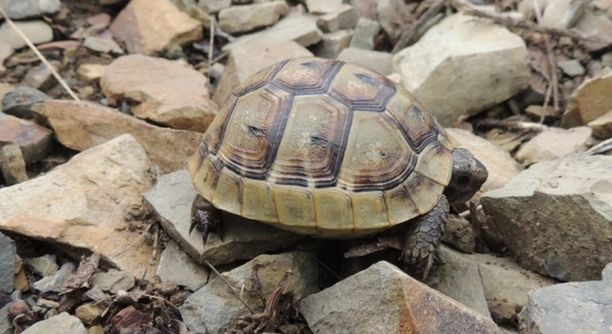
Finding the right substrate for your Russian tortoise can greatly improve its living environment. It’s essential to choose the right materials for their habitat to keep them healthy and happy.
When choosing substrates for Russian tortoises, the ideal options should mimic their natural desert environment while ensuring proper humidity and comfort. Some of the best choices include coconut fiber, aspen shavings, and clean sand. Avoid substrates like pine and cedar, as they can be harmful.
Choosing the correct substrate will not only make your tortoise’s habitat more natural but also provide comfort and health benefits. Understanding which substrates are safe and which to avoid is crucial to ensuring a thriving environment.
Why the Right Substrate Matters for Russian Tortoises
Choosing the right substrate for your Russian tortoise isn’t just about appearance; it’s about creating a healthy and comfortable space. Tortoises need a substrate that allows them to burrow, regulate temperature, and maintain proper humidity levels. A good substrate will help your pet feel safe and more relaxed in its habitat.
A proper substrate also supports the tortoise’s natural behavior. Russian tortoises are used to arid climates, so substrates like coconut fiber or sand are ideal for mimicking their native environment. The right substrate can keep them comfortable, happy, and active.
If you want your tortoise to stay healthy, you must avoid any substrates that might be harmful. Cedar and pine are not suitable due to their aromatic oils, which can cause respiratory problems. Stick to safer options, and keep your tortoise’s enclosure clean and dry to avoid any health risks. Regularly cleaning the substrate also prevents bacteria from building up, which could lead to infections or parasites. A good substrate can keep your pet both mentally and physically stimulated while promoting proper hydration and digestion.
Best Substrates for Russian Tortoises
Some of the best substrates for Russian tortoises include coconut fiber, aspen shavings, and clean sand.
Coconut fiber is a great choice for most Russian tortoises because it holds moisture well but doesn’t stay too wet. This helps in creating a balanced environment with just the right level of humidity. It’s also safe for your tortoise and won’t cause irritation to their skin or lungs. Another fantastic option is aspen shavings, which are absorbent and help control odors. They are also less dusty than other wood-based substrates, which makes them easier on your tortoise’s respiratory system. Clean sand is another popular choice as it mimics a natural desert environment. It’s essential to ensure the sand is not too fine, as this can lead to respiratory issues when your tortoise breathes it in. All of these substrates are safe and offer benefits like natural behavior promotion, moisture control, and ease of cleaning. They provide a natural, comfortable environment for your Russian tortoise to thrive.
Substrates to Avoid for Russian Tortoises
It’s important to avoid using certain substrates that can harm your Russian tortoise.
Cedar and pine are two types of wood shavings to steer clear of. These woods contain oils that can irritate a tortoise’s respiratory system and lead to health problems. Both types of wood can also cause skin irritation and should not be used in any tortoise habitat. Other substrates that can be problematic include clay or soil with added fertilizers or chemicals. These may contain harmful substances that can be toxic to your pet. It’s also wise to avoid using gravel or crushed walnut shells, which can be too hard and abrasive. These materials could cause injury or lead to digestion problems if your tortoise accidentally ingests them. Always opt for natural, non-toxic, and safe materials to ensure the well-being of your pet. By sticking to suitable substrates, you’ll provide your tortoise with the best possible living conditions.
How to Maintain Your Tortoise’s Substrate
Keeping the substrate clean is essential for your tortoise’s health. Make sure to remove any waste daily and spot clean the substrate as needed. This prevents bacteria from building up.
Changing the substrate regularly, depending on your tortoise’s activity level, ensures it stays fresh and dry. For example, coconut fiber can be changed every 2-4 weeks, while sand may need more frequent adjustments due to dust buildup. If you’re using a wood-based substrate like aspen, check for any mold or excess moisture, as these can be harmful. Keeping the substrate clean prevents any unwanted odors and helps maintain a comfortable living space.
You should also adjust the humidity levels based on the substrate type. Coconut fiber will naturally hold moisture, but you may need to mist it occasionally to maintain the right balance. For sand, consider placing a shallow water dish in the enclosure to help with humidity control, but make sure the area is still dry enough for your tortoise to move comfortably. Too much moisture in the substrate can lead to mold and other health issues. Regularly check the substrate to make sure it’s still in good condition and safe for your tortoise.
How to Choose the Best Substrate for Your Tortoise’s Habitat
Choosing the best substrate involves considering both safety and comfort for your Russian tortoise.
First, focus on natural, non-toxic options. Coconut fiber, aspen shavings, and clean sand are all excellent choices because they mimic a desert environment and offer safe, comfortable surfaces for your tortoise to move around on. Consider the size of your enclosure and how much substrate you need to cover the bottom properly. This ensures your tortoise has enough space to dig or burrow if desired.
Another consideration is moisture control. Coconut fiber can hold moisture, which may help with humidity control, but too much moisture can cause mold to develop. Sand is dryer and easier to manage but can lead to dust if not maintained properly. Make sure to avoid substrates that retain too much moisture, as they can cause respiratory problems for your tortoise. Ensure that the material is safe for your tortoise to ingest, as some substrates may lead to digestive issues if swallowed.
How to Prevent Mites and Parasites in Substrates
Regularly checking the substrate for any signs of pests is important. Mites and parasites can cause discomfort and health issues for your tortoise. Inspect the substrate thoroughly for any movement or unusual growth.
To prevent issues, ensure that the substrate is kept dry and clean. If you spot any pests, replace the substrate entirely to eliminate the problem. Adding diatomaceous earth to the substrate can also help control pests naturally, but ensure it’s safe for your tortoise. Always keep the enclosure clean to reduce the chances of an infestation.
The Role of Substrate in Temperature Regulation
Substrate plays a significant role in regulating your tortoise’s temperature. A good substrate can help maintain a stable environment for your pet.
Materials like coconut fiber and sand can retain heat from a basking light or heat source, which helps maintain the correct temperature. However, too thick a substrate can lead to difficulty in regulating heat, especially if your tortoise is in an area that’s too cool. Always monitor temperature levels regularly to ensure they’re within the ideal range for your Russian tortoise. Proper heat regulation is vital for digestion and overall health.
How to Avoid Overly Wet Substrates
Overly wet substrates can create a breeding ground for bacteria and mold, both of which are harmful to your tortoise.
Make sure the substrate is well-draining and that excess moisture is removed. You can use a moisture meter to check humidity levels, ensuring they stay within a safe range. If the substrate is too damp, it can lead to respiratory issues or skin problems. Always remove wet patches and ensure the substrate stays mostly dry to maintain a healthy environment for your tortoise.
FAQ
What is the best substrate for a Russian tortoise?
Coconut fiber, aspen shavings, and clean sand are some of the best substrates for Russian tortoises. These materials mimic the tortoise’s natural habitat, allowing them to burrow, roam, and stay comfortable. Coconut fiber is especially good for maintaining moisture, while sand provides a dry, arid environment. Make sure any substrate you choose is safe and free of chemicals or dust.
Can I use regular soil for my Russian tortoise?
Using regular garden soil can be risky for your tortoise. Soil from outside may contain chemicals, pesticides, or parasites that can harm your pet. Additionally, it can be too moist, leading to mold growth. If you use soil, ensure it’s pesticide-free and dry, and mix it with sand or coconut fiber to make it safer for your tortoise.
How often should I change the substrate?
How often you change the substrate depends on its type and how dirty it gets. For example, coconut fiber needs to be changed every 2-4 weeks, while sand may require more frequent changes due to dust buildup. Aspen shavings should also be replaced every few weeks. Spot cleaning daily can help prolong the life of the substrate. Always check for excess moisture, odors, or mold, which might indicate it’s time for a change.
Is sand safe for Russian tortoises?
Sand can be safe for Russian tortoises if used correctly. Ensure you are using clean, non-dusty sand that does not contain any additives or chemicals. Sand can help mimic a desert environment, and it also provides your tortoise with a good surface to dig and explore. Just be careful not to use too fine a sand, as it can cause respiratory problems.
What substrates should I avoid for Russian tortoises?
You should avoid substrates like cedar, pine, or any aromatic wood shavings. These contain oils that can be harmful to tortoises, causing respiratory issues and skin irritation. Clay, soil with added fertilizers, or any synthetic material that retains too much moisture is also a no-go. These could lead to mold growth and health problems.
Can I use reptile carpet as a substrate?
Reptile carpet is not the best choice for a Russian tortoise. It doesn’t allow for natural digging behaviors and can be too slippery. Over time, your tortoise may also ingest small pieces of carpet, which could cause digestive issues. Stick with natural, digestible substrates like coconut fiber or sand for better results.
How can I keep the substrate clean and odor-free?
To keep the substrate clean, perform daily spot cleaning by removing waste or uneaten food. Change the substrate regularly and make sure your tortoise’s habitat is well-ventilated to prevent moisture buildup. Adding a shallow water dish can help control humidity levels, but avoid over-wetting the substrate. Use a disinfectant safe for reptiles when needed, and always remove any mold or damp areas right away.
Can I mix different substrates together?
Yes, mixing different substrates can be beneficial. For example, you can mix coconut fiber with sand to create a balanced environment. Coconut fiber helps with moisture retention, while sand provides a dry, easy-to-dig surface. Just ensure the mixture is safe and non-toxic for your tortoise. Avoid using too many layers or combining too much moisture-retaining material, as this could lead to mold growth or other problems.
Is it necessary to add a heat mat under the substrate?
It’s not strictly necessary, but some owners choose to use a heat mat under the substrate to help regulate temperature. If you do, make sure the heat mat is placed under a thick layer of substrate so the tortoise doesn’t come into direct contact with the heat source. This can help maintain a warm area for basking. Always monitor temperatures with a thermometer to make sure they stay within the ideal range for your tortoise.
How do I deal with a substrate that’s too wet?
If the substrate is too wet, it’s important to remove any excess moisture immediately. Check the humidity level with a meter and make sure it stays within the safe range for your tortoise. You can also add dry substrate or use a fan to help the area dry out. If needed, replace the wet substrate entirely and ensure the environment doesn’t become too damp in the future.
Can I use mulch for my Russian tortoise?
Mulch isn’t the best option for a Russian tortoise. It can contain chemicals or pesticides, which can be harmful to your pet. Some types of mulch also tend to break down and become messy. Instead, choose natural, safe substrates like coconut fiber, aspen shavings, or sand for the best results.
Is it safe to use gravel in the tortoise’s enclosure?
Gravel is not ideal for Russian tortoises. While it may seem like a good choice for decoration or drainage, it can cause problems. If your tortoise ingests small pieces of gravel, it could lead to digestive blockages. It also doesn’t support the tortoise’s natural digging behavior, which is important for their well-being. Stick with safer alternatives like coconut fiber or sand.
Choosing the right substrate for your Russian tortoise is essential for creating a comfortable and healthy environment. A proper substrate not only mimics the natural habitat of your tortoise but also supports its overall well-being. It allows your tortoise to carry out essential behaviors such as burrowing and exploring, which are crucial for its mental and physical health. There are several good options, such as coconut fiber, aspen shavings, and clean sand, that provide the right balance of moisture control and comfort.
However, it’s equally important to avoid certain materials that can harm your tortoise. Cedar and pine, for example, should always be avoided, as their oils can cause respiratory problems and skin irritation. Other substrates like clay or soil with added chemicals are also risky, as they could introduce harmful toxins into your tortoise’s habitat. Keeping your tortoise’s enclosure clean and free of harmful substances is key to ensuring a long, healthy life for your pet. This includes replacing the substrate when it becomes soiled or damp, as wet conditions can lead to mold or bacterial growth, both of which pose a risk to your tortoise’s health.
In the end, selecting the right substrate requires balancing your tortoise’s natural needs with practicality. Regular cleaning, proper humidity levels, and using safe, non-toxic materials will help ensure a safe and enjoyable environment for your tortoise. With a little attention and care, you can create a space that promotes natural behaviors and keeps your Russian tortoise happy and healthy. Take the time to assess the condition of the substrate regularly and make necessary adjustments as your tortoise grows and its needs evolve. By doing so, you’ll be helping your tortoise live a healthy, comfortable life in a well-maintained habitat.

Hello,
If you enjoy the content that we create, please consider saying a "Thank You!" by leaving a tip.
Every little bit helps us continue crafting quality advice that supports the health, happiness, and well-being of pets around the world, for pets of all shapes, sizes, and species.
We really appreciate the kindness and support that you show us!