
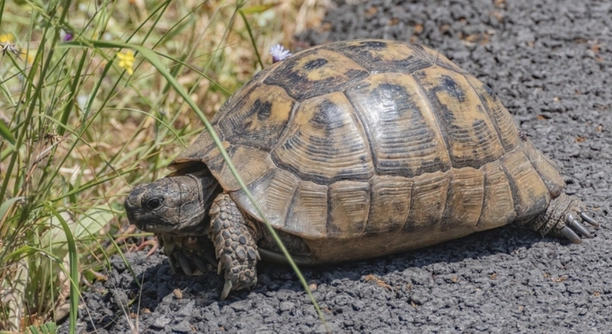
If you’ve noticed your Russian tortoise sneezing, you might be wondering what’s going on with your little pet. Sneezing could indicate several things, from environmental factors to health concerns. Understanding the cause can help ensure your tortoise stays happy and healthy.
The most common cause of sneezing in Russian tortoises is respiratory irritation, often from dusty bedding, poor humidity, or cold drafts. If your tortoise’s environment is not properly maintained, it may lead to respiratory infections or other health issues.
Addressing this issue promptly can help improve your tortoise’s well-being and prevent further complications.
Understanding Respiratory Infections in Russian Tortoises
Respiratory infections are a common concern for Russian tortoises, especially if the environment isn’t suitable. These infections can result from prolonged exposure to cold or damp conditions, poor ventilation, or poor air quality. In the wild, these tortoises are adapted to dry, warm climates, and recreating that environment in captivity is key to keeping them healthy. An infected tortoise might show symptoms like sneezing, wheezing, or discharge from the nose or eyes. If you notice these signs, it’s important to act quickly. It’s also worth noting that respiratory infections can develop from stress, so ensuring a calm, stable home for your pet is crucial.
If your tortoise shows signs of respiratory distress, it’s a good idea to check their habitat. Adjusting the temperature, humidity, and overall conditions can help prevent the infection from worsening. In some cases, a visit to the vet may be necessary for diagnosis and treatment.
A key aspect of managing your tortoise’s health involves setting up their habitat with care. Maintaining the proper temperature and humidity levels, as well as avoiding drafts, can help reduce the risk of respiratory problems. A warm, dry environment mimics their natural habitat, promoting healthy breathing. Ensure your tortoise has a cozy, dry area to retreat to for warmth, and clean bedding to avoid dust or bacteria buildup. If your tortoise does develop an infection, a vet can recommend antibiotics or other treatments to address the issue. Keeping your tortoise in an environment with clean air, proper heat, and humidity will improve their overall health and comfort.
Preventing Sneezing and Respiratory Issues
Proper habitat management can go a long way in preventing sneezing and other respiratory issues. Maintaining cleanliness and ensuring good air circulation is key to a healthy environment for your tortoise.
For long-term health, regular checks and proper care are essential. Keeping their habitat clean, warm, and dry will ensure your tortoise stays comfortable and free from respiratory problems. If symptoms persist, veterinary consultation is recommended.
The Role of Diet in Respiratory Health
A proper diet is important in supporting your tortoise’s immune system. Poor nutrition can make them more susceptible to respiratory infections.
Feeding your Russian tortoise a balanced diet consisting of leafy greens, hay, and occasional vegetables helps keep their immune system strong. Avoid feeding them foods that are too high in sugar or moisture, as they can cause digestive issues or even exacerbate respiratory problems. A vitamin-rich diet helps keep their body healthy and better equipped to fight off illnesses.
Regularly providing fresh food and ensuring they have access to clean water will support overall health. It’s important to feed them in appropriate portions, as overeating can lead to obesity, which affects their breathing and overall well-being. Be mindful of the variety of foods you provide, ensuring they are safe and nutritious for your tortoise. Regular diet adjustments can help prevent further complications.
The Impact of Humidity on Breathing
Humidity levels are another important factor in respiratory health. Too much or too little moisture in the air can lead to breathing issues for your tortoise.
Maintaining proper humidity levels helps prevent dehydration and respiratory problems. Too much humidity can lead to fungal infections or contribute to a damp environment, which can irritate the respiratory system. Conversely, insufficient humidity can cause dryness in the nostrils and lead to sneezing or nasal discharge.
By using a hygrometer, you can monitor the humidity in your tortoise’s habitat and make adjustments as needed. A consistent environment is crucial for their overall health, so ensuring the proper balance between humidity and temperature is important.
The Importance of Clean Bedding
Keeping your tortoise’s bedding clean helps prevent respiratory problems. Dusty or soiled bedding can cause irritation and lead to sneezing.
Regularly changing the bedding is essential for maintaining a healthy environment. Use safe, dust-free bedding materials such as coconut coir or aspen shavings to avoid unnecessary respiratory stress.
Temperature Control for Respiratory Health
Temperature plays a big role in your tortoise’s respiratory health. A consistent warm environment helps prevent cold-related respiratory issues.
Ensure your tortoise’s habitat has a temperature gradient, with a warm basking spot and cooler areas for them to retreat. A heat source, like a ceramic bulb or heating pad, will maintain the warmth they need.
FAQ
What should I do if my tortoise keeps sneezing?
If your tortoise keeps sneezing, first check their environment. Ensure the humidity, temperature, and bedding are appropriate. Dusty bedding or poor air quality could irritate their respiratory system. If symptoms persist, a visit to the vet is necessary to rule out respiratory infections.
How can I tell if my tortoise has a respiratory infection?
Signs of a respiratory infection in tortoises include sneezing, nasal discharge, wheezing, or lethargy. If these symptoms occur alongside changes in behavior, such as loss of appetite or difficulty moving, it’s crucial to consult a veterinarian for proper diagnosis and treatment.
Can I use regular bedding for my Russian tortoise?
Regular bedding like cedar or pine shavings is not ideal for Russian tortoises due to their strong scent and potential to irritate the respiratory system. It’s best to use dust-free bedding, such as coconut coir or aspen shavings, to reduce the risk of respiratory issues.
How can I improve the humidity in my tortoise’s enclosure?
To increase humidity, mist the enclosure lightly with water, use a humidifier, or add a shallow water dish for your tortoise to drink from and bathe in. Monitor the humidity levels with a hygrometer to ensure they stay within the recommended range for your species.
What temperature should my tortoise’s enclosure be?
Your tortoise’s enclosure should have a temperature gradient. The basking area should be between 90-95°F (32-35°C), while the cooler side of the enclosure should range from 75-85°F (24-29°C). This allows your tortoise to regulate its body temperature according to its needs.
How often should I clean my tortoise’s enclosure?
Clean your tortoise’s enclosure at least once a week, removing soiled bedding, uneaten food, and waste. Spot clean daily to maintain cleanliness and prevent bacteria buildup. Proper cleaning prevents respiratory issues and ensures your tortoise has a healthy living environment.
Is it okay for my tortoise to be outside?
Russian tortoises can benefit from time outdoors, but only when the temperature is within their comfortable range. Ensure the area is free of predators and hazardous plants. Always supervise outdoor time and return them to their controlled indoor habitat to prevent exposure to extreme weather.
How can I prevent respiratory issues in my tortoise?
To prevent respiratory issues, maintain a stable, warm, and dry environment with proper humidity levels. Use dust-free bedding, clean their habitat regularly, and provide a balanced diet. Avoid drafts and sudden temperature fluctuations that can stress your tortoise and weaken their immune system.
Can a poor diet cause my tortoise to sneeze?
A poor diet can weaken your tortoise’s immune system, making them more susceptible to respiratory issues. Ensure they are eating a variety of leafy greens, hay, and vegetables to support their health. Avoid high-moisture or sugary foods that could contribute to respiratory distress.
How do I know if my tortoise is too cold?
If your tortoise is too cold, they may become sluggish, stop eating, or hide more than usual. You may also notice a decrease in their activity level. Make sure they have access to a basking spot with proper heat, and monitor the overall temperature of their enclosure.
Can a tortoise recover from a respiratory infection?
Yes, with proper treatment, a tortoise can recover from a respiratory infection. Treatment may involve antibiotics prescribed by a veterinarian, along with adjustments to their habitat, such as increasing warmth and humidity. Always follow your vet’s advice for the best results.
What are common causes of sneezing in tortoises?
Common causes of sneezing in tortoises include poor air quality, dusty bedding, low humidity, or respiratory infections. Stress and sudden temperature changes can also contribute to sneezing. Proper habitat management is crucial to preventing these issues.
How often should I feed my Russian tortoise?
Feed your Russian tortoise every other day, offering a variety of leafy greens, some vegetables, and occasional flowers. Avoid overfeeding to prevent obesity, and always remove any uneaten food after a few hours to keep the enclosure clean. Fresh, clean water should always be available.
Can I use heat lamps for my tortoise?
Yes, heat lamps are essential for providing the necessary warmth for your tortoise. However, ensure that the light doesn’t shine too directly on them for prolonged periods. A ceramic heat emitter can be used for steady heat without light if you need to avoid disrupting their day-night cycle.
Should I take my tortoise to the vet regularly?
It’s a good idea to take your tortoise for a yearly check-up to ensure they are healthy and free from potential issues. If your tortoise shows signs of illness, such as sneezing, lethargy, or loss of appetite, immediate veterinary care is recommended.
Can tortoises get colds from humans?
Tortoises cannot catch the same colds humans do, but they can develop respiratory infections from environmental factors. While human illnesses won’t directly affect them, poor living conditions or a sudden change in temperature can weaken their immune system, leading to respiratory issues.
Final Thoughts
Taking care of a Russian tortoise involves creating the right environment to ensure its health and well-being. This includes maintaining the proper temperature, humidity, and bedding conditions to avoid respiratory issues. If your tortoise begins sneezing or shows signs of illness, it’s important to evaluate their habitat and look for any potential causes. Many issues can be solved by simply adjusting the environment, such as changing the bedding or correcting the humidity level.
In addition to environmental factors, diet plays a crucial role in your tortoise’s overall health. A balanced diet rich in leafy greens and vegetables supports their immune system, helping to prevent respiratory problems. It’s also important to provide fresh, clean water at all times. Keeping your tortoise active and ensuring they have regular access to natural sunlight or UVB light is equally important. These steps not only reduce the risk of health issues but also promote a longer, healthier life.
If you find that your tortoise’s symptoms persist, seeking the advice of a veterinarian is essential. Respiratory infections can worsen if not treated properly. With prompt care, most tortoises can recover and return to normal. By staying vigilant about their environment and health, you can ensure that your Russian tortoise remains happy and healthy for years to come.

Hello,
If you enjoy the content that we create, please consider saying a "Thank You!" by leaving a tip.
Every little bit helps us continue crafting quality advice that supports the health, happiness, and well-being of pets around the world, for pets of all shapes, sizes, and species.
We really appreciate the kindness and support that you show us!