
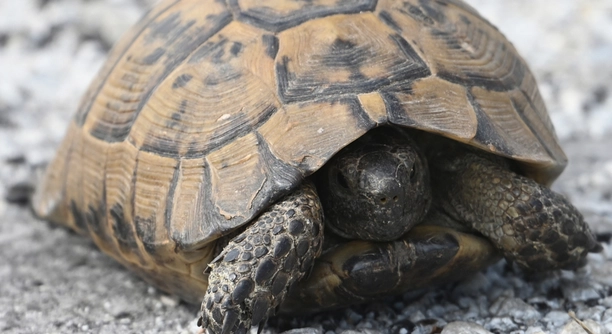
A healthy, strong shell is essential for the well-being of your Russian tortoise. Shell strength is influenced by various factors, and understanding these can help ensure your tortoise thrives. Here are some helpful tips for promoting a sturdy shell.
To improve your Russian tortoise’s shell strength, ensure they receive proper nutrition, including calcium and vitamin D3. Providing a balanced diet, adequate UVB light, and regular exercise can also significantly contribute to maintaining a healthy, strong shell.
By focusing on these key elements, you’ll create a supportive environment that fosters your tortoise’s shell health. Each step plays a role in strengthening their protective shield.
Proper Diet and Nutrition
A balanced diet is essential for the health of your Russian tortoise. To support a strong shell, ensure they’re eating a variety of leafy greens like dandelion greens, collard greens, and mustard greens. You can also provide occasional vegetables like squash and carrots. Avoid feeding them high-oxalate foods, such as spinach, which can affect calcium absorption.
In addition to fresh food, consider offering a calcium supplement. This is crucial for shell growth and strength. Dusting their food with calcium powder a few times a week can make a noticeable difference in their overall shell health.
Don’t forget that hydration plays a key role in digestion and skin health. Providing fresh water daily and soaking your tortoise in lukewarm water once or twice a week can help prevent dehydration and keep their skin and shell in good condition.
Providing UVB Light
UVB lighting is vital for your Russian tortoise’s overall health. Without it, they cannot process calcium properly, leading to weak shells and other health issues. Ensure your tortoise has access to proper UVB light for about 10-12 hours each day.
UVB light helps your tortoise synthesize vitamin D3, which is necessary for calcium absorption. Without sufficient UVB exposure, even a well-balanced diet can be insufficient in strengthening their shell. Choose a high-quality UVB light, such as a fluorescent bulb designed for reptiles, and replace it every 6 months for optimal results.
Additionally, allowing your tortoise to bask under natural sunlight, if possible, can further support their shell strength. Sunlight offers the most effective source of UVB, but artificial lighting can still provide essential benefits if sunlight isn’t available year-round. Make sure your tortoise’s basking spot is warm enough for them to thrive, as proper temperature regulation also supports digestion and overall health.
Regular Exercise
Exercise is key for maintaining a strong shell. Encourage your tortoise to move around by providing a safe, spacious area for exploration. A larger enclosure will help them stay active and naturally strengthen their muscles, which in turn supports shell development.
You can also add obstacles, like rocks or small logs, to motivate climbing and walking. This mimics their natural environment and promotes physical activity, essential for overall well-being. Avoid small enclosures that restrict movement, as limited space can impact their muscle and shell strength.
Make sure to give your tortoise a mix of indoor and outdoor time, if possible. Outdoor time in a secure, safe area provides natural opportunities for exercise and exposure to sunlight. When indoors, set up an enriching environment that encourages movement and exploration.
Shell Care
Keeping your tortoise’s shell in good condition requires regular care. Inspect the shell regularly for any signs of damage or soft spots. If you notice any unusual changes, such as cracks or softness, it’s best to consult with a reptile vet immediately.
Maintaining a clean environment also helps prevent shell infections and damage. Regularly clean their enclosure to prevent the build-up of waste, mold, or bacteria. Soaking your tortoise in lukewarm water once a week can help keep the shell hydrated and promote overall health.
Proper humidity is also vital in preventing the shell from drying out. Keep humidity levels moderate in their environment, as excessive dryness can lead to shell cracking. A balanced approach to moisture and temperature control ensures a healthy, strong shell for your tortoise.
Avoiding Stress
Stress can negatively affect your tortoise’s health, including shell development. Keep their environment calm and stable to avoid unnecessary stress. Loud noises, sudden temperature changes, or excessive handling can trigger stress.
Providing a consistent routine helps create a sense of security for your tortoise. This includes feeding them at the same times and ensuring they have a stable, quiet environment to rest. Minimizing stress promotes overall health, which is essential for shell strength.
Proper Substrate
Choosing the right substrate is important for shell health. The substrate should be soft enough to prevent abrasions but firm enough to allow for natural movement. Avoid substrates that may cause respiratory issues, like cedar or pine.
A good option is a mix of organic soil, sand, and coconut husk. This creates a natural habitat and promotes physical activity. Make sure the substrate is kept clean and dry to prevent any bacterial build-up. Wet substrate can cause your tortoise’s shell to soften over time, so it’s essential to maintain a dry environment.
Temperature Regulation
Maintaining the right temperature is crucial for your tortoise’s shell strength. The basking area should be kept between 85-90°F, with a cooler area of about 70-75°F. Proper temperature gradients help regulate metabolism and digestion, which are vital for calcium absorption and shell development.
Ensure that your tortoise can move freely between these areas to regulate their body temperature. Regularly check the temperature to ensure it stays within the appropriate range. Too cold or too hot temperatures can stress your tortoise and negatively impact their shell health.
FAQ
How can I tell if my Russian tortoise’s shell is healthy?
A healthy shell should be smooth, hard, and free of cracks or soft spots. The color should be uniform, without any signs of discoloration, such as yellowing or blisters. Regular inspection helps spot any issues early. If you notice soft areas or visible damage, consult a vet to prevent further problems.
What type of food should I feed my Russian tortoise to strengthen its shell?
A diet rich in fiber and calcium is essential. Leafy greens like dandelion greens, kale, and collard greens are excellent choices. You can also offer occasional vegetables like carrots and squash, but avoid high-oxalate foods, such as spinach, which can hinder calcium absorption. Adding a calcium supplement to their diet will further support shell health.
How much UVB light does my Russian tortoise need?
Your Russian tortoise should have access to UVB light for about 10-12 hours each day. This helps them synthesize vitamin D3, essential for calcium absorption and strong shell growth. A good quality UVB bulb should be replaced every six months, even if it still lights up, as the UVB radiation weakens over time.
Can my Russian tortoise’s shell get stronger over time?
Yes, with proper care, a tortoise’s shell can become stronger. Providing them with a nutritious diet, UVB light, and a good environment will allow them to grow a strong and healthy shell. However, it’s important to maintain consistent care, as their shell strength can diminish if these factors are neglected.
What should I do if my tortoise’s shell is soft or cracked?
If your tortoise’s shell is soft, cracked, or damaged, it’s essential to visit a vet immediately. Soft shells could be a sign of calcium deficiency, while cracks may be caused by trauma or poor conditions. In the meantime, adjust their diet to ensure proper calcium intake and provide UVB lighting.
How can I prevent my Russian tortoise’s shell from getting damaged?
To prevent shell damage, ensure your tortoise has a safe, spacious enclosure with no sharp edges or hard surfaces that could cause injury. Avoid handling them roughly and always supervise outdoor time to keep them away from predators or hazardous objects. A healthy diet and regular check-ups are also essential to prevent shell issues.
Is it okay to handle my tortoise frequently?
While it’s important to interact with your tortoise, excessive handling can cause stress. Russian tortoises tend to be more relaxed when left undisturbed. If you do handle them, keep it brief and gentle, and make sure they have plenty of time in their enclosure to explore and bask.
Can I give my Russian tortoise a bath to help with shell health?
Yes, soaking your tortoise in lukewarm water for about 10-15 minutes a few times a week helps with hydration and can promote shell health. Make sure the water level is not too high, just enough to cover the lower half of their body. Bathing also helps prevent dehydration, especially in dry climates.
What type of substrate is best for my Russian tortoise’s shell health?
A mix of organic soil, coconut coir, and sand works well as a substrate for Russian tortoises. This combination mimics their natural environment, allowing them to burrow and move around. Avoid substrates that could cause respiratory issues, such as pine or cedar wood shavings, and ensure the substrate is kept clean and dry.
How do temperature and humidity affect my tortoise’s shell?
Maintaining the right temperature is essential for shell development. The basking area should be between 85-90°F, with cooler spots around 70-75°F. Humidity should be moderate but not excessive. Low humidity can cause the shell to dry out, while high humidity can lead to fungal infections. Proper humidity and temperature help digestion and calcium absorption, both vital for shell health.
Can Russian tortoises live outside year-round?
In mild climates, Russian tortoises can live outside year-round, provided their enclosure is secure and offers plenty of shade, shelter, and space. However, in colder climates, they need to be brought inside during the winter to avoid exposure to extreme cold. Always monitor the temperature and humidity of their outdoor habitat to ensure it remains within safe ranges.
Why is my Russian tortoise not eating, and how does that affect its shell?
Loss of appetite in a tortoise can be caused by stress, poor environmental conditions, or illness. If your tortoise stops eating for an extended period, it can affect its overall health, including the shell. Malnutrition, particularly a lack of calcium and fiber, can lead to a weak shell. Make sure they have a comfortable, stable environment and consider consulting a vet if the problem persists.
How do I ensure my Russian tortoise gets enough calcium?
To ensure adequate calcium intake, feed your tortoise calcium-rich foods like leafy greens, and use a calcium supplement. You can dust their food with calcium powder several times a week. If you are concerned about calcium levels, a reptile vet can help guide you on proper supplementation.
Do Russian tortoises need a companion?
Russian tortoises are solitary animals and don’t require a companion to thrive. In fact, adding another tortoise can sometimes lead to aggression or stress. It’s best to provide a spacious, enriching environment where your tortoise can live independently and feel secure.
How often should I check my Russian tortoise’s shell for damage or health issues?
Regularly check your tortoise’s shell during routine care. Inspect for any cracks, soft spots, or changes in texture. Checking their shell weekly will help you identify issues early. If you notice anything unusual, it’s important to consult a vet as soon as possible to prevent further damage.
Final Thoughts
Caring for your Russian tortoise’s shell health requires attention and consistency. A healthy shell is a clear sign of overall well-being, so it’s important to focus on proper diet, UVB lighting, and a safe environment. Regularly checking for any signs of damage or weakness will help catch problems early. If you spot any issues, addressing them quickly can prevent further harm. Whether it’s a calcium deficiency, a crack, or dehydration, the right care can help your tortoise stay healthy and strong.
Shell strength is not something that happens overnight. It takes time and commitment to ensure your tortoise has all the nutrients and environmental conditions it needs. Consistency in their diet and exposure to UVB light plays a big role in shell development. If you provide them with the right elements, they can develop a strong, resilient shell. The occasional vet check-up is also important to keep track of their overall health, and a vet can help you address any specific concerns regarding their shell or diet.
Ultimately, maintaining the health of your Russian tortoise’s shell is part of providing them with a long, healthy life. When you prioritize their well-being with proper care and attention, you help prevent problems and ensure their shell remains strong throughout their life. By staying informed and being proactive, you can support your tortoise’s shell health for years to come.

Hello,
If you enjoy the content that we create, please consider saying a "Thank You!" by leaving a tip.
Every little bit helps us continue crafting quality advice that supports the health, happiness, and well-being of pets around the world, for pets of all shapes, sizes, and species.
We really appreciate the kindness and support that you show us!