
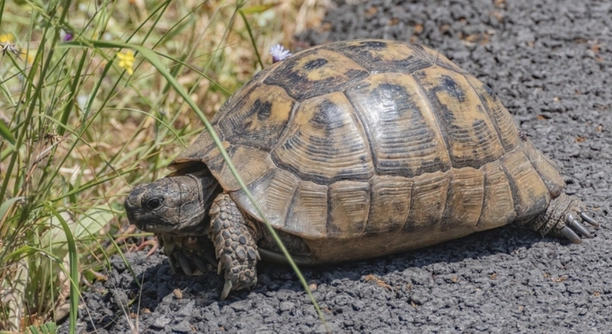
Transporting a Russian tortoise requires care and attention. Whether you’re moving your pet to the vet, on vacation, or to a new home, the right approach ensures their safety and comfort during the journey.
To safely transport a Russian tortoise, place it in a secure, ventilated container that prevents escape and injury. Ensure the container is the right size and provide bedding, such as soft paper towels or hay, for comfort and warmth.
This simple process will ensure your tortoise travels safely. Knowing the basics can help minimize stress and potential harm while ensuring a smooth transition.
Choosing the Right Container
When transporting your Russian tortoise, the container is key to keeping it safe. Opt for a small, sturdy box or a travel carrier designed for reptiles. The container should be well-ventilated, with holes or mesh to ensure proper airflow. It should also be large enough for the tortoise to move slightly but not so spacious that it can slide around. Too much space could cause your tortoise to become stressed or hurt itself. If you’re using a box, make sure the walls are high enough to prevent escape. Adding soft, absorbent bedding like paper towels or shredded newspaper will provide comfort and prevent injuries.
A small, secure space is ideal. It allows the tortoise to remain stable during transport, reducing stress and the risk of harm.
Consider securing the box in your vehicle to prevent it from moving around. The last thing you want is for your tortoise to get tossed about while you’re driving. It’s also a good idea to line the container with something soft to cushion any jolts.
Preparing for Temperature Control
Temperature is another factor that cannot be overlooked. Russian tortoises are sensitive to heat and cold, so make sure the container’s temperature stays within a safe range. If it’s cold outside, you may want to add a heat pack to keep the tortoise warm, but avoid placing it directly on the animal. Make sure the heat pack is wrapped or placed in a way that it won’t cause burns. If it’s hot, try to keep the container out of direct sunlight, especially if you’re transporting your tortoise for long periods.
Russian tortoises are used to warm environments, so maintaining a stable temperature during transport is essential to avoid stress or health issues. Keeping the temperature just right will ensure your tortoise stays comfortable and avoids getting sick. Use a thermometer if necessary to check the conditions. The temperature should be in the low to mid-70s Fahrenheit for safe travel.
Adding extra measures like insulation to the container can help, especially if the weather is extreme. The goal is to prevent sudden temperature shifts that could affect the tortoise’s health.
Avoiding Stressful Situations
Russian tortoises are naturally cautious creatures, and too much handling can cause them stress. Avoid opening the container during transport unless necessary. Handling your tortoise while moving could make it feel unsafe and increase its anxiety. If you must check on your tortoise, do so as gently and quickly as possible. It’s best to keep the experience calm and quiet. Sudden noises or movements may also contribute to the tortoise’s stress, so try to keep the surroundings as calm as possible.
It’s also essential to minimize any jostling or sudden movements during travel. If you’re driving, keep the container in a secure spot where it won’t tip over or be bumped frequently. You want your tortoise to feel stable and secure during the entire process. If you’re traveling by air, consider contacting the airline ahead of time to make sure the container meets their requirements.
By taking these steps, you can reduce the likelihood of stress during transport. Stress can lead to health problems, so keeping your tortoise as calm as possible is essential for its well-being.
Handling the Tortoise
Handling your Russian tortoise carefully is vital during transport. Avoid grabbing or squeezing it tightly. Instead, gently lift the tortoise by supporting its shell from the sides. Hold it low and steady to prevent any accidental falls. If you’re transporting it in a carrier, limit how much you handle it to reduce stress.
It’s best to avoid frequent handling during transport. You want your tortoise to feel secure, and too much movement can be unsettling for it. Never pick up your tortoise by its legs or tail, as this can cause injury. Instead, always ensure your hands are supporting the whole body evenly.
If you need to handle your tortoise at any point, try to do so calmly and quietly. Sudden movements can make your tortoise anxious, which could lead to health issues. The fewer distractions and disturbances, the better for its well-being during the trip.
Securing the Container in Your Vehicle
Securing the transport container in your vehicle is essential for a smooth trip. Place the container in a safe spot where it won’t slide or tip over. Use seat belts, straps, or even soft material like towels to keep the container steady. This prevents unnecessary movement.
When securing the container, be sure it’s positioned upright. If the container tips, it could cause discomfort or injury to the tortoise. Make sure it stays in a position where it can breathe easily and doesn’t get jostled too much during the ride.
Choosing the right location in the vehicle is also important. The floor of the car is typically the safest place for the container, as it minimizes any sudden bumps that could happen while driving. Keep it away from any direct sunlight or heat sources, which could overheat the tortoise.
Checking on Your Tortoise
During transport, it’s important to check on your tortoise periodically. However, avoid opening the container too often. A quick check every few hours to ensure everything is okay is sufficient. This keeps the tortoise safe while minimizing stress.
Keep the check-ins brief and calm. Opening the container too much could cause your tortoise to feel disturbed or unsafe. Make sure that the temperature and ventilation inside the container remain stable. If needed, adjust the environment carefully without causing sudden movements or noise.
Keeping the Trip Short
Whenever possible, keep the transport time short. Extended periods of travel can be stressful and potentially harmful to your tortoise. If the trip is long, plan for breaks to check on your tortoise’s comfort.
A long trip can cause your tortoise to become dehydrated or overly stressed. If the trip exceeds several hours, consider stopping to ensure your tortoise is doing well. Avoid handling it during breaks, but check its temperature and comfort level.
FAQ
How do I know if my tortoise is stressed during transport?
If your Russian tortoise is stressed, you may notice behaviors like excessive hiding, panting, or pacing inside the container. It might try to climb or push against the walls of the carrier. If it remains in a defensive position with its head tucked inside its shell, it’s another sign of anxiety. Stress can also cause your tortoise to stop eating or drinking, leading to dehydration. Try to minimize movement and noise around the container to reduce these stressors. Keep the environment calm, quiet, and consistent.
Can I transport a Russian tortoise without a carrier?
It is not advisable to transport your tortoise without a secure container. A carrier keeps your tortoise safe and prevents it from being injured during the trip. Without one, the tortoise could wander, get lost, or be harmed by sudden movements. Use a sturdy, ventilated container, specifically designed for reptile transport, to provide the safest journey.
Is it safe to transport my tortoise in extreme temperatures?
Transporting your tortoise in extreme temperatures is not safe. Russian tortoises are sensitive to temperature changes, and extreme heat or cold can lead to stress, dehydration, or even health complications. If the weather is hot, avoid direct sunlight, and ensure the container stays cool. If it’s cold, use a heat pack, but never place it directly on the tortoise. Always aim for a stable temperature between 70-75°F to keep your tortoise comfortable.
Can I travel with my tortoise by plane?
Yes, you can travel with your tortoise by plane, but you need to make sure the carrier meets airline requirements. Airlines usually allow reptiles as cargo, but each airline has different rules regarding container size and materials. Call ahead to confirm these details. Make sure the container is well-ventilated, secure, and large enough for your tortoise to move slightly. It’s also a good idea to inform the airline staff about your pet so they can handle the situation carefully.
Should I feed my tortoise before transport?
Yes, you can feed your tortoise a light meal before transport, but avoid overfeeding. A full stomach could make your tortoise uncomfortable, especially during a long trip. Offer a small meal, allowing time for it to digest before the trip. Keep in mind that your tortoise may not eat during the transport, so focus more on ensuring it stays hydrated and comfortable.
How long can a Russian tortoise go without food or water during transport?
Russian tortoises can typically go without food or water for up to 24 hours, but it’s important to ensure they’re hydrated before the trip. Avoid letting your tortoise go for extended periods without water, especially in warmer conditions. If the transport will last longer than a day, consider giving small breaks where your tortoise can drink or be offered food if needed. Just be careful not to disturb it too much.
Can I transport my tortoise in a box?
Yes, you can transport your Russian tortoise in a box as long as it’s properly prepared. The box should be sturdy, ventilated, and large enough for your tortoise to move around slightly but not too much. Line the bottom with soft bedding to prevent injury and keep the tortoise comfortable. Make sure the box is secure, preventing any risk of escape or damage during the trip. Check the box periodically for any issues, especially if the trip is extended.
Is it okay for my tortoise to travel in a car?
Yes, a car is one of the safest options for transporting a Russian tortoise, as long as you secure the carrier properly. Avoid placing the carrier in a location where it could slide or tip over. The back seat or floor is often the best option. Keep the temperature stable and avoid exposing your tortoise to direct sunlight. Make sure the carrier is stable and not at risk of sudden jolts or accidents.
What should I do if my tortoise seems sick after transport?
If your tortoise shows signs of illness after transport, such as lethargy, refusal to eat, or unusual behavior, contact a vet immediately. Stress from transport can sometimes trigger health problems or exacerbate existing conditions. A vet can help determine if the transport caused any issues or if there’s a pre-existing condition that needs treatment. It’s always better to seek professional advice than to wait.
Can I transport multiple tortoises together?
It is not recommended to transport multiple tortoises in the same container. They may become stressed and fight, especially if they are unfamiliar with each other. Each tortoise should have its own space to avoid injury and stress. If you must transport more than one, make sure they are kept in separate containers for safety.
Final Thoughts
Transporting a Russian tortoise requires careful planning to ensure it remains safe and comfortable throughout the trip. It’s important to choose the right container, one that is secure, well-ventilated, and the right size for your tortoise. The container should prevent any movement that could cause harm but still allow enough space for your tortoise to feel stable. Bedding like paper towels or hay can add comfort and help absorb any waste. Proper temperature control is also essential. Extreme heat or cold can be dangerous, so it’s best to monitor the environment and make adjustments if necessary.
Handling your tortoise gently during transport is key to keeping stress levels low. Minimize handling and avoid opening the container too often. This helps your tortoise feel secure, which is important for its well-being. If you need to check on your tortoise, do so quickly and quietly. In addition, always ensure the container is secured in the vehicle. Sudden movements or tipping over could hurt your tortoise or cause unnecessary stress. Keep the container stable and out of direct sunlight to prevent overheating. If the trip is long, consider stopping to check on the tortoise’s comfort.
The safety and comfort of your tortoise during transport is the priority. While it may seem like a simple task, taking these precautions will prevent any unnecessary risks and ensure your tortoise remains healthy. Stress during transport can lead to health problems, so minimizing anxiety and discomfort should be your focus. With the right preparation and care, your tortoise will travel safely to its destination, whether it’s a trip to the vet, a move to a new home, or any other journey.

Hello,
If you enjoy the content that we create, please consider saying a "Thank You!" by leaving a tip.
Every little bit helps us continue crafting quality advice that supports the health, happiness, and well-being of pets around the world, for pets of all shapes, sizes, and species.
We really appreciate the kindness and support that you show us!