
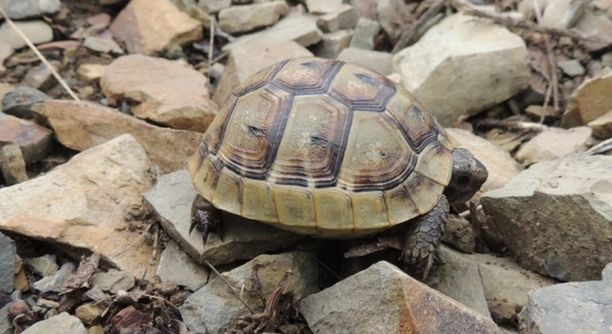
Is your Russian tortoise avoiding its water dish? This behavior can be puzzling, but understanding why it’s happening can help you address the issue and ensure your pet stays healthy and hydrated.
There are several reasons your Russian tortoise may avoid its water dish, such as stress, an inappropriate water dish size, or a lack of hydration in its environment. Understanding these factors can help you resolve the issue.
By identifying the root cause, you can make adjustments to your tortoise’s setup and improve its behavior. Knowing the best practices for water availability will ensure a happier, healthier tortoise.
Stress or Anxiety Can Cause Disinterest in Water
Stress is a common factor that could make your tortoise avoid its water dish. If your tortoise is feeling stressed, it may not be interested in drinking or eating. This could be triggered by a sudden change in the environment, loud noises, or too many people or pets around its enclosure. Russian tortoises are naturally shy, so when their habitat feels overwhelming, they might not feel comfortable drinking water. Keeping their space calm and quiet can help them feel safer and more at ease.
Another factor that can increase stress is improper handling. If you are moving your tortoise too often or disrupting its daily routine, it could become stressed and avoid the water dish. It’s important to respect their need for space, and try to limit interactions that could overwhelm them.
Keeping your tortoise’s environment calm and stable will help reduce stress. A quiet, predictable routine allows your pet to relax, which can encourage healthy habits, like drinking more water.
Size and Accessibility of the Water Dish
Sometimes the size or shape of the water dish can be an issue for your tortoise. If the dish is too large or deep, your tortoise may feel unsafe when trying to access it. Russian tortoises prefer shallow dishes that allow them to drink comfortably without feeling trapped. On the other hand, a dish that’s too small may not provide enough water for them to drink from.
In addition to size, the placement of the dish is also important. It should be placed in a location where your tortoise feels comfortable reaching it, ideally near its favorite basking spot. You should also check the water’s cleanliness regularly. Dirty or stagnant water can discourage your tortoise from drinking, so always provide fresh, clean water in the dish.
Providing a shallow, easy-to-reach water dish in a safe spot encourages your tortoise to stay hydrated. With proper care, your tortoise will likely use the dish more often.
Temperature and Humidity Can Affect Water Consumption
Temperature plays a major role in your tortoise’s drinking habits. If the enclosure is too hot or dry, your Russian tortoise might not feel the need to drink as much. Proper humidity and temperature levels are essential for their well-being. If the air is too dry, your tortoise may avoid the water dish as it may not feel the urge to hydrate.
Maintaining the right humidity level is crucial for your tortoise’s hydration. This means ensuring that the habitat is not too hot or too dry, but at the proper range. Additionally, adding humidity with a shallow water dish or a small misting system can help encourage drinking. A proper balance of temperature and humidity will support their natural instincts to drink water when needed.
Paying attention to temperature and humidity will make a big difference in how often your tortoise drinks. Be sure to check your enclosure’s conditions regularly.
Health Issues Can Lead to Reduced Drinking
Health problems can make your tortoise avoid its water dish. If your tortoise is feeling unwell, it may not have the energy or desire to drink water. Infections, parasites, or internal issues can cause a decrease in thirst.
If your tortoise is acting lethargic or seems to be avoiding food and water for an extended period, a visit to the vet is recommended. Some common health issues like respiratory infections or shell problems can make it uncomfortable to drink. Keep an eye on other signs of illness, such as difficulty breathing, swollen eyes, or changes in behavior.
Early detection is key to preventing serious health problems. If your tortoise is showing any unusual behavior, it’s important to have it checked by a vet. This way, you can address potential health issues before they become more severe, and your tortoise will be more likely to drink regularly again.
Environmental Factors May Influence Behavior
The environment in which your tortoise lives can impact its water-drinking habits. If the habitat is too dry or lacks natural sunlight, your tortoise may be reluctant to drink. Russian tortoises need a specific temperature and humidity range to thrive.
If the enclosure is too hot or too cold, your tortoise may not feel comfortable drinking water. Additionally, if the enclosure doesn’t have enough hiding places or climbing structures, your tortoise might feel unsafe or stressed. Ensure that the habitat is a comfortable, safe place for your tortoise. It should have a basking area, a cooler area, and access to UVB light.
A well-balanced environment promotes healthy behavior in your tortoise, including drinking water. Adjusting the setup can reduce stress and encourage proper hydration, allowing your tortoise to feel at ease.
Improper Hydration Sources
If your tortoise is avoiding its water dish, it could be because it’s not used to drinking from a bowl. In the wild, they typically get water from vegetation or dew. Your tortoise might prefer more natural hydration sources.
Try offering a shallow dish with fresh greens or vegetables that contain high moisture content, such as cucumbers or leafy greens. This can help your tortoise stay hydrated while encouraging it to drink. You can also mist the enclosure lightly to mimic natural moisture in their habitat. This could make drinking more familiar and comfortable.
Dish Placement
The location of your tortoise’s water dish is important. If the dish is placed in an area that feels unsafe or uncomfortable, your tortoise may avoid it.
Place the dish in a quiet corner or near a favorite spot where your tortoise feels secure. It should be easy to access, without any obstacles that might discourage drinking. This will make it more likely that your tortoise will use it regularly.
Overfeeding Can Lead to Dehydration
Overfeeding your tortoise can lead to dehydration. If your tortoise is eating too much, it might not feel the need to drink as frequently. This can especially happen if its diet is high in dry foods that don’t contain much moisture.
To avoid this, make sure your tortoise’s meals are balanced and not excessive. Include plenty of fresh, hydrating vegetables like lettuce, kale, and herbs. This ensures your tortoise gets the hydration it needs from its food, and will help encourage drinking from the water dish as well.
FAQ
Why is my Russian tortoise not drinking water?
There are several reasons why your Russian tortoise might not be drinking water. Stress is a common factor, especially if there are sudden changes in its environment or if the habitat feels unsafe. Another possibility is that the water dish may not be the right size or in a location your tortoise feels comfortable with. Poor health can also cause your tortoise to avoid drinking, as it may not feel like drinking when it’s unwell. Finally, improper hydration sources or overfeeding can play a role. If your tortoise is getting enough moisture from its food or if it’s consuming too much dry food, it might not feel the need to drink as often.
What is the best water dish for a Russian tortoise?
The best water dish for a Russian tortoise is one that is shallow, easy for them to access, and clean. Russian tortoises do not swim, so the water dish should be low enough for them to drink from comfortably without feeling trapped. Choose a dish that is wide enough to give them space but not so deep that they might accidentally tip over. Make sure to change the water frequently to keep it fresh, as dirty water can discourage them from drinking.
Can a Russian tortoise survive without water?
Russian tortoises can survive without water for a short period, but it’s not ideal for their health. Like all reptiles, they need water to stay hydrated. While they can get some moisture from food, especially leafy greens, they still require a clean water source to drink from. Dehydration can lead to health problems like kidney issues, constipation, and other complications. It’s important to ensure that your tortoise always has access to fresh water.
How often should I offer water to my Russian tortoise?
You should always offer fresh water to your Russian tortoise daily. While they may not drink large amounts at once, it’s important to provide them with a consistent source of hydration. You can also mist the enclosure lightly, especially in dry conditions, to increase humidity and encourage drinking. Always check that the water dish is clean and in a spot where your tortoise feels safe and comfortable.
Can the temperature of the water affect my tortoise’s drinking habits?
Yes, the temperature of the water can affect your tortoise’s drinking habits. Cold water may discourage drinking, as it can be uncomfortable for them. On the other hand, water that is too warm can be off-putting. Ideally, the water should be at room temperature or slightly cool. Make sure the water is fresh and at a comfortable temperature for your tortoise to drink.
How do I know if my Russian tortoise is dehydrated?
Signs of dehydration in a Russian tortoise include dry or wrinkled skin, sunken eyes, and a lack of energy. You may also notice that your tortoise is not eating or drinking as usual, or it may seem lethargic. If you suspect dehydration, it’s important to address the issue promptly by offering water and adjusting its diet and environment. In severe cases, dehydration can lead to more serious health problems, so consult a vet if you notice these signs.
Can I give my Russian tortoise water through a syringe?
While you can offer water to a dehydrated tortoise using a syringe, this should not be a regular method of hydration. If your tortoise is refusing to drink, it may be stressed or ill. You can offer water gently by dripping it on its nose or using a syringe to provide small amounts at a time. However, it’s essential to focus on making its water dish accessible and adjusting the environment to encourage natural drinking behavior.
Should I add anything to the water for my tortoise?
It’s generally not necessary to add anything to your tortoise’s water. Fresh, clean water is the best choice for hydration. However, you can occasionally add a reptile-safe electrolyte solution if your tortoise appears to be severely dehydrated or stressed. Always make sure to use products that are safe for reptiles, and consult with a vet before introducing anything new to your tortoise’s diet or water.
How can I encourage my tortoise to drink more water?
To encourage your tortoise to drink more water, make sure the water dish is in a location where it feels safe and accessible. Ensure the temperature and humidity in the enclosure are optimal, as dry environments can discourage drinking. You can also offer moist foods like cucumbers, watermelon, or leafy greens that contain high water content. Mist the enclosure lightly to raise humidity and keep your tortoise comfortable.
Can overfeeding cause my tortoise to stop drinking water?
Yes, overfeeding can sometimes reduce your tortoise’s desire to drink water. If your tortoise is consuming a lot of dry food or overeating, it may feel less thirsty. A balanced diet with enough fresh vegetables and foods high in water content will help ensure that your tortoise gets the hydration it needs. It’s important not to overfeed and to provide a variety of foods that support both its hydration and nutritional needs.
Final Thoughts
Ensuring your Russian tortoise stays hydrated is essential for its health and well-being. A lack of water can lead to dehydration, which can cause various health issues like kidney problems, constipation, and lethargy. By paying attention to the different factors that might affect your tortoise’s water intake, you can address potential issues early and help your tortoise thrive. Keep in mind that tortoises have specific needs when it comes to hydration and their environment, so small adjustments to their setup can make a big difference.
If your tortoise is avoiding its water dish, it could be due to stress, illness, or even the size and placement of the dish itself. It’s important to ensure the water dish is shallow enough for your tortoise to access easily and placed in a quiet, comfortable area of the enclosure. Additionally, maintaining proper humidity and temperature levels will encourage your tortoise to drink more frequently. Sometimes, the key to getting your tortoise to drink is simply making its environment feel more secure and natural.
Ultimately, every tortoise is different, and it may take some trial and error to find the right approach. Regularly check for signs of dehydration, and if your tortoise refuses to drink for an extended period, it’s important to consult with a veterinarian. By providing a stable and safe environment, offering fresh water daily, and ensuring that their diet is balanced, you’ll help your Russian tortoise stay healthy and hydrated for years to come.

Hello,
If you enjoy the content that we create, please consider saying a "Thank You!" by leaving a tip.
Every little bit helps us continue crafting quality advice that supports the health, happiness, and well-being of pets around the world, for pets of all shapes, sizes, and species.
We really appreciate the kindness and support that you show us!