
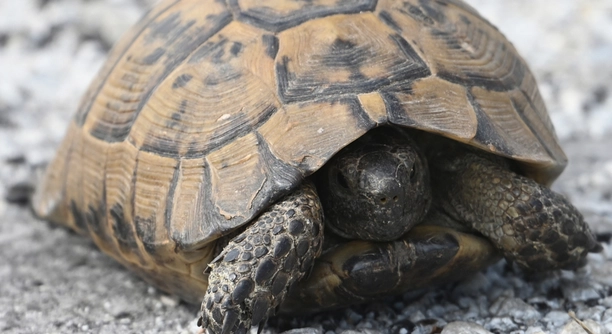
Russian tortoises require specific care to stay healthy, including proper lighting to support their natural behaviors. UVB light is one of the key components of their well-being, influencing their ability to absorb calcium and maintain a healthy shell.
UVB light is crucial for the health of Russian tortoises. Insufficient UVB exposure can lead to calcium deficiency, causing shell deformities and weakened bones. Ensuring your tortoise receives adequate UVB light is essential for their overall health and growth.
By understanding the signs of insufficient UVB, you can make sure your tortoise thrives. Let’s explore the details and solutions that will help keep your pet’s environment optimal for their well-being.
Importance of UVB Light for Your Russian Tortoise
UVB light plays a critical role in the health of your Russian tortoise. It helps them produce vitamin D3, which is essential for calcium absorption. Without enough UVB, tortoises can develop metabolic bone disease, leading to weakened bones and shell deformities. The UVB rays mimic natural sunlight, helping your tortoise maintain its bones, shell, and overall health. Tortoises are naturally exposed to UVB when they roam outside under the sun, so replicating this condition in captivity is essential. A proper UVB light source is necessary to ensure they get the right amount of exposure.
If your tortoise doesn’t get enough UVB, they will struggle to absorb calcium. This deficiency can lead to serious health issues like soft shells and difficulty moving.
To prevent this, you need to provide your tortoise with a UVB light. A bulb should be replaced regularly, as the UVB output fades over time. You should also keep the light at the right distance from your tortoise to ensure it reaches them effectively. Without a proper UVB setup, your tortoise’s health will deteriorate quickly.
How to Tell If Your Tortoise Needs More UVB
If your tortoise seems lethargic or has trouble moving, it might not be getting enough UVB light. Other signs of UVB deficiency include a soft or deformed shell.
Proper lighting is critical for your tortoise’s well-being. If you notice these signs, it’s important to check if the UVB light is working properly. Even if your tortoise’s environment seems suitable, over time, UVB bulbs lose effectiveness. Regularly replacing bulbs and positioning them correctly can prevent issues before they get serious. It’s also important to consider the light’s intensity and the amount of time your tortoise is exposed to it each day.
Signs of UVB Deficiency in Russian Tortoises
When your Russian tortoise is not getting enough UVB light, you may notice signs like poor appetite, weakness, or lack of activity. Their shell may become soft or slightly deformed as well, signaling a calcium deficiency. These are clear signs that the lighting needs adjustment.
If your tortoise’s shell becomes soft or the bones feel fragile, it’s an indication that their calcium levels are low. UVB is needed to help them process calcium properly. Without adequate UVB, their health can quickly decline, making it harder for them to stay strong.
If your tortoise shows signs of trouble walking, or if you notice a flattened or soft shell, it’s crucial to adjust their lighting setup immediately. These signs of UVB deficiency can progress into severe health issues if left unchecked, making regular monitoring of your tortoise’s environment essential for their well-being.
Correct UVB Light Placement
Positioning the UVB light correctly is essential for your tortoise’s health. The bulb should be placed about 10-12 inches above the basking area to ensure that your tortoise receives the right amount of UVB exposure.
If the UVB light is placed too far away, the rays won’t reach your tortoise effectively, making it harder for them to absorb calcium. You’ll need to adjust the height of the light based on the type of bulb you’re using. Ensure that your tortoise has access to the light during the day for at least 10-12 hours to replicate natural sunlight.
It’s also important to check that your UVB bulb is positioned in a way that your tortoise can bask under it properly. A basking spot beneath the light allows your tortoise to absorb heat while benefiting from the UVB rays. Regularly testing the distance and intensity of your UVB light will help keep your tortoise healthy and thriving.
UVB Lighting Duration
For your Russian tortoise to thrive, it’s essential to keep the UVB light on for around 10-12 hours each day. Consistent exposure is necessary for vitamin D3 production, which aids in calcium absorption. Without this daily cycle, your tortoise may experience health problems.
Ensure the light is turned off during the night to mimic natural day-night cycles. This helps your tortoise maintain a healthy sleep pattern and prevents stress.
UVB Bulb Lifespan
UVB bulbs lose their effectiveness over time. Typically, a UVB bulb needs to be replaced every 6-12 months, depending on the type and brand. Even if the light still appears bright, its UVB output will have diminished.
Keeping track of the bulb’s lifespan and replacing it regularly will help maintain optimal health for your tortoise. Failure to replace the bulb on time can result in UVB deficiency, leading to poor health. Be sure to monitor the condition of the bulb and change it on schedule to avoid long-term problems.
FAQ
How can I tell if my UVB light is working properly?
The simplest way to test if your UVB light is working is by using a UVB meter, which measures the intensity of UV rays. You can also observe your tortoise’s behavior. If they are showing signs of lethargy, weakness, or shell issues, it might be a sign that the UVB output is too low. Additionally, check the light’s age; UVB bulbs lose effectiveness over time and will need to be replaced even if the light still seems to work.
Can I use a regular light bulb instead of a UVB bulb?
No, a regular light bulb cannot replace a UVB bulb. Regular light bulbs provide heat and visible light but do not emit the necessary UVB rays that your tortoise needs. UVB light is specifically designed to help your tortoise absorb calcium and produce vitamin D3, which regular bulbs do not provide. Always use a UVB bulb to ensure your tortoise’s health.
How long should my Russian tortoise be under the UVB light each day?
Your tortoise should have access to UVB light for about 10-12 hours each day. This mimics the natural sunlight cycle and is essential for maintaining healthy bones and shell. It’s best to turn the light off at night to provide your tortoise with a natural day-night rhythm. Consistent exposure is key to their overall well-being.
Can my tortoise get enough UVB from natural sunlight?
Yes, natural sunlight is the best source of UVB. If you can safely allow your tortoise to spend time outside in the sun, this is ideal. However, during colder months or if you can’t provide outdoor time, a UVB bulb can be used to supplement their needs. Be sure that your tortoise can bask in the sun for at least a couple of hours a day if you are relying on natural light.
What are the risks of not providing enough UVB light for my tortoise?
Without proper UVB light, your Russian tortoise may develop a condition called metabolic bone disease. This causes weakened bones, shell deformities, and overall poor health. They may also suffer from calcium deficiency, which can lead to muscle weakness and difficulty moving. Long-term UVB deficiency can significantly shorten your tortoise’s lifespan, so proper lighting is crucial.
Is there a difference between UVB bulbs for reptiles?
Yes, there are different types of UVB bulbs available for reptiles. Some provide a higher output of UVB, while others offer a lower intensity. It’s important to choose a bulb with the correct UVB spectrum (usually UVB 10.0 or UVB 5.0) depending on your tortoise’s needs and the size of their habitat. Tortoises, like Russian tortoises, generally benefit from a higher intensity UVB bulb. Always check the packaging for information on the recommended distance and wattage for your tortoise’s enclosure.
Can I use a fluorescent UVB light for my tortoise?
Yes, a fluorescent UVB bulb can work well for your Russian tortoise. These bulbs are widely used because they provide steady, reliable UVB light. Make sure to replace them regularly, as their output decreases over time. Fluorescent UVB bulbs are generally good for providing both UVB and light in a tortoise’s enclosure, but be sure to place the bulb at the proper distance to ensure adequate exposure.
How do I position the UVB light in my tortoise’s enclosure?
The UVB light should be positioned about 10-12 inches above your tortoise’s basking spot to ensure they get enough UV rays. Avoid placing it too far away, as the UVB light will lose strength over distance. The basking area should be directly beneath the UVB light, as tortoises rely on both heat and UVB to stay healthy.
Can I use a heat lamp along with the UVB light?
Yes, a heat lamp can be used in conjunction with the UVB light to provide the warmth your tortoise needs to regulate their body temperature. However, the heat lamp and UVB light should be placed separately to allow your tortoise to move between both, so they can bask in warmth and also receive UVB rays. Just ensure that the temperature in the basking area remains within the ideal range for your tortoise.
Do I need to provide UVB lighting at night?
No, UVB lighting should be turned off at night. Tortoises, like all animals, need a rest period with a natural day-night cycle. Keeping the light on at night can disrupt their sleep patterns and may cause stress. During the night, it’s essential for your tortoise to rest in darkness, as they don’t need UVB exposure while sleeping.
Final Thoughts
Ensuring your Russian tortoise has the right amount of UVB light is key to its overall health. UVB helps your tortoise absorb calcium and produce vitamin D3, which are necessary for strong bones and a healthy shell. Without it, your tortoise can develop serious health issues like metabolic bone disease. By carefully managing your tortoise’s exposure to UVB light, you are taking an essential step in preventing these problems. Consistency is important, whether you are using a UVB bulb or providing natural sunlight.
While setting up UVB lighting is vital, it is not the only factor in your tortoise’s care. You should also monitor the temperature of their environment and ensure they have a proper diet. A balanced diet that includes fresh vegetables and a calcium supplement will support their bone health. Make sure to keep their habitat clean and spacious enough for them to move around. UVB light should complement a healthy diet and living space to help your tortoise thrive.
If you notice any signs of illness, such as lethargy, difficulty moving, or shell deformities, check your tortoise’s UVB exposure right away. It’s easy to overlook these signs, but they are an early warning that something might be wrong. Regularly replacing UVB bulbs, ensuring proper placement, and following a consistent light schedule will all contribute to your tortoise’s well-being. By paying attention to their lighting needs, you’ll help your tortoise live a healthier and longer life.

Hello,
If you enjoy the content that we create, please consider saying a "Thank You!" by leaving a tip.
Every little bit helps us continue crafting quality advice that supports the health, happiness, and well-being of pets around the world, for pets of all shapes, sizes, and species.
We really appreciate the kindness and support that you show us!