
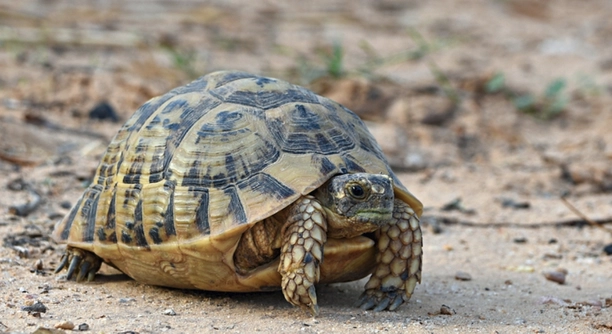
Russian tortoises are hardy reptiles, but sometimes they may show signs of skin flaking. This can be worrying for any pet owner, especially if you’re unsure what is causing the issue.
Skin flaking in Russian tortoises is usually caused by improper humidity levels, shedding, dehydration, or an underlying health issue. In some cases, fungal or bacterial infections may be to blame. It’s important to monitor their care routine.
Addressing the causes of skin flaking can help improve your tortoise’s health. Understanding these factors ensures that you can make the necessary adjustments to keep your pet comfortable and healthy.
Dry Environment or Improper Humidity
One of the main reasons for skin flaking in Russian tortoises is an environment that is too dry. These reptiles need a specific humidity level to stay healthy. When the humidity is too low, their skin becomes dry and starts to peel. To avoid this, it’s important to maintain a humidity level of around 50-60%. If your tortoise’s habitat is too dry, the outer layer of skin might begin shedding prematurely. In addition to the humidity, ensure that the temperature is also right for your tortoise. A basking spot should reach around 90°F, with cooler areas at 75-80°F.
If you notice your tortoise’s skin flaking, check the humidity and temperature levels. These factors are easy to adjust and can help prevent more severe issues.
Maintaining the right humidity is not just about comfort; it’s essential for preventing dehydration, shedding problems, and skin damage. Regularly misting the enclosure can help increase humidity. You may also want to consider using a humidifier, especially if your home is naturally dry.
Dehydration and Inadequate Diet
Dehydration is another reason why your tortoise’s skin may be flaking. If your tortoise is not drinking enough water or eating foods with low moisture content, it may experience dry skin. Offer fresh water regularly and soak your tortoise in warm water for 15 to 20 minutes to encourage hydration. Feeding them a diet rich in leafy greens and high-moisture vegetables, like cucumbers or lettuce, also helps with hydration.
An unhealthy diet can also lead to poor skin quality. A balanced diet is key for your tortoise’s overall health, which includes avoiding too much fruit or processed foods. Healthy skin begins with a solid nutritional foundation.
Fungal or Bacterial Infections
Skin flaking in Russian tortoises can sometimes result from fungal or bacterial infections. These can cause sores, lesions, or scaling on the skin. If your tortoise has open wounds or signs of infection, it’s important to seek veterinary care. Infections can spread quickly and worsen the condition of your pet.
Infections typically occur when the tortoise’s environment isn’t clean, or if they are exposed to harmful bacteria or fungi. Poor hygiene, such as infrequent cleaning of the enclosure or water, can lead to these problems. Make sure your tortoise’s living area is sanitized regularly to avoid bacterial buildup.
If your tortoise develops an infection, it might require antibiotics or antifungal treatments prescribed by a vet. You should never attempt to treat infections without professional advice, as incorrect treatment can make the problem worse. Regular vet check-ups can prevent these issues from becoming serious.
Shedding and Growth
Russian tortoises shed their skin as they grow. Sometimes, flaking is simply a natural part of this process. When a tortoise is young, they shed more frequently, while adults shed less often. The skin should come off in small pieces, not large patches, if shedding is normal.
If the shedding is excessive or occurs in large, irregular chunks, it might signal an underlying health issue. Make sure that your tortoise is in the right conditions for shedding. A warm basking spot and appropriate humidity can help facilitate proper shedding, ensuring their skin stays healthy.
Mites or Parasites
Mites or other external parasites can cause skin problems in Russian tortoises, including flaking. These tiny pests irritate the skin, leading to shedding and discomfort. If you notice excessive scratching or visible pests on the skin, it’s time for an inspection.
To prevent parasites, keep your tortoise’s environment clean and regularly check for signs of mites. You may need to consult a vet for treatment options, such as medications or cleaning protocols.
Stress and Environmental Changes
Changes in your tortoise’s environment, like moving to a new enclosure or changes in daily routine, can lead to stress. This stress affects their skin health and can cause flaking. Ensure that the habitat is calm and stable.
A consistent environment helps your tortoise feel secure, which reduces stress and skin issues.
FAQ
What is the normal shedding process for a Russian tortoise?
Shedding is a natural process for Russian tortoises, particularly when they are growing. The frequency of shedding decreases as they age. Young tortoises tend to shed more often, sometimes every few weeks, while adults may shed less frequently. Normal shedding should look like small, thin flakes coming off, not large patches of skin. If your tortoise is shedding excessively, it could be due to improper humidity or other environmental factors.
How can I improve the humidity in my tortoise’s enclosure?
To maintain proper humidity for your Russian tortoise, you should keep the humidity level between 50-60%. You can use a humidifier or mist the enclosure with water daily. Another option is to place a shallow water dish inside the habitat, which can increase humidity. Ensure the enclosure is well-ventilated to avoid mold or bacteria growth. Regularly monitor the humidity with a hygrometer to make adjustments when needed.
What are the signs of dehydration in a Russian tortoise?
Dehydration in Russian tortoises can be shown by dry, flaky skin, sunken eyes, and a lack of appetite. If your tortoise is not drinking enough water or eating foods with high moisture content, it can lead to these symptoms. Offer fresh water daily and soak your tortoise in warm water for 15-20 minutes to encourage hydration. Ensure the diet includes hydrating vegetables like cucumbers and leafy greens.
Should I be concerned if my tortoise’s skin is flaking during hibernation?
It is normal for a tortoise’s skin to flake during hibernation as they naturally shed their skin. However, if the skin appears excessively dry or there are signs of infection, it is important to monitor the situation closely. If the flaking continues after hibernation, it could signal underlying issues like dehydration, poor nutrition, or infections. It’s a good idea to check on your tortoise’s skin health before and after hibernation to ensure they are in good condition.
Can I treat my tortoise’s skin flaking at home?
It’s possible to treat mild skin flaking at home by ensuring proper humidity, hydration, and diet. Soaking your tortoise in warm water can also help with skin issues. However, if there are signs of infection, extreme dryness, or if the skin flaking is severe, a vet visit is necessary. A vet may prescribe topical treatments or medications to resolve more serious skin conditions.
How can I prevent fungal or bacterial infections in my tortoise?
To prevent fungal or bacterial infections, maintain a clean living environment. Clean the enclosure and replace the bedding regularly. Disinfect water dishes and food containers. Ensure the temperature and humidity levels are appropriate for your tortoise’s needs. If you suspect an infection, consult a vet for diagnosis and treatment options to avoid further health complications.
What should I do if my tortoise has open sores or lesions on its skin?
If your tortoise has open sores or lesions, it could indicate an infection or injury. It’s important to clean the affected area gently with a diluted saline solution. Avoid using harsh chemicals or ointments unless advised by a vet. Take your tortoise to a reptile vet for an accurate diagnosis and treatment plan, as untreated infections can spread quickly.
Can stress cause skin problems in Russian tortoises?
Yes, stress can lead to skin issues in Russian tortoises. Stressful environments, such as frequent changes in temperature, handling, or noise, can affect their health, including causing skin flaking. To reduce stress, ensure your tortoise’s habitat is quiet, stable, and provides enough space. Keep the lighting, temperature, and humidity consistent to help your tortoise feel secure.
How often should I clean my Russian tortoise’s enclosure?
To prevent bacteria and fungi growth, clean your tortoise’s enclosure once a week. Remove uneaten food, soiled bedding, and any waste regularly. Sanitize the enclosure with reptile-safe cleaners and disinfectants to maintain a healthy environment. Cleaning the water dish daily and ensuring the substrate is dry and clean will help prevent skin issues and infections.
When should I take my tortoise to the vet for skin problems?
If your tortoise’s skin flaking continues despite improvements in humidity, hydration, and diet, it may be time to consult a vet. You should also seek help if you notice signs of infection, such as swelling, redness, pus, or unusual behavior. Early veterinary intervention can prevent more serious complications and improve your tortoise’s health.
Final Thoughts
Dealing with skin flaking in your Russian tortoise can be concerning, but understanding the possible causes is the first step toward finding a solution. Whether it’s due to environmental factors like humidity or temperature, dehydration, or more serious issues such as infections or parasites, it’s important to carefully observe your tortoise’s behavior and surroundings. Regularly monitoring the humidity and temperature in your tortoise’s enclosure can go a long way in preventing skin problems. A balanced diet and proper hydration are equally important for maintaining your pet’s overall health.
If the skin flaking seems to be part of the natural shedding process, then it may not be a cause for concern. However, if the flaking is excessive, occurs in large patches, or is accompanied by signs of infection like open sores or swelling, it’s a good idea to seek professional help. A vet can provide guidance on the best course of action, whether it’s adjusting their living conditions or treating a potential health issue. It’s always better to be proactive rather than wait for the problem to get worse.
Ultimately, the key to preventing skin issues in Russian tortoises lies in consistent care and observation. Maintaining a clean, stable environment, offering proper hydration, and ensuring a nutritious diet are essential for keeping your tortoise healthy and happy. By understanding the factors that contribute to skin flaking, you can take steps to resolve the issue and improve your tortoise’s quality of life. Regular vet visits also help catch any underlying problems early, ensuring your tortoise’s skin remains in the best condition possible.

Hello,
If you enjoy the content that we create, please consider saying a "Thank You!" by leaving a tip.
Every little bit helps us continue crafting quality advice that supports the health, happiness, and well-being of pets around the world, for pets of all shapes, sizes, and species.
We really appreciate the kindness and support that you show us!