
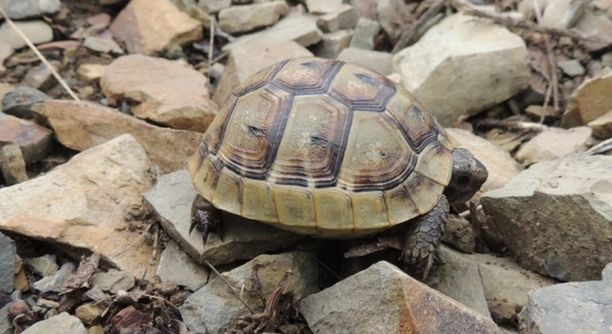
A Russian tortoise is a unique and fascinating pet. However, sometimes their behavior can leave owners scratching their heads. If your tortoise is kicking its food away, you may be wondering what might be causing this odd action.
The primary reason your Russian tortoise is kicking its food away is that it may not be hungry, or it could be trying to establish its territory. Tortoises are known to display this behavior when they feel stressed or overwhelmed.
Understanding why your tortoise is displaying this behavior can help you address its needs and improve its overall well-being.
Reasons Your Russian Tortoise May Be Kicking Its Food Away
Sometimes, tortoises kick their food away because they are not interested in eating at the moment. If your Russian tortoise is active and healthy, it could simply not be hungry. These tortoises have a relatively slow metabolism, and their feeding patterns can change depending on the time of year or environmental factors. A tortoise may also push food away when it feels that its environment is too loud, busy, or unfamiliar. For instance, if there are other animals nearby or a lot of human activity, the tortoise might feel stressed and reject its meal.
If your tortoise is young or recently introduced to your home, the kicking behavior may also stem from unfamiliar surroundings. A new pet might need time to adjust before it feels comfortable eating in its new environment. As your Russian tortoise settles into its home, it may start eating more regularly.
When it comes to picky eaters, remember that tortoises have their preferences. They might not always like certain foods or textures, which can result in kicking food away. Experiment with different types of food to find what your tortoise enjoys most.
Stress and Anxiety
Stress plays a significant role in how your tortoise interacts with its food. A stressed tortoise is likely to refuse food, and kicking it away can be a sign of discomfort. Factors like temperature, lighting, and even the enclosure setup can influence how calm your tortoise feels.
Temperature fluctuations can cause your tortoise to go into brumation, a state of dormancy similar to hibernation. During brumation, your tortoise may eat very little or not at all, which is normal. The lack of eating can be mistaken for food rejection, but it’s just a natural response to changes in the environment.
Ensure that your tortoise’s enclosure provides a consistent temperature and humidity level. A basking spot with appropriate heat can encourage your tortoise to feel more comfortable and active, leading to regular eating patterns. If there is a dramatic change in behavior, check the environmental conditions and make adjustments as needed.
The Right Food
Another reason your tortoise might be pushing its food away is that it doesn’t like what is being offered. Russian tortoises are herbivores, and their diet consists mainly of leafy greens, grasses, and some vegetables. They may turn their noses up at food that doesn’t meet their preferences, particularly if it is too dry or too tough to chew.
It’s essential to offer a variety of foods to ensure your tortoise gets the necessary nutrients. Try offering a mix of dandelion greens, collard greens, and various vegetables. If your tortoise rejects certain foods, don’t be discouraged—just try something else. Keep an eye on what your tortoise prefers over time, and stick to those items for a more successful feeding routine.
Make sure the food is fresh and clean. Moldy or spoiled food can cause a tortoise to refuse eating. Offering fresh food in small portions can help your pet feel more comfortable and willing to eat. Over time, your Russian tortoise will become more accustomed to its meals and less likely to kick food away.
Feeding Schedule
Having a consistent feeding schedule helps your tortoise understand when to expect food. Tortoises thrive on routine, and not sticking to a regular feeding time might confuse or stress them. If food is offered erratically, it can lead to your tortoise rejecting it, as it may feel uncertain about when meals will happen.
Establish a feeding schedule by offering food at the same time each day. If your tortoise is still not interested in food, try giving it a few minutes of calm time before offering the meal. This helps your pet feel secure, knowing that it will get food regularly. Your Russian tortoise will begin to recognize the pattern, making it easier to feed over time.
It’s also important to avoid overfeeding. Offering food too often can cause your tortoise to refuse meals. Stick to a schedule, and don’t provide more food than your tortoise can eat in one sitting. This approach will help your pet feel secure and understand when it is expected to eat.
Enclosure Size
A cramped enclosure can lead to stress, causing your tortoise to act out, including pushing food away. A smaller space doesn’t provide enough room for your tortoise to roam and engage in natural behaviors, making it more likely to show signs of discomfort.
When setting up your tortoise’s home, ensure that it has ample space for movement. A larger enclosure gives your pet room to explore and find its food, reducing stress and promoting eating. It’s also important that the enclosure has hiding spots, as these offer a sense of safety. Tortoises are naturally shy and benefit from having spaces to retreat to.
Ensure that your tortoise’s enclosure is large enough to allow for a proper basking area, as well as cool spaces for resting. The more comfortable your tortoise feels, the less likely it will be to exhibit food-kicking behavior.
Health Issues
Health problems can also cause your tortoise to push its food away. Illness or discomfort makes eating less appealing for many animals, including tortoises. If your tortoise is showing signs of avoiding food, it might be dealing with an underlying health issue.
Common health problems, such as respiratory infections or digestive issues, can make eating difficult or painful. If your tortoise is consistently refusing food, look for other signs of illness, like lethargy, nasal discharge, or abnormal shell conditions. If these symptoms appear, take your tortoise to a reptile veterinarian for a proper diagnosis.
Overfeeding
Overfeeding is another issue that may cause your tortoise to refuse its food. If your tortoise is consistently given too much food, it may simply not be hungry enough to eat. Ensure you’re offering the right amount, and don’t overfeed.
Each tortoise has different dietary needs, depending on its size and age. Offering food based on its specific requirements will help prevent overfeeding. Avoid leaving food in the enclosure for too long, as it could lead to waste or spoilage. Stick to a feeding schedule to avoid overwhelming your pet.
Food Type
Tortoises can be picky eaters, and they may reject food if it doesn’t meet their preferences. While they eat a variety of greens and vegetables, they may avoid certain items based on taste or texture. Pay attention to what foods they like best.
Experiment with different food options like dandelion greens, collard greens, or kale. Make sure the food is fresh and cut into manageable pieces for your tortoise. If your tortoise still refuses, it might need a bit more variety in its diet to get it eating regularly.
FAQ
Why is my Russian tortoise not eating at all?
If your Russian tortoise is not eating, it could be due to stress, an improper environment, or health issues. A sudden change in temperature or lighting could make your tortoise feel uncomfortable and less likely to eat. Additionally, health issues like respiratory infections or digestive problems can cause loss of appetite. Make sure the enclosure is at the right temperature, humidity, and has enough space for your tortoise to feel secure. If the problem persists, consult a vet.
Can I try hand-feeding my tortoise to encourage it to eat?
Hand-feeding your tortoise can sometimes help encourage it to eat, especially if it feels safe with you. Gently offering food with your hand may spark curiosity and show it that food is available. However, this is only a temporary solution. It’s important to address any underlying issues like stress or health problems. Over time, your tortoise will likely get back to eating from its dish once it feels secure.
Is it normal for my tortoise to refuse food after being moved to a new tank?
Yes, it is quite common for tortoises to stop eating when introduced to a new environment. The move itself can cause stress, which leads to a temporary loss of appetite. It’s important to allow your tortoise time to adjust. Ensure the new environment is as close to its previous one as possible in terms of temperature, humidity, and habitat setup to reduce stress. If your tortoise refuses food for an extended period, check for health issues or take it to a vet.
What are some signs that my tortoise is stressed?
Tortoises show signs of stress in various ways, including refusing food, hiding more than usual, or becoming more active and agitated. They may also exhibit behaviors like digging excessively, pacing around the enclosure, or becoming withdrawn. Environmental factors like loud noises, a lack of hiding spots, or improper temperature can contribute to stress. If you notice these behaviors, adjust the environment to make it more comfortable and monitor your tortoise’s health.
Can food variety help my tortoise eat better?
Yes, offering a variety of foods can encourage your tortoise to eat. Russian tortoises, in particular, enjoy a mix of leafy greens, grasses, and vegetables. Experiment with different options, such as dandelion greens, kale, or collard greens, to see what your tortoise prefers. Changing the food periodically can make it more interesting and can help ensure that your tortoise receives a balanced diet.
How often should I feed my Russian tortoise?
Russian tortoises should generally be fed every other day, though this can vary depending on their age, size, and health. Younger tortoises may need to eat daily, while adults may only need food every 2-3 days. Always offer fresh food and remove any uneaten portions to avoid spoilage. Stick to a regular feeding schedule to maintain consistency and help your tortoise feel comfortable.
Could brumation be affecting my tortoise’s eating habits?
Yes, brumation can cause your Russian tortoise to eat very little or stop eating altogether. During colder months, some tortoises enter a state similar to hibernation, known as brumation, where they significantly reduce their activity and appetite. It’s important to ensure that your tortoise is healthy before brumation starts. If your tortoise stops eating for weeks and shows signs of lethargy, it could be brumating, which is generally normal for this species.
What should I do if my tortoise keeps kicking its food away?
If your tortoise is persistently kicking food away, it could be a sign of several factors, including stress, overfeeding, or food that doesn’t suit its taste. Make sure the food is fresh, varied, and properly sized. Check the temperature, lighting, and overall environment to ensure it’s comfortable. Reducing any stressors or disturbances will also help. If these factors don’t improve the situation, take your tortoise to the vet to rule out health concerns.
Is there a risk of my tortoise not eating enough?
Yes, there is a risk if your tortoise refuses to eat for an extended period. This can lead to malnutrition or dehydration, which can be harmful. If your tortoise goes without food for more than a few days, especially if it’s showing signs of weight loss or lethargy, it’s important to seek veterinary help. Ensure that your tortoise is eating regularly and that its diet is balanced to meet its nutritional needs. Keep an eye on its behavior and consult a vet if there are any concerns.
Should I give my tortoise supplements if it’s not eating enough?
Supplements should only be used if your tortoise isn’t eating a balanced diet and has been diagnosed with a deficiency. Offering calcium and vitamin D3 supplements can help, but only after consulting with a veterinarian. Over-supplementing can cause more harm than good. Focus on providing a healthy variety of fresh food, and if your tortoise continues to refuse meals, seek professional guidance.
Final Thoughts
If your Russian tortoise is kicking its food away or refusing to eat, it’s important to take a step back and observe its environment. Several factors can contribute to a tortoise’s refusal to eat, ranging from stress to health problems. Stress can stem from a sudden change in its habitat, improper lighting, or other external factors like loud noises or frequent handling. Adjusting the temperature, humidity, and ensuring the enclosure is secure can help reduce these stressors. Over time, your tortoise may feel more comfortable and begin eating normally again.
Diet plays a significant role in your tortoise’s eating habits. Offering a variety of fresh, high-quality foods that align with its natural diet can help spark its interest in food. Russian tortoises typically enjoy leafy greens and edible flowers. If you notice that your tortoise consistently rejects certain types of food, try offering something else. It’s also important to avoid overfeeding, as this can make your tortoise less likely to eat when it’s genuinely hungry. A balanced diet is key to maintaining your tortoise’s health and ensuring it gets the necessary nutrients.
Finally, if your tortoise continues to avoid food or shows signs of illness, it’s crucial to seek help from a reptile veterinarian. There could be underlying health issues affecting your tortoise’s appetite, such as infections, digestive problems, or even the early stages of brumation. Monitoring your tortoise closely and ensuring it has the proper care can help prevent long-term health problems. By understanding the factors that contribute to a tortoise’s eating habits, you’ll be better equipped to provide a healthy and comfortable environment that encourages a good diet and overall well-being.

Hello,
If you enjoy the content that we create, please consider saying a "Thank You!" by leaving a tip.
Every little bit helps us continue crafting quality advice that supports the health, happiness, and well-being of pets around the world, for pets of all shapes, sizes, and species.
We really appreciate the kindness and support that you show us!