
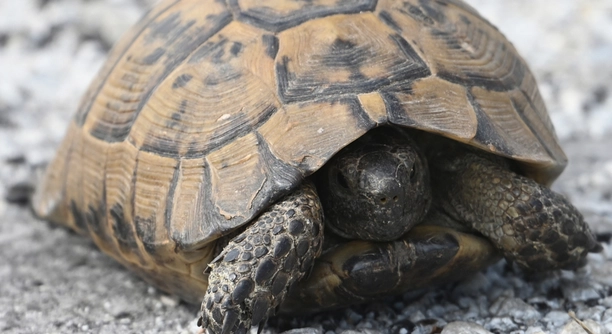
Choosing the right plants for your Russian tortoise enclosure can enhance both its beauty and your tortoise’s well-being. The plants not only provide food but also create a natural environment that mimics their native habitat.
The best plants for a Russian tortoise enclosure are hardy, edible, and safe. Common choices include succulents, grasses, and leafy plants that support digestion, hydration, and enrichment. These plants also help maintain a balanced ecosystem in the enclosure.
These plants offer more than just a decorative touch. They ensure your tortoise thrives in a healthy, natural environment.
The Importance of Choosing Safe Plants for Your Russian Tortoise
When selecting plants for your Russian tortoise’s enclosure, safety should be your top priority. Some plants are toxic to reptiles, so it’s crucial to do proper research before adding them. You want plants that won’t harm your tortoise, ensuring its health and safety. Many common houseplants are dangerous to reptiles, so it’s important to avoid them. Focus on edible plants that your tortoise can safely nibble on. Also, make sure the plants are free from pesticides or chemicals that could be harmful.
Selecting the right plants ensures your tortoise can enjoy its enclosure safely without risk. You’ll want to avoid plants that could pose a danger, such as those with sharp leaves or toxic properties.
A mix of edible grasses, herbs, and leafy greens are excellent options to create a secure and enriching space for your tortoise. These plants can also help with digestion and hydration, promoting a well-rounded, healthy lifestyle. Keep in mind that plants can be a source of comfort, shelter, and food for your tortoise.
Best Plants to Consider
You can’t go wrong with plants like dandelions and clover. These are natural, safe, and appealing to your tortoise.
Dandelions, clover, and plantain are all excellent plant choices for your Russian tortoise enclosure. These plants are safe to consume and offer various nutrients beneficial for your tortoise’s health. Dandelions are rich in vitamins and minerals, which support immune function and overall vitality. Similarly, clover provides a range of vitamins that help in digestion, and plantain leaves are great for hydration. These plants not only serve as a food source but also enhance the visual appeal of your tortoise’s habitat. If you’re unsure about a specific plant, always double-check its safety before adding it to the enclosure. These plants thrive in various conditions, ensuring your tortoise has access to fresh food at all times.
Creating a Comfortable Environment with Plants
Plants not only provide food but also create a natural, cozy environment for your tortoise. A well-planted enclosure can make your tortoise feel secure and less stressed. It mimics the kind of habitat it would experience in the wild, adding to its overall well-being.
By including a variety of plants, you give your tortoise different places to explore, hide, and relax. It allows them to engage in natural behaviors, like foraging and nesting. You’ll want plants that offer both shelter and food, helping to enrich your tortoise’s life. A good mix of plants promotes activity and reduces boredom.
The right plants can help maintain the humidity and temperature levels in your tortoise’s habitat. Proper moisture levels are key to their comfort, and many plants help with this. Succulents are especially useful for holding moisture, keeping the environment more consistent. Consider using hardy plants that can withstand the fluctuating temperatures of a tortoise’s enclosure.
The Role of Edible Plants
Edible plants are essential for a healthy tortoise diet. They provide vitamins, minerals, and hydration, all of which contribute to your tortoise’s well-being.
Leafy greens, such as dandelions, mustard greens, and collard greens, are excellent choices. These plants offer essential nutrients and can be easily consumed by your tortoise. They help with digestion and can be a great source of hydration, especially when water sources are limited. It’s important to rotate the plants frequently to prevent overfeeding. While these plants are nutritious, your tortoise still requires a variety of food. Ensure they have access to different types of leaves and grasses to avoid nutritional imbalances.
Choosing Hardy Plants
Hardy plants are essential for your tortoise’s enclosure. They can withstand the conditions inside the habitat, including heat and humidity. Some plants are more resilient to the frequent nibbling of your tortoise, making them long-lasting and ideal for the environment.
Make sure to select plants that can handle regular grazing. This ensures your tortoise always has access to fresh food. Hardy plants like succulents or hardy herbs are well-suited for this purpose. These plants grow back quickly after being eaten, which is essential for maintaining a consistent food source for your tortoise.
Maintaining Plant Health
Healthy plants contribute to a thriving enclosure. Regular care and attention are required to ensure plants continue to grow and provide benefits for your tortoise.
Watering the plants appropriately is essential for their survival. Be sure not to overwater, as this can lead to root rot. It’s also important to provide enough light for the plants to grow. Many plants need direct sunlight to thrive, so place them in areas where they will get sufficient exposure. Regularly trim dead leaves or flowers to promote healthy growth.
Best Plants for Sunlight
Plants that thrive in sunlight help create a natural, stable environment for your tortoise. These plants offer both food and shelter.
Plants like prickly pear cactus, certain grasses, and succulents do well with direct sunlight and are great additions to the enclosure. They provide hiding spots and food while also contributing to maintaining a healthy environment. A mix of sun-loving plants will allow your tortoise to benefit from natural UV exposure, which is important for their health.
FAQ
What plants are safe for a Russian tortoise enclosure?
Safe plants for a Russian tortoise include dandelions, clover, plantain, and hibiscus. These are edible and non-toxic, making them ideal choices. Avoid plants like lilies, azaleas, and ivy, as they can be harmful to your tortoise. Always check the plant’s toxicity before introducing it to the enclosure.
Can I use houseplants in my Russian tortoise enclosure?
Not all houseplants are safe for a tortoise. Many common houseplants are toxic to reptiles. If you do decide to use houseplants, make sure they are non-toxic to tortoises. Some safe houseplants include spider plants, ferns, and African violets. Always research each plant before use.
How often should I replace the plants in my tortoise’s enclosure?
The frequency of plant replacement depends on the plant type and the tortoise’s grazing habits. Hardy plants like dandelions and clover will grow back after being nibbled, but others may need to be replaced every few weeks if they are eaten too quickly. Monitor your enclosure regularly for plant health and replace as needed.
Do I need to fertilize the plants in the enclosure?
While fertilization can be beneficial, it’s important to use non-toxic fertilizers. Over-fertilizing can cause harmful chemical buildup, so choose organic or natural fertilizers. It’s best to fertilize the plants sparingly and ensure they are safe for your tortoise to consume.
How much sunlight do the plants need?
Plants in your tortoise’s enclosure should receive adequate sunlight to thrive. Most plants need 6-8 hours of sunlight a day to grow well. You can provide natural sunlight by placing the enclosure in a sunny spot or use UVB lighting if natural sunlight is insufficient. Proper lighting helps both plants and tortoises stay healthy.
Can I use synthetic plants in my tortoise enclosure?
While synthetic plants won’t provide food for your tortoise, they can still be used to add shelter and enrichment. However, ensure that the synthetic plants are safe and free from harmful chemicals. Avoid plants with sharp edges that could injure your tortoise. These plants can be a good supplement to live plants in the enclosure.
Should I add moss or other ground cover in my tortoise’s enclosure?
Moss can be a great addition to your tortoise’s enclosure as it helps retain humidity, which is beneficial in drier environments. However, be cautious with certain types of moss as they can contain pesticides. It’s always safest to use natural, non-toxic options that won’t harm your tortoise.
How do I maintain the humidity levels in the enclosure using plants?
Certain plants can help maintain the proper humidity level in your tortoise’s enclosure. Moss, ferns, and succulents are good choices for helping to retain moisture. Place plants strategically in the enclosure, especially around water sources, to balance the humidity levels and prevent your tortoise from getting too dry.
Can I plant directly into the tortoise’s enclosure?
Yes, planting directly into your tortoise’s enclosure is a great way to create a more natural habitat. Choose plants that will thrive in the conditions of the enclosure, such as succulents, grasses, and hardy herbs. Planting directly allows the plants to grow naturally and provides a lasting food source for your tortoise.
How do I prevent my tortoise from eating all the plants?
If you notice your tortoise is eating too many of the plants too quickly, try planting a variety of species to create a more balanced food supply. You can also place food plants in areas where the tortoise can graze at its own pace. Another option is to feed your tortoise separate, fresh greens daily to reduce the temptation to overeat the plants in the enclosure.
Can I use wild plants in the enclosure?
Wild plants can be used, but only if they are safe and non-toxic to your tortoise. Be careful of plants that may have been exposed to pesticides or chemicals. It’s important to identify the plants properly before introducing them. Collect wild plants from safe areas, away from pollutants and chemicals.
What do I do if my tortoise eats a toxic plant?
If your tortoise eats a toxic plant, it’s important to act quickly. Contact your vet immediately for advice. Symptoms of poisoning may include lethargy, vomiting, or loss of appetite. It’s crucial to monitor your tortoise closely after it eats something new and always remove harmful plants immediately from the enclosure.
Can I mix different types of plants in the enclosure?
Yes, mixing different types of plants in the enclosure is a great idea. A mix of grasses, leafy greens, and succulents creates a diverse and enriching environment for your tortoise. Just make sure that all the plants are safe for your tortoise to eat and that they thrive under the conditions you provide.
Are there any plants that help with the digestion of my tortoise?
Some plants, like dandelions and clover, can help with digestion due to their high fiber content. These plants promote healthy bowel movements and overall digestive health for your tortoise. Including a variety of these plants will aid in your tortoise’s digestion and ensure it gets the nutrients it needs.
Can I use herbs in the enclosure?
Herbs are a great option for your tortoise’s enclosure. Many herbs like parsley, basil, and thyme are safe and can be beneficial to your tortoise’s diet. They add flavor and variety to their meals, while also offering different vitamins and minerals. Just make sure they are safe and free from any chemicals.
Is it necessary to add flowers to the enclosure?
While not necessary, adding flowers to the enclosure can enhance its appearance and provide a natural source of food for your tortoise. Flowers like hibiscus, marigolds, and nasturtiums are safe and edible. They attract pollinators and offer additional enrichment for your tortoise’s environment. Be sure to avoid toxic flowers.
Final Thoughts
Creating a natural and healthy environment for your Russian tortoise is crucial for its well-being. Choosing the right plants for its enclosure plays a major role in providing enrichment and proper nutrition. The right plants can offer shelter, encourage natural behaviors, and contribute to a balanced diet. However, it’s important to always verify whether a plant is safe for your tortoise before introducing it. Many plants are harmless, but others may be toxic and pose a risk to your tortoise’s health.
Another key factor to consider is maintaining the health of the plants in your tortoise’s enclosure. Plants require proper sunlight, water, and care to thrive. Choosing hardy plants that can withstand some grazing will help keep the enclosure looking natural and vibrant. Regularly replace or trim the plants to prevent them from becoming unhealthy or overgrazed. Be mindful of how your tortoise interacts with the plants to ensure they’re both benefiting from the environment. If a particular plant is being eaten too quickly or isn’t thriving, consider adjusting the placement or adding more varieties.
In conclusion, selecting the right plants for a Russian tortoise enclosure is more than just decoration; it’s an essential part of providing a natural, stimulating habitat. By focusing on plant safety, growth, and enrichment, you can create an environment that supports the health and happiness of your tortoise. Whether you choose to use native plants or opt for easy-to-grow varieties, each plant plays a role in making your tortoise’s enclosure feel more like its natural habitat. With proper care and attention, both the plants and your tortoise will thrive.

Hello,
If you enjoy the content that we create, please consider saying a "Thank You!" by leaving a tip.
Every little bit helps us continue crafting quality advice that supports the health, happiness, and well-being of pets around the world, for pets of all shapes, sizes, and species.
We really appreciate the kindness and support that you show us!