
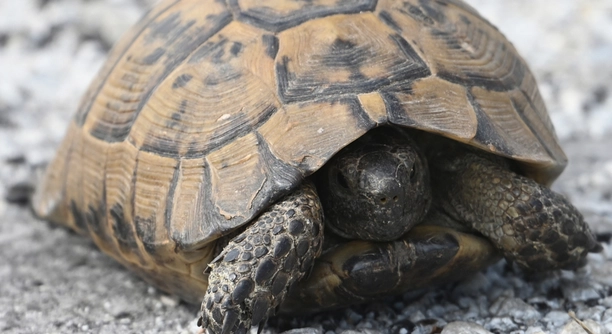
If you own a Russian tortoise, it’s important to know how to spot signs of an eye infection. These infections can cause discomfort and need attention to prevent further health issues.
Eye infections in Russian tortoises often manifest as swelling, discharge, or redness around the eyes. If left untreated, it may lead to more serious complications, so it is crucial to seek proper care as soon as symptoms appear.
Learning how to recognize these signs early will help you provide the necessary care and prevent worsening of the infection.
Symptoms of an Eye Infection in Russian Tortoises
Eye infections in Russian tortoises can appear in several ways. Swelling around the eyes is one of the first signs. If your tortoise has eye discharge, it can indicate an infection that needs attention. Watery eyes or excessive mucus buildup are common symptoms too. The eye area may also appear red or irritated, especially if the infection has been there for a while. In some cases, the tortoise may have difficulty opening their eyes, a sign that the infection is affecting their vision. Additionally, your tortoise may become lethargic, as they are likely feeling unwell.
If you notice any of these signs, it’s essential to take action quickly. Ignoring eye infections can lead to more severe problems, including permanent damage to the eye. Be aware of these symptoms and be ready to act. Always observe your pet for any signs of distress or changes in behavior, as they might indicate a health issue that needs attention.
Causes of Eye Infections in Tortoises
Eye infections in tortoises can be caused by several factors. A dirty or unsanitary environment is often a major contributor. If their habitat isn’t cleaned regularly, bacteria can accumulate, leading to infection. Improper lighting or humidity levels can also cause eye problems in tortoises. They rely on specific conditions to stay healthy, and any changes in these conditions can lead to infections. Moreover, poor diet can weaken their immune system, making them more susceptible to health issues, including eye infections.
Sometimes, an injury to the eye or nearby area can result in infection as well. Even if your tortoise doesn’t seem to have suffered any trauma, it’s important to check for any unnoticed scratches. Treating injuries immediately is key to preventing infection.
Keeping their living space clean, offering proper lighting and humidity, and providing a balanced diet are the best ways to prevent infections from occurring in the first place.
How to Treat an Eye Infection in a Russian Tortoise
Treating an eye infection in a Russian tortoise typically involves cleaning the eye and administering antibiotics. Use a clean, damp cloth to gently wipe away any discharge from the eye. Be sure to avoid applying any pressure to prevent further irritation. You can also consult with a veterinarian for a specific treatment plan. They may prescribe eye drops or ointments to help with the infection. If needed, the vet might recommend additional medications or supplements to boost your tortoise’s immune system.
While treating the infection, make sure to monitor your tortoise’s environment. A clean, dry habitat will help reduce the chance of reinfection. Avoid using any harsh chemicals that could irritate the eye further. Also, ensure that your tortoise has access to a proper diet and adequate hydration. An unhealthy diet or dehydration can hinder recovery. Keeping your tortoise in a stable, comfortable environment is crucial for a faster recovery.
Even with treatment, some infections may persist, requiring more time to heal. If the infection doesn’t improve after a few days, it’s important to revisit your veterinarian. They might recommend a different treatment plan or test for underlying health conditions.
Preventing Future Eye Infections
Preventing eye infections in your Russian tortoise is much easier than treating them. Maintaining a clean environment is key to stopping bacteria from thriving. Regularly clean their enclosure and replace bedding as needed. Make sure the habitat stays dry, as moisture can promote bacterial growth. Ensuring that your tortoise’s habitat has the right humidity levels will also reduce the risk of eye infections. Avoid placing your tortoise in areas with drafts or sudden temperature changes.
A balanced diet also plays a vital role in maintaining a healthy immune system. Ensure your tortoise is eating a variety of appropriate foods, including leafy greens, vegetables, and occasional fruits. Additionally, make sure they receive enough calcium and vitamins. These nutrients support eye health and overall well-being, reducing the chances of infections. Keep track of their diet and adjust it when necessary. Providing fresh water daily is just as important.
When to See a Veterinarian
If your Russian tortoise shows signs of an eye infection, and home treatments aren’t improving the condition, it’s time to consult a veterinarian. Persistent symptoms can indicate a more serious problem that requires professional attention. A vet will determine the best course of treatment based on the infection’s severity.
Visiting a vet is especially important if your tortoise becomes lethargic or stops eating, as these could be signs of a more severe illness. In some cases, untreated eye infections can lead to permanent damage. Getting proper treatment will ensure that your tortoise stays healthy and comfortable.
Antibiotics for Eye Infections
When a vet prescribes antibiotics for an eye infection, they can help eliminate the bacteria causing the issue. Eye drops or ointments are typically used for treating bacterial infections. These medications help reduce inflammation and prevent the infection from spreading further into the eye. The vet may also suggest oral antibiotics if the infection is more severe.
Follow the vet’s instructions carefully when applying medication. It’s crucial to apply the correct dosage at the proper times. Failure to do so could delay recovery or cause complications. Even if the eye looks better, continue treatment until the full course is complete.
Monitoring Your Tortoise’s Recovery
During recovery, it’s essential to closely monitor your tortoise. Keep track of their eating, drinking, and activity levels. A slow recovery may suggest the infection isn’t fully treated, requiring further attention from your veterinarian. If the infection appears to worsen, don’t hesitate to take your tortoise back for a checkup.
FAQ
How can I tell if my Russian tortoise has an eye infection?
Signs of an eye infection in Russian tortoises include swelling, redness, and discharge around the eyes. If your tortoise has watery or cloudy eyes, difficulty opening them, or seems lethargic, these may also be signs of an infection. Keep an eye on changes in behavior as well, as they can indicate discomfort. It’s important to monitor these symptoms closely and address them promptly to prevent further issues.
What should I do if my tortoise has an eye infection?
If your Russian tortoise shows signs of an eye infection, the first step is to gently clean the eye with a damp cloth. Remove any discharge carefully to avoid irritating the eye further. If symptoms persist, it’s crucial to see a vet for proper treatment. They may recommend antibiotic ointments or drops to treat the infection. Ensuring that your tortoise’s environment is clean and comfortable will also aid in the healing process.
Can I treat my tortoise’s eye infection at home?
Mild cases of eye infections may be treated at home by cleaning the eye and applying prescribed antibiotics if your vet suggests it. However, if the infection is severe or doesn’t improve with initial treatment, it’s important to seek veterinary care. The vet will provide a more targeted treatment plan to avoid complications, such as permanent damage to the eye.
How long does it take for a tortoise’s eye infection to heal?
The healing time for an eye infection in a Russian tortoise varies depending on the severity. Minor infections may show improvement within a few days of treatment, while more serious cases might take a couple of weeks. Consistent medication, a clean environment, and proper care are necessary for a full recovery. Monitor your tortoise’s progress and consult your vet if the condition doesn’t improve.
Are eye infections in Russian tortoises common?
Eye infections are not uncommon in Russian tortoises. They can result from a variety of causes, such as poor environmental conditions, lack of proper care, or injuries. Maintaining a clean habitat with the right humidity and temperature levels can help reduce the risk of eye infections. A balanced diet with adequate vitamins is also crucial for overall health.
What causes eye infections in Russian tortoises?
The primary causes of eye infections in Russian tortoises include unsanitary living conditions, improper lighting, and humidity levels. Bacteria or fungi can thrive in a dirty or damp environment, leading to infection. Injuries to the eye or surrounding area can also introduce bacteria. A poor diet can weaken your tortoise’s immune system, making it more susceptible to infections.
How do I clean my tortoise’s eyes?
To clean your tortoise’s eyes, use a soft, damp cloth or cotton ball. Gently wipe away any discharge from around the eyes, being careful not to apply pressure. Avoid using any harsh chemicals or products that could irritate the sensitive eye area. If the discharge persists or the eye appears swollen, seek veterinary care for proper treatment.
Can an untreated eye infection cause long-term damage to my tortoise?
Yes, if left untreated, an eye infection can lead to permanent damage to the eye. The infection could spread to other areas, potentially affecting vision or causing more serious health issues. Prompt treatment is essential to prevent complications and ensure your tortoise’s health is maintained.
Can poor diet contribute to eye infections in tortoises?
Yes, a poor diet can make your tortoise more susceptible to eye infections. Lack of essential nutrients, such as vitamins A and E, can weaken the immune system and impair eye health. Ensuring that your tortoise gets a varied diet with plenty of leafy greens and appropriate supplements will help prevent health issues, including eye infections.
Is there a way to prevent eye infections in Russian tortoises?
Preventing eye infections in Russian tortoises involves maintaining a clean and healthy environment. Regularly clean their enclosure, replace bedding, and ensure proper humidity levels. Adequate lighting and a balanced diet are also essential for their overall health. Avoid sudden changes in temperature and minimize stress to keep your tortoise in top condition. Regular check-ups with a vet can also help identify early signs of any health issues.
What is the best way to treat a severe eye infection in my tortoise?
For severe eye infections, the best course of action is to seek immediate veterinary care. A veterinarian can prescribe antibiotics or other medications, depending on the type and severity of the infection. They may also recommend additional treatments, such as eye drops, ointments, or supportive care. Prompt medical attention will help prevent long-term damage.
How can I keep my Russian tortoise’s habitat clean to prevent eye infections?
To prevent eye infections, keep your tortoise’s habitat clean and dry. Regularly remove waste and replace bedding as needed. Clean water dishes daily and provide a proper substrate to avoid excess moisture. Make sure the enclosure is free of mold and bacteria by cleaning it thoroughly on a regular schedule. Proper lighting and humidity control also play a vital role in maintaining a healthy environment.
Can eye infections in tortoises be contagious to other pets?
Eye infections in tortoises are generally not contagious to other pets, especially if the infection is caused by environmental factors like bacteria or poor care. However, if the infection is due to a virus, there may be a slight risk of transmission. It’s always best to keep infected tortoises separated from other pets until they have fully recovered.
Final Thoughts
Eye infections in Russian tortoises are relatively common and can be caused by several factors, such as poor environmental conditions, diet, or injuries. It is essential to address any signs of eye infection as soon as they appear. The sooner the infection is treated, the better the chances are for a full recovery without any lasting damage. By paying attention to your tortoise’s behavior and appearance, you can catch these issues early and prevent complications.
Proper care, including maintaining a clean habitat and providing a balanced diet, plays a significant role in preventing eye infections and other health issues in tortoises. Regularly cleaning the enclosure, offering the right lighting, and ensuring the right humidity levels are critical factors in your tortoise’s well-being. Additionally, ensuring they receive the proper vitamins and nutrients can strengthen their immune system, making them less susceptible to infections. A healthy and well-maintained environment reduces the risk of many health problems.
Ultimately, monitoring your tortoise’s health closely and seeking professional help when needed is the key to maintaining their health and happiness. If an eye infection occurs, it’s essential to act quickly by cleaning the area and seeking treatment from a veterinarian if necessary. Follow any prescribed medication instructions carefully and keep track of your tortoise’s recovery. By staying attentive and taking the necessary precautions, you can help ensure your Russian tortoise leads a healthy, comfortable life.

Hello,
If you enjoy the content that we create, please consider saying a "Thank You!" by leaving a tip.
Every little bit helps us continue crafting quality advice that supports the health, happiness, and well-being of pets around the world, for pets of all shapes, sizes, and species.
We really appreciate the kindness and support that you show us!