
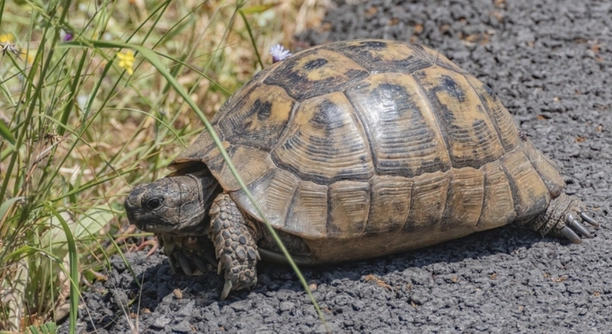
Shell rot in Russian tortoises can be a concerning issue for owners. It’s important to recognize the signs early to prevent further damage to your pet’s shell. Keeping them healthy requires attention to their habitat and care.
Preventing shell rot in Russian tortoises involves maintaining proper humidity, temperature, and ensuring clean, dry living conditions. Regularly inspecting the tortoise’s shell for any cracks or lesions can also help identify early signs of rot, allowing for prompt treatment.
By understanding these steps, you can effectively protect your tortoise’s shell and ensure its long-term health.
Understanding the Causes of Shell Rot
Shell rot in Russian tortoises usually results from poor environmental conditions, such as excessive humidity or exposure to dampness. When a tortoise’s shell remains wet for long periods, it can soften, leading to infection. Inadequate ventilation or unclean living spaces can also create a breeding ground for harmful bacteria and fungi that contribute to the development of shell rot. Stress from improper care and unhealthy habitats weakens the tortoise’s immune system, making it more susceptible to infections.
Proper care starts with monitoring humidity and ensuring a dry environment for your tortoise. When the shell gets too wet, it can develop cracks and open the door for bacteria to enter, causing serious health issues. It’s essential to balance humidity to keep the shell healthy while avoiding conditions that promote the growth of harmful organisms. Keeping their habitat clean and dry is key in preventing shell rot.
Regularly inspecting your tortoise for early signs of rot, such as discoloration or soft areas, can help catch the problem early. If left untreated, shell rot can worsen quickly, requiring more intensive care.
Best Practices for Preventing Shell Rot
Maintaining the correct temperature in your tortoise’s enclosure is equally important. Too much heat or cold can stress the tortoise and lead to weakened immune defenses, making it harder for them to fight off infections. Keeping the enclosure between 75-85°F will help maintain overall health. Along with proper temperatures, always provide access to a dry, safe area where your tortoise can retreat from any excess moisture. Regularly check for signs of mold or fungus, especially in damp areas, to prevent shell rot from starting.
Proper Diet and Hydration
A balanced diet plays a role in preventing shell rot. Offering fresh vegetables, fruits, and occasional protein sources will keep your tortoise healthy. Make sure they have access to a shallow water dish for drinking and bathing, but avoid soaking them too often as it can promote dampness around their shell.
Hydration is important for overall health but should be carefully managed. Overhydration can lead to excess moisture on the shell, increasing the risk of rot. In the wild, tortoises get moisture from food, so avoid constant soaking. Instead, provide water for drinking and use a humidifier to regulate the air around their habitat.
A diet high in fiber and calcium is essential for strong, healthy shells. Without these nutrients, your tortoise’s shell could become weak and more vulnerable to infections. Make sure to supplement their meals with appropriate nutrients, and avoid feeding them excessive watery fruits that can promote shell dampness.
Ensuring a Clean Habitat
A clean habitat is key in preventing shell rot. Regularly clean the tortoise’s living space by removing waste and changing bedding. Dirty bedding and waste can harbor bacteria, leading to potential shell rot. Scrub surfaces with a reptile-safe disinfectant to avoid infections that can affect your tortoise’s shell health.
A dry environment is equally important. While humidity helps keep the tortoise’s skin from drying out, too much can encourage rot. Keep the substrate dry and clean to prevent bacteria growth. Also, ensure that your tortoise’s basking spot stays warm and dry so they can properly regulate their body temperature.
Spotting Early Signs of Shell Rot
Early signs of shell rot include discoloration, soft spots, or foul odor coming from the shell. You may notice areas that are darker or have a slightly mushy texture. If any part of the shell appears abnormal, it’s important to act quickly.
Inspect your tortoise frequently to catch any potential issues. Rot can spread rapidly if not addressed early, so taking action sooner rather than later will help prevent long-term damage. Look for wet or discolored patches, as these are often the first indications that something is wrong.
Keeping Shells Dry
Dry conditions are essential to preventing shell rot. Avoid allowing your tortoise to sit in water for extended periods, as constant moisture encourages bacterial growth. In their enclosure, provide dry areas for basking and resting. Keeping the substrate dry will ensure that their shell stays protected from rot.
Make sure that water dishes are shallow and only used for drinking. Wet surfaces or excessive dampness in the habitat should be avoided, as they create the perfect environment for shell rot. Proper drainage in the enclosure will also help keep the space dry.
FAQ
What are the signs of shell rot in Russian tortoises?
Shell rot typically presents itself as soft or discolored spots on the shell. These areas may feel mushy to the touch, and the affected parts can become foul-smelling. It’s essential to look for any unusual changes, as early detection helps prevent it from worsening. Regular checks will ensure you spot these signs early and take prompt action. If you notice any of these symptoms, it’s crucial to adjust their environment and consult with a vet to prevent further damage.
Can shell rot be treated at home?
In mild cases, shell rot can be treated at home, but it’s always best to consult with a veterinarian. For early-stage rot, you can gently clean the affected area with a soft brush and antiseptic. Keep the tortoise in a dry and clean environment, making sure to avoid excess moisture. If the condition worsens, professional treatment may be necessary. A vet can provide antibiotics or other treatments to prevent the infection from spreading and ensure proper healing.
How can I prevent shell rot in my Russian tortoise?
Prevention starts with creating a clean, dry habitat with controlled humidity. Ensure your tortoise’s living space is regularly cleaned, and always check for any wet or damp spots. Keep humidity levels balanced and make sure the tortoise has a dry basking area to help it maintain a healthy shell. You should also avoid soaking your tortoise too frequently. Proper diet, hydration, and regular shell inspections will help you keep shell rot at bay.
What should I do if I suspect my tortoise has shell rot?
If you suspect shell rot, first inspect the affected area carefully. Gently clean the shell using warm water and a soft brush. Avoid scrubbing too hard to prevent further injury. If there’s noticeable damage or foul odor, consult a vet immediately. Early intervention is key in preventing severe infection. While home care may work for minor cases, always err on the side of caution and seek professional help when in doubt.
How do I provide proper humidity for my tortoise?
Humidity is essential, but too much moisture can lead to shell rot. To maintain the right balance, aim for around 40-60% humidity in the enclosure. Use a hygrometer to monitor levels and adjust them as needed. A humidifier can help maintain the necessary moisture in the air. Be sure to provide a dry area for your tortoise to bask in, as this is essential for its health. Don’t let the entire enclosure stay too damp, as this can increase the risk of rot.
How often should I clean my Russian tortoise’s enclosure?
It’s important to clean the enclosure regularly to keep your tortoise safe from bacteria and fungi. Spot clean daily by removing waste and uneaten food. Full cleanings, including replacing the bedding and disinfecting surfaces, should be done every 1-2 weeks. Keeping the environment dry and free from waste is vital for preventing shell rot. If any areas of the habitat appear damp, they should be dried immediately to avoid promoting conditions for rot.
What type of bedding is best for preventing shell rot?
Choosing the right bedding is important to keep the enclosure dry and clean. Use materials like coconut coir, aspen shavings, or shredded paper, which help absorb moisture. Avoid using cedar or pine, as these can be harmful to your tortoise’s health. The bedding should be changed regularly to maintain cleanliness and prevent excess moisture buildup. Make sure the substrate doesn’t stay too wet, as this can promote bacterial growth and lead to shell rot.
Can shell rot cause permanent damage to my tortoise?
Yes, if left untreated, shell rot can cause permanent damage. It can lead to serious infections that affect the shell’s structure, causing deformities or even bone damage. The rot may continue to spread, affecting other parts of the tortoise’s body. In severe cases, untreated shell rot can be fatal. That’s why early detection and proper treatment are essential in ensuring your tortoise’s long-term health and well-being.
How can I tell if my tortoise’s shell is getting soft?
A healthy tortoise’s shell should feel hard and firm to the touch. If you notice soft or squishy areas, this is a clear sign of shell rot or other health issues. You can gently press on the shell with your fingers to check for softness. If the shell feels soft, it may indicate infection, and you should take action immediately. Do not attempt to ignore the problem, as untreated softening can lead to severe health complications for your tortoise.
Should I soak my Russian tortoise to prevent shell rot?
Soaking your tortoise too frequently can lead to excess moisture, which can increase the risk of shell rot. While it’s important to provide your tortoise with fresh water to drink and bathe in, prolonged soaking is not recommended. Instead, focus on maintaining the right humidity and a dry basking area. This will help keep your tortoise hydrated without putting it at risk of developing shell rot. Always monitor the water level in the dish, ensuring it’s shallow enough to avoid excess moisture on the shell.
How does diet affect shell rot?
A poor diet can contribute to a weakened immune system, making your tortoise more vulnerable to shell rot and other health problems. Feeding your tortoise a variety of vegetables, fruits, and appropriate protein sources will help strengthen its shell. Calcium is particularly important for shell health, so be sure to offer calcium-rich foods or supplements. Avoid feeding watery fruits like watermelon, as they can introduce excess moisture, which can lead to damp conditions that promote rot.
Can shell rot spread to other tortoises?
Shell rot is caused by bacterial or fungal infections, and while it doesn’t spread directly from one tortoise to another, poor hygiene and unsanitary conditions can contribute to the spread of these pathogens. If you have multiple tortoises, ensure each has its own clean space and that their environment is regularly disinfected. Be cautious when handling an infected tortoise and wash your hands thoroughly afterward. If you notice signs of shell rot in other tortoises, take action quickly to avoid further spread.
How can I ensure my tortoise’s shell stays strong?
A healthy shell requires proper nutrition, hydration, and habitat care. Ensure your tortoise gets a balanced diet rich in calcium, fiber, and essential nutrients. Maintaining the right humidity and temperature levels in the enclosure is also crucial. Regularly inspect the shell for cracks or signs of softening. Keep the habitat clean and dry, and avoid prolonged exposure to water. These steps will help keep your tortoise’s shell strong and reduce the risk of shell rot.
Final Thoughts
Shell rot in Russian tortoises is a serious condition that can be prevented with proper care and attention. Creating the right habitat is essential. By maintaining appropriate humidity levels, offering a dry basking area, and regularly cleaning the enclosure, you can significantly reduce the risk of shell rot. It’s also important to monitor your tortoise’s health regularly, checking for signs of any soft spots or discoloration on the shell. The sooner you catch the problem, the easier it will be to treat.
Prevention is key when it comes to shell rot. Proper diet and hydration are also important for keeping your tortoise healthy and strong. A balanced diet with plenty of calcium-rich foods will support their shell and overall health. Additionally, avoid soaking your tortoise too much, as excessive moisture can contribute to shell rot. Providing fresh water for drinking and occasional baths is sufficient, but constant exposure to water can lead to unwanted problems. Be mindful of the temperature and humidity within the enclosure to ensure a comfortable, healthy environment for your tortoise.
If you do notice signs of shell rot, don’t hesitate to seek professional care. A veterinarian can help diagnose the issue and provide treatment to prevent further damage. While mild cases can sometimes be managed at home with proper hygiene and care, more serious cases will require medical intervention. By staying vigilant and maintaining a clean, dry habitat, you can keep your Russian tortoise healthy and free from shell rot.

Hello,
If you enjoy the content that we create, please consider saying a "Thank You!" by leaving a tip.
Every little bit helps us continue crafting quality advice that supports the health, happiness, and well-being of pets around the world, for pets of all shapes, sizes, and species.
We really appreciate the kindness and support that you show us!