
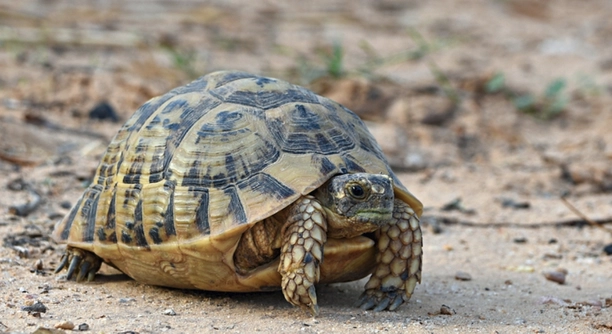
Setting up the ideal lighting schedule for your Russian tortoise is essential for its health and well-being. Proper lighting supports digestion, activity levels, and overall comfort, making it a crucial part of your pet’s daily care routine.
The best lighting schedule for a Russian tortoise involves providing 12-14 hours of UVB light daily, paired with a consistent heat source. This mimics natural sunlight, supports metabolism, and ensures proper shell and bone development.
Learning how to create a stable and natural lighting routine can make a big difference in your tortoise’s quality of life.
Understanding the Importance of Proper Lighting
Lighting plays a crucial role in your Russian tortoise’s overall health. UVB light helps with calcium absorption, which prevents metabolic bone disease. Heat lamps maintain the warmth needed for digestion, activity, and overall well-being. A consistent lighting schedule supports natural behaviors, making your tortoise more comfortable and active throughout the day. Aim to replicate natural daylight by providing both UVB and heat lighting during the day and ensuring complete darkness at night. A well-maintained lighting setup helps your tortoise thrive by mimicking its natural environment as closely as possible.
Providing 12-14 hours of UVB light each day is essential. UVB rays stimulate vitamin D3 production, which allows your tortoise to process calcium effectively. Without this, bones and shells become weak and more susceptible to deformities or disease.
In addition to UVB light, a basking lamp should create a warm spot of 90-95°F. The cooler side of the enclosure should stay between 70-75°F. Nighttime temperatures can drop slightly but should never fall below 60°F. Consistent monitoring with thermometers ensures stable conditions.
Setting Up a Lighting Schedule
Start by setting the lights to mimic natural sunrise and sunset patterns. Turn on UVB and heat lamps in the morning and switch them off after 12-14 hours to create a consistent routine.
The type of bulbs you choose also matters. Mercury vapor bulbs provide both UVB and heat, simplifying the setup. Fluorescent tubes work well for UVB, but you’ll need a separate heat lamp. Replace UVB bulbs every 6-12 months to maintain effectiveness.
Make sure the basking spot is positioned so your tortoise can move closer or further from the heat as needed. The enclosure should have a clear distinction between the basking and cooler areas to allow for natural thermoregulation. Consistent exposure to UVB light, paired with the right temperatures, supports digestion, bone strength, and natural behaviors. Following these steps helps maintain a stable, healthy environment for your Russian tortoise.
Adjusting Lighting for Seasonal Changes
Russian tortoises experience natural seasonal light variations in the wild, which you can replicate at home. During summer, provide 14 hours of light, while winter months should mimic shorter days with 10-12 hours of light.
Adjusting seasonal lighting patterns supports your tortoise’s internal rhythms. Longer daylight hours during warmer months encourage activity and appetite. As winter approaches, reducing light exposure simulates natural conditions, preparing the tortoise for possible brumation. Gradually shift the lighting schedule over a few weeks to avoid stress or confusion. Use timers to automate the process, ensuring consistency even when you’re away.
For tortoises that enter brumation, simulate the shorter, cooler days by lowering temperatures slightly. UVB light should still be provided but for fewer hours each day. Regularly monitor behavior and lighting equipment to maintain a safe, stable environment. Observing your tortoise’s response to these adjustments ensures their health remains optimal throughout the year.
Choosing the Right Lighting Equipment
UVB lighting is essential for calcium absorption and bone strength. T5 fluorescent tubes are effective for larger enclosures, while compact UVB bulbs work better for smaller spaces. Avoid placing the bulb behind glass or plastic, as these materials block UVB rays.
Heat lamps should provide a basking spot of 90-95°F. Ceramic heat emitters work well for nighttime warmth without emitting light, which supports the tortoise’s natural sleep cycle. Position bulbs securely to prevent burns or damage and use reliable thermometers for monitoring temperatures in different areas of the enclosure.
Regularly check bulbs for signs of wear, as UVB output decreases over time. Follow the manufacturer’s replacement recommendations, typically every 6-12 months. Investing in high-quality lighting equipment helps maintain a stable, healthy environment for your Russian tortoise year-round.
Monitoring Lighting Effectiveness
Regularly monitor your tortoise’s behavior to ensure the lighting setup is effective. If your tortoise becomes lethargic or loses appetite, check the UVB bulb and basking temperatures for possible issues or necessary adjustments.
Use a UVB meter to measure light output periodically. UVB strength naturally decreases over time, even if the bulb appears functional. Replace bulbs as recommended to maintain consistent, beneficial lighting.
Troubleshooting Common Lighting Problems
If your tortoise avoids the basking area, ensure the temperature isn’t too high. Adjust the bulb’s distance if needed. Uneven basking can result from bulb placement, so center the heat source above the basking spot.
Inconsistent light cycles may confuse your tortoise. Use timers to maintain a regular schedule, and avoid frequently changing the lighting pattern. Monitor both temperature and UVB output to address any issues early.
Maintaining a Safe Lighting Environment
Position lighting equipment securely to prevent accidents. Use fixtures with protective covers if needed, especially in enclosures with limited space. Regularly inspect cords and bulbs for damage to maintain a safe habitat for your tortoise.
FAQ
How long should I keep the lights on for my Russian tortoise?
Your Russian tortoise should have between 12-14 hours of light daily. In the wild, they are exposed to natural sunlight for similar durations. Using a timer can help maintain a consistent schedule, ensuring your tortoise receives proper exposure to UVB and heat.
Can I use regular light bulbs for my tortoise’s enclosure?
No, regular light bulbs do not provide the necessary UVB light or heat for your tortoise. Use special UVB bulbs designed for reptiles. These bulbs emit the UVB radiation that helps your tortoise process calcium. You’ll also need a heat lamp to create a basking area.
How do I know if the UVB light is working?
UVB lights lose their effectiveness over time, even if they still appear to be working. A UVB meter can be used to check the strength of the bulb. Also, monitor your tortoise’s health closely. If it starts showing signs of lethargy or shell problems, it might be time for a bulb replacement.
Can my tortoise be outside in the sunlight?
Yes, Russian tortoises can benefit from natural sunlight. If you live in a climate where the weather is warm enough, you can allow your tortoise to bask outdoors. Ensure the area is safe, free of predators, and that your tortoise has access to shade and water.
What temperature should my tortoise’s basking area be?
The basking spot should be between 90-95°F. You can achieve this temperature using a heat lamp or a ceramic heat emitter. The rest of the enclosure should have cooler areas ranging from 70-75°F to allow your tortoise to regulate its body temperature.
How often do I need to change the UVB bulb?
UVB bulbs need to be replaced every 6-12 months, even if they’re still glowing. Over time, the UVB output diminishes, which means your tortoise may not be receiving the benefits of the bulb. Regular replacement is important for their health.
Is it okay to leave my tortoise’s lights on all day?
It’s best to mimic a natural day-night cycle. Keeping the lights on for 12-14 hours during the day and turning them off at night helps regulate your tortoise’s sleep patterns and internal clock. A timer can help automate this schedule.
Do I need to worry about light during brumation?
If your tortoise is entering brumation, you can reduce the lighting hours to simulate the shorter days of winter. Keep the UVB light on for about 8-10 hours a day, and lower the ambient temperature to around 50-60°F. Always monitor your tortoise’s behavior to ensure it’s adjusting properly.
Can I use a heat lamp at night?
While you can use a heat lamp at night, it’s not necessary to provide light. If your tortoise requires additional warmth, consider using a ceramic heat emitter, which doesn’t emit light. This allows your tortoise to maintain warmth without disrupting its natural sleep cycle.
What if my tortoise is not basking under the light?
If your tortoise isn’t basking, check the temperature of the basking spot and the distance from the light source. If the spot is too hot or too cold, it could discourage basking. Also, ensure the light is positioned properly above the basking area.
Can my tortoise be in direct sunlight?
Direct sunlight is beneficial for your tortoise but needs to be monitored carefully. If your tortoise is outside, ensure there’s a shaded area for it to retreat to when it gets too warm. Never leave your tortoise in direct sunlight without access to cooler areas.
How can I create a natural light cycle for my tortoise?
Using timers to control the light schedule can mimic natural day-night cycles. Set the UVB light to turn on at sunrise and off at sunset, just like the sun would. Gradually adjust the timing to reflect seasonal changes, offering longer light hours during summer and shorter hours in winter.
Can I use a UVB bulb without a heat lamp?
While a UVB bulb is essential for calcium absorption, your tortoise also needs a heat source to regulate its body temperature. A heat lamp or ceramic heat emitter is required to create a proper basking spot, especially for digesting food. Both lights serve different functions.
Should I use a glass enclosure with the UVB bulb?
Glass can block UVB rays, reducing the effectiveness of the light. If possible, use a mesh-top or open-top enclosure to allow the full spectrum of UVB light to reach your tortoise. If using glass, make sure the bulb is placed close enough to compensate for some of the loss.
What’s the best placement for the UVB light?
Place the UVB light about 6-12 inches from your tortoise’s basking area. This distance ensures that your tortoise is getting the right amount of UVB exposure without risking damage to the skin or eyes. Avoid placing the bulb too far from the basking spot.
How can I tell if my tortoise is getting enough calcium?
A lack of calcium can cause soft shells and poor bone development. Monitor your tortoise’s behavior, shell condition, and overall health. Ensure it has access to proper UVB lighting and a diet rich in calcium. Supplement with calcium powder if needed. If problems persist, consult a vet.
Final Thoughts
Creating the right lighting schedule for your Russian tortoise is essential for its overall health and well-being. A proper lighting setup, including UVB light and a heat source, helps your tortoise digest food properly, maintain a healthy shell, and stay active. By following a consistent lighting schedule, you can mimic natural day-night cycles that will keep your tortoise comfortable and healthy. Make sure to monitor the lights regularly, as UVB bulbs lose effectiveness over time and need to be replaced to continue benefiting your pet.
It’s also important to keep in mind the seasonal changes that affect lighting schedules. During the warmer months, your tortoise needs more light, similar to the long days of summer. As the colder months approach, reducing the light duration mimics the shorter days of winter, helping your tortoise adjust its internal rhythms. This seasonal adjustment also encourages healthy sleep patterns and can support brumation for tortoises that enter a dormant period.
Ultimately, providing the right lighting for your tortoise is an ongoing task that requires attention to detail. From the correct types of bulbs to setting up a safe and comfortable environment, it all contributes to the long-term health of your tortoise. By using timers, monitoring temperatures, and adjusting the light as needed, you can create an ideal habitat. When you get the lighting right, your tortoise will enjoy better health, improved activity, and a more natural lifestyle.

Hello,
If you enjoy the content that we create, please consider saying a "Thank You!" by leaving a tip.
Every little bit helps us continue crafting quality advice that supports the health, happiness, and well-being of pets around the world, for pets of all shapes, sizes, and species.
We really appreciate the kindness and support that you show us!