
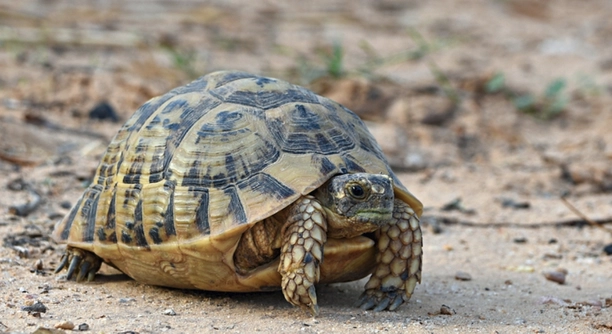
Russian tortoises are curious little creatures with distinct behaviors. If you’ve noticed your tortoise rubbing its face on objects, you might be wondering what’s behind this odd behavior. Let’s explore what could be going on.
The most common reason for a Russian tortoise rubbing its face on objects is related to shedding its skin. They may rub their face to help remove old, dry skin or to alleviate irritation. Other causes can include stress, marking territory, or discomfort.
Understanding why your tortoise rubs its face will help ensure its well-being and comfort. It’s important to know the underlying reasons and how to address them properly.
Reasons Your Russian Tortoise Might Be Rubbing Its Face
When a Russian tortoise rubs its face against objects, it’s often linked to shedding its skin. Like many reptiles, they shed periodically, and this process can lead to dry or flaky skin, especially around the head and face. Rubbing against surfaces like rocks, walls, or substrate can help remove the old skin. This is a natural process that doesn’t typically cause harm. However, if you notice your tortoise rubbing its face excessively or if there are signs of injury, it might be time to check its environment for stressors or discomfort.
If shedding is the cause, you can assist by ensuring your tortoise has a humid environment. A slight increase in humidity can help ease the shedding process. Make sure your tortoise has a place to hide and access to fresh water to promote its comfort.
In addition to skin shedding, stress can also trigger this behavior. A change in habitat, a new pet, or loud noises could make your tortoise anxious. Providing a stable, calm environment with proper hiding spots will reduce these stress-induced actions. Be mindful of its surroundings, as excessive rubbing might indicate that it’s trying to alleviate stress or discomfort.
Addressing the Issue and Keeping Your Tortoise Healthy
If your tortoise is rubbing its face on objects more than usual, first ensure it’s not due to shedding. Pay close attention to how your tortoise behaves in its environment. Sometimes, it could be dealing with too much humidity or, conversely, not enough. Adjust the temperature and humidity levels to suit your tortoise’s needs. If the rubbing doesn’t stop after making adjustments, consider examining your tortoise’s skin for any signs of infection or injury. You can also try providing additional textures in its habitat to see if it helps with its behavior.
Finally, check if your tortoise has been stressed by any recent changes. A consistent, stress-free environment with proper care is key to a happy and healthy tortoise. If you’re unsure, reaching out to a vet who specializes in reptiles can give you peace of mind.
Skin Shedding and Face Rubbing
Skin shedding is a natural process for Russian tortoises, especially during certain seasons. They shed old skin to make room for new growth. This can cause dryness and irritation, leading to rubbing on objects. The behavior is mostly harmless unless the skin isn’t shedding properly or there’s excessive rubbing.
If your tortoise is rubbing its face more than usual, it could be struggling with shedding. This may happen if the humidity is too low in its environment, making it harder for the skin to shed naturally. To help, consider providing a humid hide or spraying water to assist in the process. Keeping its enclosure clean and free of sharp objects is also important to prevent any injury while rubbing.
Ensure that your tortoise’s skin isn’t inflamed or showing signs of infection after rubbing. If it seems to be in discomfort, a visit to the vet may be needed. Providing the right environment with proper humidity and a variety of textures to rub against can reduce this behavior.
Stress and Environmental Changes
Stress can make a tortoise rub its face, especially after changes in its habitat. New surroundings, different tank mates, or unfamiliar smells can be overwhelming. Tortoises may rub their faces as a coping mechanism when stressed.
To reduce stress, create a stable and familiar environment for your tortoise. Keep its enclosure in a quiet, low-traffic area to avoid constant disturbances. Adding hiding spots or soft materials like coconut husk or moss can help your tortoise feel safe and secure. If you’ve recently moved or changed something significant in the habitat, consider returning to a familiar setup that your tortoise is comfortable with. Maintaining a predictable routine can also help alleviate stress.
If environmental changes aren’t the issue, watch your tortoise closely. Some may rub their face to mark territory, which can be a sign of stress or dominance. In these cases, ensuring that the habitat is large enough and offers enough space for your tortoise to feel unthreatened will make a difference.
Discomfort or Injury
If your Russian tortoise is rubbing its face excessively, it could be due to discomfort or an injury. Rubbing might help relieve irritation caused by a scratch, bite, or something stuck to its face. It’s important to carefully inspect its skin and facial area.
Check for any signs of cuts, abrasions, or swelling. If the tortoise appears to be rubbing one specific area, it might have hurt itself. Injuries can happen from sharp objects in the habitat or accidental falls. If you spot an injury, clean the wound with warm water and seek veterinary care if needed. A clean, safe environment will help prevent further injuries.
Illness and Parasites
Illness or parasitic infections could also cause your tortoise to rub its face. Skin infections or external parasites, like mites, can irritate a tortoise’s skin. This discomfort may lead to face rubbing as the tortoise tries to soothe itself.
Parasites can affect both the skin and eyes, leading to more rubbing behavior. If you suspect an illness or parasite, it’s essential to get a vet’s opinion. A thorough check-up will ensure your tortoise gets the right treatment. Regular cleaning of its habitat can also prevent future infestations.
FAQ
Why does my tortoise rub its face on objects?
Rubbing the face against objects is usually related to shedding, where the tortoise is trying to help remove old skin. It can also be a sign of stress or discomfort. If the rubbing is excessive, it’s important to check for injury or irritation. Ensuring proper humidity and a stress-free environment can help reduce this behavior.
Can rubbing its face be harmful to my tortoise?
Rubbing itself isn’t necessarily harmful, but excessive rubbing can lead to skin irritation or even injury. If you notice any wounds, swelling, or signs of infection, it’s best to consult a vet. It’s important to ensure that the environment is comfortable to prevent these issues.
How can I help my tortoise if it’s rubbing its face too much?
Start by checking the humidity levels in your tortoise’s habitat. Low humidity can make shedding harder, causing it to rub more. Providing a humid hide or misting the enclosure lightly can help. If the rubbing continues, examine the face for injuries or signs of parasites. A vet visit may be necessary if the behavior doesn’t stop.
Can stress cause my tortoise to rub its face?
Yes, stress can be a major factor. Changes in its environment, new animals, or even loud noises can make a tortoise anxious. When stressed, tortoises may rub their faces as a coping mechanism. Reducing disturbances and providing a quiet, safe space can help lower stress levels.
How do I know if my tortoise has an infection or parasites?
Look for signs like swelling, discharge around the eyes or mouth, or changes in behavior. If your tortoise is rubbing its face excessively and shows these symptoms, it might have an infection or parasites. A vet will need to perform tests to diagnose and treat the issue properly.
How can I prevent my tortoise from rubbing its face?
Preventing face rubbing involves ensuring a comfortable environment. Keep the humidity levels appropriate for your tortoise’s species, offer hiding places to reduce stress, and regularly clean its habitat. Remove any sharp objects or potential irritants from the enclosure that might lead to rubbing.
Can my tortoise rub its face to mark territory?
Tortoises may rub their face to mark their territory, especially if they feel threatened or are competing with other animals. This behavior is usually seen in males or when there’s a new addition to the habitat. Providing plenty of space for your tortoise can reduce territorial behaviors.
Is it normal for a tortoise to rub its face during shedding?
Yes, this is completely normal. Tortoises often rub their face to help shed old skin. It’s a natural behavior that helps remove the dry or flaky skin from their head and face. If the rubbing is happening more than usual, check for any problems with the shedding process.
How often do Russian tortoises shed their skin?
Russian tortoises shed their skin several times a year, typically every few months. The shedding frequency can depend on factors like age, diet, and environmental conditions. When shedding, it’s common for them to rub their faces on objects to help remove the old skin.
What should I do if my tortoise rubs its face on the same spot all the time?
If your tortoise rubs its face on the same spot constantly, it may be a sign of an injury or irritation in that area. Inspect the spot carefully for any swelling, redness, or signs of infection. If you see anything concerning, it’s best to consult a vet for treatment.
Can poor diet cause my tortoise to rub its face?
A poor diet could lead to skin problems that may cause your tortoise to rub its face. If your tortoise isn’t getting the right nutrients, it may experience skin issues, including dryness or irritation. Ensure your tortoise is eating a balanced diet with the right amount of vitamins and minerals.
Final Thoughts
Understanding why your Russian tortoise rubs its face on objects can help you provide the best care for it. In most cases, face rubbing is linked to natural behaviors like shedding or a response to discomfort or stress. It’s important to observe your tortoise closely to ensure that the behavior isn’t excessive or caused by something more serious. By monitoring the environment and maintaining proper humidity and temperature levels, you can prevent most issues that lead to rubbing. If the behavior persists or worsens, it’s always a good idea to consult a veterinarian to rule out any infections, injuries, or parasites.
Shedding is a common cause of face rubbing, and it’s a completely natural process for tortoises. However, if the shedding process doesn’t go smoothly, it could cause irritation, leading to rubbing. Ensuring that the humidity in the enclosure is appropriate can help your tortoise shed its skin more comfortably. A slight increase in moisture can ease the process, preventing your tortoise from rubbing its face too much. Offering your tortoise different surfaces to rub against can also provide relief during shedding.
If stress or environmental changes seem to be triggering the behavior, try to create a calm and stable habitat. Tortoises are sensitive to their surroundings, and small changes can cause them to feel uneasy. A quiet, safe space with enough hiding spots and a consistent routine can help reduce stress and the urge to rub. By understanding these behaviors and making small adjustments, you can improve your tortoise’s well-being and comfort. With the right care and attention, your tortoise should be able to live a happy, healthy life without excessive face rubbing.

Hello,
If you enjoy the content that we create, please consider saying a "Thank You!" by leaving a tip.
Every little bit helps us continue crafting quality advice that supports the health, happiness, and well-being of pets around the world, for pets of all shapes, sizes, and species.
We really appreciate the kindness and support that you show us!