
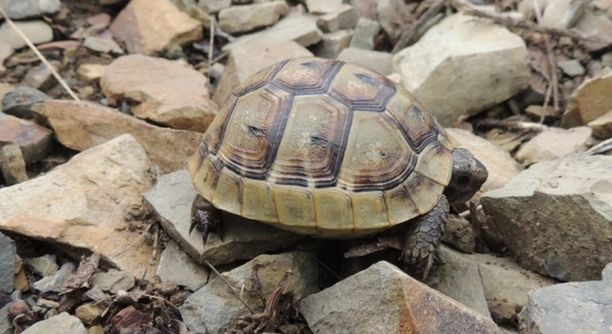
If you’re a proud owner of a Russian Tortoise, you might notice moments when your little friend isn’t eating as much as you’d like. This can be concerning, as their appetite plays a crucial role in their overall health and well-being.
There are several ways to improve your Russian Tortoise’s appetite. Offering a variety of fresh, high-quality foods, maintaining proper temperatures in their environment, and reducing stress can encourage your tortoise to eat more regularly and healthily.
By following simple steps, you can create the ideal conditions for your tortoise to thrive.
Offer a Variety of Fresh, Nutritious Foods
One of the best ways to improve your Russian Tortoise’s appetite is by offering a variety of fresh foods. Tortoises, like people, can get bored with the same meals every day. Incorporating a wide selection of leafy greens, flowers, and vegetables helps provide essential nutrients while keeping your tortoise interested in eating. Common favorites include dandelion greens, collard greens, and clover. You can also offer some fruits, like strawberries or melons, but keep these in moderation due to their high sugar content. The key is variety, so try mixing things up to see what your tortoise likes best.
If you stick to the same food choices each day, your tortoise may start ignoring its meals. Variety helps prevent this.
Offering food that matches your tortoise’s natural diet will also help maintain their health. Wild Russian Tortoises primarily feed on grasses, leaves, and weeds, so try to mimic this in your own backyard if possible. Avoid feeding them high-protein foods, as these can be harmful over time. You should also wash all food thoroughly to remove any pesticides or chemicals that could be toxic to them. Providing fresh food daily, combined with some time outside for foraging, can encourage a healthy appetite and better digestion.
Maintain Proper Temperature and Lighting
Maintaining a consistent temperature and lighting schedule is crucial for your tortoise’s appetite. If the environment is too cold, your tortoise might not feel hungry or energetic enough to eat. Tortoises require warmth to digest their food properly, and a basking spot should be around 90°F. Ensure their habitat has a cool area for them to retreat to as well. Proper lighting is also vital, as UVB rays help them absorb calcium and regulate their metabolism, affecting their overall appetite.
Correct heating and lighting create a balanced environment that supports your tortoise’s digestion and eating habits. It also encourages activity, which can increase hunger.
Reduce Stress in Their Environment
A calm environment plays a big role in improving your Russian Tortoise’s appetite. Stress can lead to reduced eating or even illness. Ensure that their habitat is quiet and away from loud noises or other pets that might intimidate them. Too much handling can also cause stress, so avoid excessive interaction.
Stress can cause your tortoise to lose interest in food, leading to weight loss and health problems. To reduce stress, make sure their enclosure is spacious, allowing them to move freely. If you’re using a smaller tank, consider upgrading it to give your tortoise more space. Try to keep the environment consistent by avoiding sudden changes in temperature or habitat layout. Routine feeding times can also offer a sense of security, encouraging your tortoise to eat more.
A stressed tortoise will also be less active, which affects their appetite. Ensure the environment is both stimulating and safe. Incorporate hiding spots where they can feel secure, and offer different types of substrates for digging. If you notice your tortoise acting unusually, it might be time to evaluate their surroundings.
Check for Health Issues
Health problems can also cause a lack of appetite in your Russian Tortoise. If your tortoise isn’t eating, it’s essential to look for signs of illness, like lethargy, swelling, or irregular movements. Any change in their behavior might indicate an underlying health issue.
Make sure your tortoise is not suffering from common health problems such as respiratory infections, parasites, or shell rot. A vet checkup can help identify any problems early. Keep an eye on their eyes, mouth, and shell, as these areas are often affected when something’s wrong. If you suspect an issue, seek veterinary advice promptly.
Regular health checks are vital in keeping your tortoise happy and eating well. Avoid medicating without professional advice, as improper treatment can worsen the condition. Early diagnosis and treatment can make a significant difference in your tortoise’s recovery and appetite.
Offer Supplemental Foods
Sometimes, your Russian Tortoise might need a little extra help with its diet. Offering calcium or vitamin supplements can ensure they are getting the nutrients they need. It can also encourage them to eat more if they sense they are missing certain nutrients.
Be cautious with supplements and use them sparingly. Too much calcium can cause kidney problems, and excessive vitamins can harm their health. Always follow the recommended dosage and consult with a vet before introducing supplements into their diet.
Check for Overfeeding
Overfeeding can be a problem, especially if you’re offering too many high-calcium or sugary foods. If your tortoise is eating a lot of treats but not the healthier meals, this can lead to a reduced appetite for more balanced foods.
Ensure that treats don’t make up a significant portion of their diet. Stick to a proper feeding schedule that prioritizes greens and vegetables, and limit fruits or other high-sugar options. By providing healthier food choices in controlled portions, you’ll prevent overfeeding and encourage a balanced appetite.
FAQ
What are the signs that my Russian Tortoise is not eating enough?
If your Russian Tortoise isn’t eating enough, you may notice weight loss, a lack of energy, or a decrease in activity. You might also see that they’re more lethargic than usual, hiding more, or not responding to food. If you notice these changes, it’s a good idea to check their environment and diet first, and consider a vet visit if the problem persists.
How often should I feed my Russian Tortoise?
Russian Tortoises are typically fed every other day, with some owners opting for daily feeding. The important thing is to provide them with enough fresh vegetables, herbs, and a variety of foods to keep them healthy. Offering a balanced diet on a regular schedule helps them maintain a healthy appetite. You can adjust the feeding frequency depending on your tortoise’s size, age, and activity levels.
Can I feed my Russian Tortoise fruit every day?
No, fruits should be given in moderation. Too much fruit can lead to weight gain or digestive problems due to its high sugar content. Fruits should be treated as treats and offered only a few times a week. Stick to leafy greens, weeds, and vegetables as the core of their diet to ensure proper nutrition.
Should I feed my Russian Tortoise by hand?
Feeding by hand can help encourage your tortoise to eat, but it’s not necessary. In fact, some tortoises might prefer to eat from a dish or forage on their own. If you do choose to feed by hand, make sure you’re not overhandling them, as too much interaction can cause stress and affect their appetite.
Can temperature affect my tortoise’s appetite?
Yes, temperature plays a significant role in your tortoise’s appetite. If the habitat is too cold, your tortoise may not feel hungry or may struggle to digest its food properly. Ensure the basking spot is around 90°F and that the cooler side of the enclosure is about 75°F. The right temperature will help your tortoise stay active and eat more.
How can I tell if my tortoise is stressed?
Signs of stress in a Russian Tortoise can include hiding more often, not eating, pacing or restless behavior, and even biting or aggressive actions. Sudden changes in their environment, excessive handling, or the presence of other pets can cause these symptoms. If you notice these behaviors, try to reduce stressors in their surroundings, such as noise or overhandling.
Can my Russian Tortoise’s appetite change with age?
Yes, older tortoises may eat less than younger ones. As they get older, their metabolism slows down, and their activity levels decrease. This can lead to a reduced appetite, but as long as they’re still eating regularly and maintaining a healthy weight, there’s no need to worry. Keep offering a variety of foods and ensure they have a comfortable environment.
Is it safe to feed my Russian Tortoise store-bought salad mixes?
Store-bought salad mixes can sometimes be safe for your tortoise, but you should be cautious. Many salad mixes contain ingredients like iceberg lettuce, which lacks nutritional value. Always check the ingredients list to ensure there are no harmful additives or chemicals. Fresh, organic vegetables are always the safest option.
How do I help my tortoise if it’s not eating due to illness?
If your Russian Tortoise isn’t eating because of illness, it’s crucial to get a vet’s opinion. A professional can diagnose the issue and provide treatment. In some cases, your vet may suggest syringe feeding or introducing certain medications to help boost their appetite. Never attempt to treat a sick tortoise without veterinary guidance.
What’s the best substrate for a Russian Tortoise’s enclosure to improve appetite?
The right substrate helps create a comfortable environment that encourages your tortoise to move and forage. Safe options include organic soil, coconut coir, or shredded newspaper. These materials retain moisture and allow for digging behavior, which can stimulate your tortoise’s natural instincts and encourage a healthy appetite.
How long can a Russian Tortoise go without eating?
While a healthy adult Russian Tortoise can go without eating for a few days, it’s not ideal for their well-being. If your tortoise has gone without food for an extended period, it could indicate a health problem or stress. A sudden lack of appetite that lasts more than a few days should be addressed by a vet.
Can I feed my tortoise cactus pads?
Cactus pads are a safe food choice for Russian Tortoises, and many of them enjoy the moisture and texture of cactus. Just make sure the cactus pads are prepared correctly—remove the spines and cut the pads into manageable pieces. Offering cactus occasionally adds variety to their diet, but should not replace their main greens.
Final Thoughts
Improving your Russian Tortoise’s appetite doesn’t require drastic changes, but small adjustments to their diet and environment can make a big difference. Offering a variety of fresh, nutritious foods like leafy greens, flowers, and vegetables will keep your tortoise interested in eating. Providing them with occasional fruits as treats can also add variety to their diet. Don’t forget that the right food, combined with a suitable habitat, will support their overall well-being. This ensures that your tortoise remains healthy, active, and hungry for its next meal.
Aside from food, the environment plays a key role in improving appetite. Maintaining the right temperature is crucial. Without the proper warmth, your tortoise may lose its appetite and struggle with digestion. Be sure the basking area stays around 90°F, and the cooler side of the enclosure stays around 75°F. Lighting is equally important, as UVB rays help with calcium absorption and metabolism. By keeping your tortoise’s environment stable and free of stressors, you’ll likely see a healthier appetite and more active behavior. A calm, consistent setting is essential for a happy and well-fed tortoise.
If your tortoise isn’t eating despite following these steps, it may be due to a health issue. Always check for signs of illness like lethargy, abnormal behavior, or weight loss. In such cases, consult a veterinarian who specializes in reptiles for a proper diagnosis. Regular check-ups can help catch problems early and prevent appetite loss. By monitoring both the physical and environmental factors, you’ll create the best conditions for your Russian Tortoise to thrive. Whether it’s making adjustments to their diet, improving their habitat, or seeking medical advice, small actions can go a long way in ensuring they stay healthy and well-fed.

Hello,
If you enjoy the content that we create, please consider saying a "Thank You!" by leaving a tip.
Every little bit helps us continue crafting quality advice that supports the health, happiness, and well-being of pets around the world, for pets of all shapes, sizes, and species.
We really appreciate the kindness and support that you show us!