
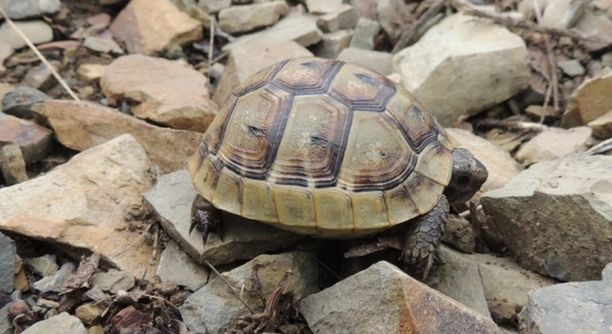
Is your Russian tortoise constantly stretching its neck, leaving you wondering if something is wrong? This behavior can be surprising, especially if you are unsure what it means. Understanding the reasons behind it can help you care for your pet better.
Russian tortoises stretch their necks for several reasons, including basking, breathing, or displaying alertness. In some cases, it may indicate a health issue such as respiratory infection or discomfort. Observing other signs and their environment can help determine the exact cause.
Environmental factors, health concerns, and natural instincts all play a role in this behavior. Learning more about these aspects will ensure your tortoise stays healthy and comfortable in its habitat.
Common Reasons for Neck Stretching
Russian tortoises often stretch their necks while basking under a heat lamp. This helps them absorb warmth more effectively, which is important for digestion and overall health. They may also do this when breathing deeply, especially after activity or when adjusting to a new temperature. Sometimes, they extend their necks to observe their surroundings better. This behavior is natural and usually not a concern. However, if it happens frequently or seems excessive, it is worth paying closer attention. Changes in their environment or health could be influencing their actions.
If your tortoise stretches its neck frequently while making wheezing sounds or gasping for air, it might have a respiratory infection. Other signs include nasal discharge, lethargy, and loss of appetite. Catching these symptoms early is important for treatment.
A clean habitat, proper temperatures, and a nutritious diet help prevent health problems. Regularly observing your tortoise ensures you can spot unusual behaviors quickly.
When to Be Concerned
Occasional neck stretching is normal, but if your tortoise does it constantly, there could be an issue. Respiratory infections, stress, or improper heating might be affecting its behavior. Identifying the cause early helps prevent more serious health problems.
Respiratory infections are common in tortoises exposed to cold or damp conditions. If your tortoise is gasping, wheezing, or has mucus around its nose, it likely needs veterinary care. Stress can also cause unusual behaviors. Loud noises, handling too much, or sudden changes in environment might make your tortoise feel uneasy. In some cases, improper basking temperatures lead to discomfort, making them stretch their necks more often. Ensuring their enclosure stays warm and dry is essential for their well-being.
Monitoring their behavior, adjusting their habitat, and providing proper care can make a big difference. If symptoms persist or worsen, consulting a reptile veterinarian is the best option.
Environmental Factors That Influence Neck Stretching
Temperature plays a big role in how a Russian tortoise behaves. If the basking area is too cool, they may stretch their necks to absorb more heat. On the other hand, if it is too hot, they might extend their necks while trying to regulate their body temperature.
Humidity levels can also affect their behavior. A habitat that is too dry may cause discomfort, leading them to stretch their necks in response. On the other hand, excessive humidity increases the risk of respiratory infections, which can also cause frequent neck stretching. Keeping the humidity between 40% and 60% is ideal. Proper ventilation and regular misting, when needed, help maintain balance. Observing your tortoise’s reactions to different humidity levels can guide you in making the right adjustments.
Lighting is another important factor. Tortoises need UVB light for proper digestion and shell health. If they are not getting enough, they may stretch their necks in an attempt to get closer to the light. A UVB bulb should be placed at the right distance and replaced regularly to ensure its effectiveness. Making sure their habitat has proper lighting will support their health and help prevent unusual behaviors.
How to Help Your Tortoise Feel Comfortable
Providing the right basking temperature prevents unnecessary neck stretching. A basking spot should be around 95°F, while the cooler side should stay between 75°F and 85°F. Using a high-quality heat lamp and checking the temperature with a thermometer ensures the right conditions.
A well-maintained habitat reduces stress and promotes healthy behavior. The enclosure should have a mix of warm and cool areas, allowing the tortoise to regulate its body temperature naturally. A hiding spot is also essential for security, as stress can cause unusual behaviors. If your tortoise seems restless, adjusting the environment may help. The substrate should be soft and easy to burrow in, providing comfort and encouraging natural behaviors.
Diet plays a key role in overall health. A varied diet of leafy greens, vegetables, and calcium supplements supports their well-being. If a tortoise is not getting enough nutrients, it may develop health issues that lead to unusual behaviors. Fresh water should always be available. Regular checkups with a reptile veterinarian ensure any potential problems are caught early. Making small improvements to their care can lead to a happier and healthier tortoise.
Signs That Require Veterinary Attention
If your tortoise is stretching its neck while wheezing, gasping, or has mucus around its nose, it may have a respiratory infection. Other signs include loss of appetite, lethargy, and swollen eyes. A vet visit is necessary to prevent the condition from worsening.
Neck stretching combined with excessive yawning or difficulty swallowing could indicate a throat infection or other internal issue. If your tortoise shows signs of discomfort, such as frequent stretching without relaxing, seeking veterinary care is the best option. Early treatment can prevent serious health problems and ensure a quicker recovery.
Adjusting Care Based on Behavior
Observing your tortoise’s daily habits helps determine if any changes are needed. If they stretch their neck often, check the temperature, humidity, and lighting in their enclosure. Adjusting these conditions can help reduce unnecessary behaviors and improve their comfort. Proper care prevents stress and supports overall health.
Final Thoughts
Providing the right habitat and diet reduces the chances of unusual behaviors. If stretching becomes excessive or is paired with other symptoms, a veterinarian can help. Small adjustments in care can make a big difference in your tortoise’s health and well-being.
FAQ
Why does my Russian tortoise stretch its neck while basking?
This is a natural behavior that helps them absorb more heat. Tortoises rely on external heat sources to regulate their body temperature, and stretching their neck allows them to get closer to the warmth. This is especially common in cooler environments where they need extra heat to stay comfortable.
Can neck stretching be a sign of stress?
Yes, stress can cause unusual behaviors, including frequent neck stretching. Loud noises, too much handling, or sudden changes in their environment may make them feel uneasy. Providing a quiet space, a proper hiding area, and a stable routine can help reduce stress and encourage normal behavior.
Is neck stretching a sign of illness?
It can be. If your tortoise is also wheezing, gasping, or has mucus around its nose, it may have a respiratory infection. Other possible causes include throat irritation, dehydration, or nutritional deficiencies. If the behavior seems excessive or is paired with other symptoms, a vet check is recommended.
How do I know if my tortoise has a respiratory infection?
Symptoms include wheezing, open-mouth breathing, nasal discharge, loss of appetite, and lethargy. Tortoises with respiratory infections may also stretch their necks frequently while struggling to breathe. If you notice these signs, keeping them warm and visiting a reptile veterinarian as soon as possible is important.
Does improper lighting cause excessive neck stretching?
Yes, Russian tortoises need UVB lighting to process calcium and stay healthy. If their UVB exposure is insufficient, they may stretch their necks while trying to reach the light. Replacing UVB bulbs every six months and ensuring they are at the right distance will prevent deficiencies.
Can dehydration cause my tortoise to stretch its neck?
Dehydration can lead to dry skin, sunken eyes, and unusual behaviors, including frequent neck stretching. Providing fresh water daily and offering occasional shallow soaks can help keep your tortoise properly hydrated. A diet rich in leafy greens with high water content also supports hydration.
Should I be worried if my tortoise stretches its neck while eating?
Not necessarily. Some tortoises stretch their necks when reaching for food, especially if it is placed at an angle or further away. However, if they seem to have difficulty swallowing or frequently stretch their neck without eating, it could indicate a throat infection or other health issue.
How can I prevent my tortoise from stretching its neck too often?
Providing a well-maintained habitat with proper heating, humidity, and lighting is key. Ensure they have a basking spot around 95°F, a cool zone between 75°F and 85°F, and a UVB bulb for proper calcium absorption. A stress-free environment with minimal disturbances also helps prevent unnecessary behaviors.
When should I take my tortoise to the vet?
If your tortoise’s neck stretching is frequent and paired with other concerning symptoms like breathing issues, lethargy, or a lack of appetite, a vet visit is necessary. Early detection of illnesses like respiratory infections can prevent more serious health problems. Regular checkups also help ensure long-term health.
Final Thoughts
Russian tortoises stretch their necks for many reasons, including basking, breathing, and observing their surroundings. In most cases, this behavior is completely normal and nothing to worry about. However, if it becomes excessive or is paired with symptoms like wheezing, lethargy, or loss of appetite, it could indicate a health issue. Respiratory infections, dehydration, and stress are some of the common concerns associated with frequent neck stretching. Paying close attention to other signs can help determine if something is wrong. Early intervention is always the best way to ensure your tortoise stays healthy and comfortable.
Providing a well-maintained habitat is the key to preventing unnecessary neck stretching. The right temperatures, humidity levels, and UVB lighting all play an important role in their overall health. A basking area around 95°F, a cooler side between 75°F and 85°F, and a humidity range of 40% to 60% create a comfortable living space. Clean water, a balanced diet, and a stress-free environment also support natural behaviors. If your tortoise is constantly stretching its neck, checking and adjusting these conditions can help. Observing their daily habits will make it easier to notice any changes that could signal a problem.
Regular veterinary checkups are beneficial, even if your tortoise seems healthy. Reptiles often hide signs of illness until the condition becomes serious, so professional examinations can catch issues early. If you ever notice unusual behavior that does not improve with environmental adjustments, consulting a vet is the safest option. With the right care, Russian tortoises can live long and healthy lives. Ensuring they have a stable environment, proper nutrition, and routine health monitoring will help prevent common issues. By understanding their behaviors, you can provide the best care and keep your tortoise happy in its habitat.

Hello,
If you enjoy the content that we create, please consider saying a "Thank You!" by leaving a tip.
Every little bit helps us continue crafting quality advice that supports the health, happiness, and well-being of pets around the world, for pets of all shapes, sizes, and species.
We really appreciate the kindness and support that you show us!