
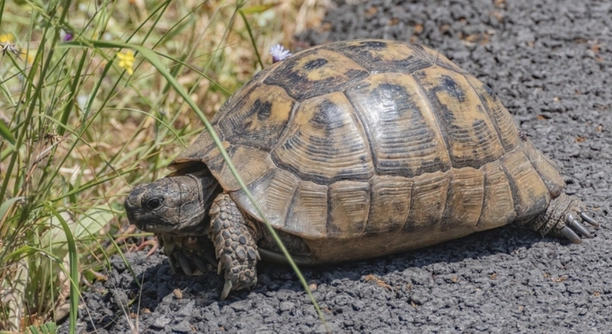
Creating a digging box for your Russian tortoise can provide them with the enrichment they need. It mimics natural behaviors like burrowing and exploring, helping to keep them healthy and engaged in their environment.
To make a digging box for your Russian tortoise, start with a shallow container filled with safe, moisture-retaining substrate like soil or coconut fiber. This setup will allow your tortoise to dig and explore, simulating their natural habitat.
Setting up the perfect digging box is easy and will benefit your tortoise. Keep reading to discover tips for creating a comfortable and stimulating space for them to enjoy.
Why a Digging Box is Important for Your Russian Tortoise
A digging box is essential for the well-being of your Russian tortoise. These tortoises naturally live in arid environments, where they dig to find food and create burrows. Providing them with an area to dig and explore keeps them mentally and physically active. Without proper stimulation, tortoises can become stressed, which may lead to health problems. The digging activity mimics their natural behavior, helping them feel more comfortable and less anxious. Additionally, burrowing helps with temperature regulation and can provide a safe, quiet place for your tortoise to rest.
Creating a digging box can be simple but incredibly beneficial for your tortoise’s happiness. By mimicking their natural environment, they can enjoy their habitat more fully.
When setting up a digging box, keep in mind that the substrate you use plays a key role in your tortoise’s comfort. Choose a material that retains moisture but doesn’t become soggy, as it needs to support digging. Coconut fiber and organic soil work well for this purpose. Be sure to use non-toxic materials, avoiding anything that could harm your tortoise. The box itself should be shallow enough for your tortoise to easily climb in and out of, yet deep enough to allow for adequate digging space. Ensure the box is large enough for your tortoise to move around freely and explore.
What to Use for the Digging Substrate
The right substrate is critical for your tortoise’s digging box. The wrong choice can lead to discomfort or health issues.
Soil is a great option for your digging box because it allows your tortoise to burrow easily. Avoid using sand or gravel, as they can cause digestive problems if ingested. Moisture is also key to creating a natural environment. Consider mixing coconut fiber with organic soil to maintain humidity while allowing for proper drainage.
Keep the substrate moist but not too wet. You can spray it with water to maintain the ideal moisture level. Be sure to change the substrate regularly to prevent it from becoming too compacted or soiled. You’ll also want to check for any mold or bacteria growth, which could harm your tortoise. When selecting the right materials, always opt for natural, non-toxic options. By providing your Russian tortoise with a comfortable, well-maintained digging box, you’ll ensure they stay happy and healthy.
Size of the Digging Box
The size of the digging box is important for your Russian tortoise’s comfort and health. It should be spacious enough to allow free movement and digging.
A box that’s too small will make your tortoise feel cramped, leading to stress or behavioral issues. Ideally, the digging box should be at least 2 to 3 times the size of your tortoise. This gives them enough space to move around and explore, mimicking the natural environment. Keep in mind that your tortoise may spend a lot of time in the box, so it’s essential that they have enough room to stretch out and dig freely.
If the box is large enough, you can add hiding spots or small plants to make the space feel more natural. These additions will help encourage exploration, giving your tortoise a stimulating environment to enjoy.
Location of the Digging Box
Place the digging box in an area where your tortoise can access it easily. Avoid locations where they feel exposed or stressed.
Choosing a quiet and secure spot in their habitat will make the digging box more appealing. It should be away from heavy foot traffic and not near bright lights. Too much activity around the box may make your tortoise feel unsafe, preventing them from enjoying the space fully. A well-hidden, calm corner can mimic the secluded spots they seek in nature.
Ensure the area has a stable temperature. Russian tortoises thrive in warm, dry environments, so avoid placing the box in overly humid or cold spots. Keep the box in an area where the temperature can be controlled, to prevent any sudden changes that could stress your tortoise.
Adding Plants and Decorations
Including plants and decorations can enhance your tortoise’s digging box. They provide stimulation and a more natural setting.
Choose safe, non-toxic plants that can survive in your tortoise’s environment. Fake plants can also work, but live plants offer additional benefits, such as humidity control. Place them strategically around the box to encourage exploration.
Substrate Depth
The depth of the substrate is another key factor. It should be deep enough for your tortoise to dig comfortably.
Aim for at least 4 to 6 inches of substrate. This allows your tortoise to engage in natural digging behaviors. Make sure the material doesn’t become compacted over time, as that can hinder their ability to burrow.
FAQ
How often should I change the substrate in the digging box?
It’s important to refresh the substrate regularly to keep the environment clean and healthy for your tortoise. Change the substrate every 2 to 4 weeks, depending on how quickly it becomes soiled. If you notice any mold, unpleasant odors, or compacted material, it’s time to replace it. Keep a watchful eye on the condition of the substrate and adjust the cleaning schedule as needed.
Can I use sand or gravel in the digging box?
It’s best to avoid using sand or gravel. These materials can be harmful to your tortoise if ingested, and they don’t support digging as effectively as soil or coconut fiber. Sand may also cause impaction, where particles accumulate in their digestive tract, leading to health issues. Stick to safe, natural soil alternatives for your digging box.
How deep should the digging box be?
The digging box should have enough depth for your tortoise to dig comfortably. A depth of 4 to 6 inches is usually sufficient for most Russian tortoises. However, this may vary based on the size of your tortoise. A deeper box gives your tortoise more freedom to engage in natural burrowing behaviors. Ensure that the substrate doesn’t get too compacted over time.
What kind of plants can I put in the digging box?
You can add non-toxic, hardy plants to your tortoise’s digging box, such as dandelions, clover, or succulents. These plants provide natural enrichment and help mimic your tortoise’s natural habitat. Be sure to research any plant you plan to introduce to avoid anything toxic. Fake plants can also be used but won’t offer the same benefits as live ones.
Do I need to add water to the digging box?
While you don’t need to have standing water in the digging box, it is important to maintain the right level of moisture in the substrate. Lightly spray the soil or coconut fiber with water to keep it damp but not soaked. This will encourage digging and prevent the substrate from becoming too dry and dusty. Monitor the moisture level regularly to ensure it stays comfortable for your tortoise.
Should I put a lid on the digging box?
You don’t need to put a lid on the digging box unless you want to prevent your tortoise from escaping or if there are other pets in the area. Ensure the box is shallow enough that your tortoise can easily climb in and out. However, if you’re concerned about keeping the substrate in place or maintaining the right humidity levels, a breathable lid or mesh cover can be a good solution.
Can I use this digging box for other types of tortoises?
Yes, this digging box setup can work for other types of tortoises, though some species may have different needs. It’s essential to consider the size and natural environment of the tortoise. Some species may require more or less space or different substrate types. Be sure to research the specific needs of the tortoise species you own and adjust the box accordingly.
What if my tortoise doesn’t use the digging box?
If your tortoise is not using the digging box, it could be due to a number of factors. Check if the substrate is too dry or too wet, as this can affect your tortoise’s interest in digging. Additionally, make sure the box is placed in a calm, secure area. Adding plants, decorations, or hiding spots can encourage exploration. If the issue persists, try adjusting the box size or placement to make it more appealing.
How do I keep the digging box clean?
To keep the digging box clean, spot clean it every few days. Remove any soiled areas, leftover food, or debris. A deep cleaning every 2 to 4 weeks, when you change the substrate, will ensure the box remains hygienic. Use non-toxic cleaning products if you need to sanitize the box, and allow it to air dry before refilling it with fresh substrate.
Is it necessary to provide a digging box year-round?
Yes, it’s beneficial to provide your tortoise with a digging box year-round. Tortoises are naturally burrowing animals, and they benefit from the mental stimulation and exercise it provides. A digging box also helps them stay engaged and active, preventing boredom and stress. Even during the colder months, make sure the digging box is accessible and maintained for your tortoise’s well-being.
What other enrichment can I provide for my tortoise besides the digging box?
In addition to the digging box, you can offer your tortoise other enrichment activities, such as variety in their diet (e.g., weeds, leafy greens, and flowers), climbing structures, or hiding spots. Interaction with their environment and regular changes in their habitat can keep them mentally stimulated. Offering safe outdoor time in a secure enclosure can also provide fresh air and space for exploration.
Final Thoughts
Creating a digging box for your Russian tortoise is a simple yet effective way to enrich their environment. Tortoises are naturally inclined to dig and burrow, so providing a designated space to do so helps mimic their natural habitat. This activity not only provides physical exercise but also helps with mental stimulation. By offering them a place to dig, you give them a chance to engage in behaviors that are instinctual and important for their well-being. Whether you’re a new tortoise owner or have had your pet for years, this addition to their habitat can make a big difference in their quality of life.
When setting up the digging box, remember that the materials you use are just as important as the box itself. Choosing the right substrate, such as coconut fiber or soil, is essential for your tortoise’s comfort. It’s also important to keep the substrate clean and at the right moisture level. A digging box that is too dry or too wet can make it less enjoyable for your tortoise and lead to health issues. The depth of the box should allow your tortoise to dig freely, so aim for at least a few inches of substrate. It’s also beneficial to place the box in a quiet, safe area of their habitat where they can feel secure.
In the end, the effort you put into creating a digging box pays off by giving your tortoise a more engaging and fulfilling environment. Regularly checking the condition of the box and adjusting it as needed ensures that your tortoise’s space remains suitable and safe. Whether it’s the simple act of digging or the enrichment of adding plants and hiding spots, your Russian tortoise will appreciate the opportunity to explore and engage in natural behaviors. With just a little thought and care, you can provide your tortoise with a better living space that supports their health and happiness.

Hello,
If you enjoy the content that we create, please consider saying a "Thank You!" by leaving a tip.
Every little bit helps us continue crafting quality advice that supports the health, happiness, and well-being of pets around the world, for pets of all shapes, sizes, and species.
We really appreciate the kindness and support that you show us!