
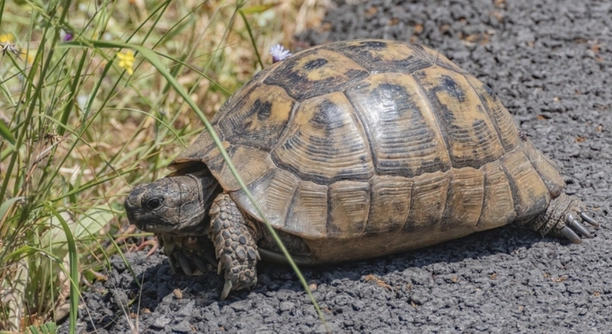
A Russian tortoise not drinking may raise concerns for its owner. Understanding what this behavior could mean is important for its health and well-being. Knowing how to address it can help ensure your tortoise stays happy and healthy.
If a Russian tortoise stops drinking, it may be due to various reasons such as dehydration, environmental stress, or illness. It is essential to assess the tortoise’s habitat, behavior, and overall health to identify the underlying cause and take appropriate action.
Taking steps to monitor their water intake and environment can help address the issue. This article will guide you in recognizing the signs and understanding the potential reasons behind this behavior.
Common Reasons a Russian Tortoise Stops Drinking
When a Russian tortoise stops drinking, it may be an indication of several factors. One of the main reasons is dehydration, which can occur if they do not have access to clean water. The temperature and humidity of the environment play a significant role in their hydration levels as well. A tortoise kept in a dry, warm environment may struggle to absorb enough water from their surroundings. Additionally, stress caused by loud noises, frequent handling, or changes in their habitat can lead to a lack of interest in drinking. Illness, including infections or internal parasites, can also cause a tortoise to stop drinking. When the tortoise’s immune system is compromised, it can affect its appetite and hydration.
Environmental stress is another common issue. If the temperature is too high or the humidity too low, your tortoise may feel uncomfortable and less likely to drink. Moreover, a lack of proper hiding spots can make them feel insecure, contributing to stress. Sometimes, if a tortoise is not getting enough exercise, it may become lethargic, leading to less activity around the water dish.
The behavior could also be related to the tortoise’s diet. If your tortoise is consuming dry foods without sufficient water, it may be dehydrated. Supplementing their diet with fresh leafy greens that have high water content is helpful. In some cases, certain medications or changes in diet can cause a decrease in thirst. If dehydration becomes severe, it can lead to more serious health issues, so it’s essential to monitor hydration closely.
How to Encourage Your Tortoise to Drink
To encourage your Russian tortoise to drink, it’s important to start by ensuring the water dish is clean and easily accessible. The water should be changed daily to keep it fresh and free of contaminants. Make sure the water is shallow enough for the tortoise to easily access without the risk of drowning. Adding a water bowl that has a textured surface or placing it in a corner can make your tortoise feel more secure while drinking. You can also provide a shallow dish of water to allow the tortoise to soak in, which will help with hydration.
Another way to help is to slightly mist their habitat to raise the humidity levels. This can encourage the tortoise to drink more, especially if they are not fond of direct water sources. Additionally, offering fresh vegetables and fruits that contain high water content, like cucumbers or watermelon, can help supplement their hydration. While Russian tortoises typically prefer dry environments, a slight increase in humidity can benefit their overall health without making them too uncomfortable. If the problem persists, it’s a good idea to take the tortoise to a vet for further evaluation.
How Temperature and Humidity Affect Hydration
If the temperature in your tortoise’s habitat is too high, it can cause dehydration. A warm environment increases water loss through evaporation, making it harder for the tortoise to stay hydrated. Conversely, if the humidity is too low, the tortoise may not absorb enough moisture from the air or substrate. It’s important to keep the habitat at a stable temperature, ideally between 75-85°F (24-29°C). Maintaining humidity at around 40-50% can help prevent dehydration. A proper balance allows the tortoise to regulate its body temperature and hydration more effectively.
Sometimes, adjusting the humidity alone can encourage your tortoise to drink more. You can lightly mist their enclosure to keep the air more humid, which provides extra moisture. However, be cautious not to make the environment too humid, as Russian tortoises prefer dry conditions. It’s a fine balance to achieve an ideal habitat. Providing a consistent temperature gradient and enough hiding spaces where your tortoise feels secure can also reduce stress. This ensures the tortoise remains comfortable enough to drink and hydrate properly.
If the humidity and temperature are off, your tortoise may become lethargic and may stop drinking altogether. Therefore, regularly check the conditions of their enclosure. Using a thermometer and hygrometer to monitor temperature and humidity levels can help ensure they remain within the optimal range. Adjusting the lighting system or placing heat lamps appropriately can make a noticeable difference in your tortoise’s hydration habits. Creating an ideal living environment should be your first step if your tortoise has stopped drinking.
Recognizing Signs of Dehydration
Dehydration in a Russian tortoise can often be seen through visible signs. One of the most common indicators is dry, sunken eyes. If your tortoise’s eyes appear dull and are not as bright as usual, this could be an early sign of dehydration. Another noticeable sign is a loss of elasticity in the skin. If you gently pinch the skin, it may not return to its original position quickly, indicating that the tortoise is dehydrated. You may also notice that your tortoise is more lethargic than usual or not moving around as much.
In addition to these physical signs, a dehydrated tortoise may stop eating or become less active. They may avoid drinking water or soaking in their water dish, which is their usual way of rehydrating. It’s important to monitor their behavior closely and take action if you suspect dehydration. Immediate intervention can prevent more serious health issues. Offering water through a dropper or soaking the tortoise can help rehydrate them until they resume drinking on their own. If the condition doesn’t improve, a vet visit is necessary.
Illness and Health Conditions
If your Russian tortoise is sick, it may lose interest in drinking water. Illnesses like respiratory infections, kidney problems, or internal parasites can cause dehydration. It’s important to watch for other signs such as nasal discharge, wheezing, or changes in appetite. These health issues can prevent your tortoise from staying hydrated.
A vet visit is essential if you suspect illness. Diagnosing the exact cause can be difficult, but a professional can perform tests to identify infections, parasites, or other medical issues. If diagnosed early, these conditions can often be treated effectively.
Stress and Environmental Changes
Stress is a major factor that can cause a tortoise to stop drinking. Changes in their environment, such as a move to a new enclosure or loud noises, can trigger anxiety. A stressed tortoise may withdraw and refuse to drink water. Ensuring a stable, calm habitat is important for their well-being.
When setting up the habitat, be sure to place it in a quiet area where the tortoise won’t feel threatened. Providing hiding spaces, proper lighting, and maintaining a consistent environment can help reduce stress levels. A comfortable, secure environment is essential for encouraging hydration.
FAQ
What should I do if my tortoise isn’t drinking?
If your tortoise isn’t drinking, the first step is to check the environment. Ensure that the temperature and humidity are within the optimal range for your tortoise’s species. You can lightly mist the enclosure to raise the humidity if it’s too low. Make sure the water dish is clean and accessible, and place it in a quiet, secure spot where your tortoise feels comfortable drinking. If your tortoise still refuses water, try soaking them in lukewarm water for 20-30 minutes. This may encourage them to drink or absorb moisture through their skin. If this doesn’t work, consult a vet to rule out any underlying health issues.
How can I tell if my tortoise is dehydrated?
Dehydration in a tortoise is often evident by dry, sunken eyes, and loose or wrinkled skin. You can perform a simple skin test: gently pinch the skin, and if it doesn’t return to its normal position quickly, the tortoise is likely dehydrated. Another sign is lethargy or a lack of appetite. Dehydrated tortoises may also avoid drinking or soaking in their water dish. If you notice these signs, immediately provide water or soak your tortoise. If the condition persists or worsens, a vet should evaluate your tortoise.
Can a tortoise go without water for a long time?
Tortoises can survive for short periods without drinking water, but prolonged dehydration is harmful. While some species of tortoises are more capable of storing water in their bodies, Russian tortoises require consistent hydration to stay healthy. They can go for a few days without water, but after that, their health can quickly decline. It’s important to provide fresh water daily, monitor their water intake, and ensure their environment supports proper hydration.
How often should I give my tortoise water?
Your tortoise should have access to fresh, clean water every day. You can provide water in a shallow dish that they can easily reach. If your tortoise is not drinking, try offering water more frequently throughout the day or soaking them in a shallow bowl of lukewarm water. Hydration is essential for digestion, skin health, and overall well-being, so it should never be overlooked.
What can I feed my tortoise to help with hydration?
You can supplement your tortoise’s hydration by offering water-rich vegetables and fruits, such as cucumbers, watermelon, and leafy greens like lettuce or spinach. These foods have high moisture content and can help keep your tortoise hydrated. Make sure to provide these foods in moderation to prevent overfeeding and to maintain a balanced diet. Hydration should still come primarily from their water source.
Is it safe to give my tortoise a water dish that is too deep?
It’s important that your tortoise can safely access its water dish. If the water dish is too deep, your tortoise might struggle to drink or even drown. The water level should be shallow enough for them to reach easily without risk. A good rule of thumb is that the water should only come up to the tortoise’s legs, allowing them to drink comfortably while keeping them safe.
How can I make my tortoise drink more water?
If your tortoise isn’t drinking enough, there are a few tricks you can try. Ensure that the water is fresh, clean, and placed in an easily accessible location. You can also gently mist the enclosure to raise the humidity levels, which may encourage drinking. Some tortoises prefer to drink from moving water, so using a small water fountain might help. Additionally, soaking your tortoise in shallow, lukewarm water for 20-30 minutes can encourage them to drink or absorb water through their skin.
What happens if my tortoise doesn’t drink for too long?
If your tortoise does not drink for an extended period, dehydration can occur, leading to more severe health issues such as kidney failure, digestive problems, or even death. Dehydration can cause lethargy, loss of appetite, and sunken eyes. If your tortoise has stopped drinking for more than a few days, it’s important to address the issue quickly by providing water, adjusting their environment, and, if necessary, seeking veterinary care.
Can stress make my tortoise stop drinking?
Yes, stress can have a significant impact on your tortoise’s behavior, including a refusal to drink water. Environmental changes, handling, loud noises, or even the introduction of new animals can cause stress and affect your tortoise’s hydration habits. A stressed tortoise may become lethargic, hide more, and avoid drinking water. To reduce stress, make sure their habitat is quiet, secure, and stable, with plenty of hiding spots to help them feel safe. A comfortable environment is essential for encouraging your tortoise to drink and stay hydrated.
What is the best way to keep my tortoise hydrated?
The best way to keep your tortoise hydrated is to provide fresh, clean water daily and ensure that their habitat has the right temperature and humidity levels. Soaking them in shallow water once or twice a week can also help with hydration. Offering water-rich foods like leafy greens and fruits can be beneficial as well. Regular monitoring of their water intake and environment will ensure they stay hydrated and healthy. Always be attentive to signs of dehydration and take action promptly.
Final Thoughts
When a Russian tortoise stops drinking, it’s essential to address the issue as soon as possible. Dehydration can cause a range of health problems, including kidney issues, digestive troubles, and lethargy. A healthy tortoise will drink regularly, so if they suddenly refuse water, it’s a sign that something might be wrong. The cause could range from environmental factors, like temperature or humidity, to illness or stress. Identifying the issue early and taking the necessary steps will help prevent serious health issues down the line.
Environmental stressors such as changes in habitat or handling can impact a tortoise’s willingness to drink. Maintaining a stable and calm environment is vital for your tortoise’s well-being. Ensure their enclosure has the right temperature and humidity levels. A clean, accessible water dish is also essential. If your tortoise refuses to drink, try soaking them in lukewarm water for 20 minutes to rehydrate. If environmental changes don’t seem to be the cause, it may be time to consult with a veterinarian for a thorough check-up.
Above all, regular monitoring of your tortoise’s health and hydration habits is key. Make sure your tortoise has constant access to fresh water and observe their behavior. Keep an eye out for signs of dehydration such as sunken eyes or dry skin. Offering water-rich vegetables and fruits can also help, but hydration should still primarily come from water. If dehydration or health issues are suspected, it’s important to take action quickly. Seeking advice from a vet will provide clarity and the best course of action to help your tortoise return to good health.

Hello,
If you enjoy the content that we create, please consider saying a "Thank You!" by leaving a tip.
Every little bit helps us continue crafting quality advice that supports the health, happiness, and well-being of pets around the world, for pets of all shapes, sizes, and species.
We really appreciate the kindness and support that you show us!