
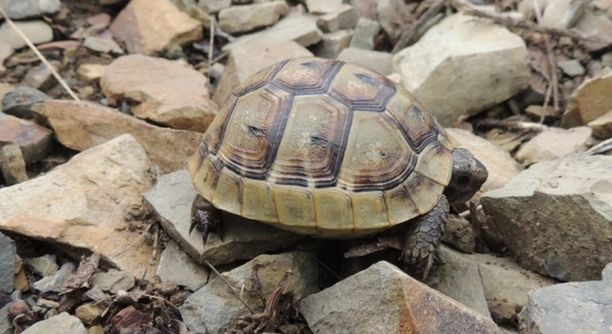
Russian tortoises are friendly, low-maintenance pets, but some owners notice their pets trying to bite them. Understanding the reasons behind this behavior can help build a better relationship with your pet and improve care.
Tortoises may bite when they feel threatened, confused, or stressed. Their biting behavior can be a sign of fear, territoriality, or frustration, especially if their needs for space, food, or comfort are not fully met.
A closer look at your tortoise’s environment, diet, and interactions will reveal potential triggers for the biting behavior. With a few simple adjustments, you can help your pet feel more secure and reduce this behavior.
Why Your Russian Tortoise Might Feel Threatened
Russian tortoises are naturally cautious animals. If your pet feels unsafe, it may react by attempting to bite. A sudden movement, loud noises, or an unfamiliar person in its environment can trigger fear. It’s important to understand that biting isn’t a sign of aggression but a defense mechanism. Tortoises rely heavily on their instincts to protect themselves from perceived threats.
Some common environmental factors, such as the presence of other pets or children, can increase the feeling of insecurity. This may cause your tortoise to retreat into its shell or bite. Also, a tortoise might interpret your hand approaching as a potential danger. So, instead of trying to pick it up quickly, take your time and avoid startling it.
Ensuring your Russian tortoise has a safe, quiet, and familiar space can help minimize its stress. A cozy hideout within its enclosure is essential for reducing anxiety. Try to limit interactions during its resting hours to keep it comfortable. If your tortoise is still displaying signs of fear, consider adjusting the lighting or habitat temperature, as these factors can also affect your pet’s sense of security.
Poor Health and Discomfort
Sometimes, Russian tortoises may attempt to bite due to pain or discomfort. If they are feeling unwell, they may react more aggressively.
A tortoise suffering from minor injuries, infections, or digestive problems might try to bite to communicate that something is wrong.
Stress from Overhandling
Overhandling is another reason why your tortoise might bite. When you handle your tortoise too much, it can feel overwhelmed and stressed. The constant touching can make it defensive, causing it to bite as a way of saying “I need space.” It’s important to respect its boundaries.
Try to interact with your tortoise only when necessary. Avoid picking it up frequently unless it’s for a specific reason, like cleaning its enclosure or checking its health. Tortoises thrive in a calm and stable environment, where they can move around freely without feeling disturbed. Handling should be minimal to ensure your tortoise doesn’t feel threatened.
Tortoises may also bite if they associate you with negative experiences, like being removed from their habitat. To avoid stress-related bites, make sure your tortoise has a consistent and safe space to call its own. Offering food or treats in a calm manner can help create positive interactions that reduce stress. Keeping the handling gentle and brief ensures that your pet feels secure and not cornered.
Feeding and Food-Related Stress
If your tortoise is constantly biting, it could also be due to food-related stress. Russian tortoises can become frustrated when their food is not provided on time or when they feel competition for it. This might cause them to act defensively.
When feeding your tortoise, make sure to offer food in a calm and separate space where it can eat without feeling threatened by other pets. If there’s food aggression, you may want to create a designated area where your tortoise feels safe to eat without disturbance. Avoid sudden movements near the food dish.
Tortoises are sensitive to how their food is presented and may respond negatively to distractions or interruptions while they are eating. If you’re feeding multiple pets, try to keep each one’s space separate to avoid tension. If your tortoise continues to bite during meals, it may be a sign that the feeding process needs to be adjusted. Pay attention to its behavior during feeding times to make sure it is not feeling stressed or cornered.
Mating Behavior
During mating season, your Russian tortoise may show aggressive behaviors like biting. This is normal, as they can become territorial or protective when looking for a mate. It’s not directed at you, but a part of their natural instincts.
The biting behavior may be more frequent if your tortoise feels its space is being encroached upon. Mating season often triggers heightened aggression, even in usually docile tortoises. While this behavior may be unsettling, it’s important to recognize that it’s a phase and will pass once the mating period is over.
Territoriality
Russian tortoises are known to be territorial creatures. They may act aggressively toward other tortoises or even towards you if they perceive their space as being invaded. Biting could be a way to defend their territory.
FAQ
Why is my Russian tortoise biting me?
Russian tortoises may bite when they feel threatened, stressed, or uncomfortable. It could be a defensive response to something in their environment. If they are in pain or feeling anxious, biting is a way to protect themselves. Biting is often a sign that your tortoise needs more space or attention to their specific needs.
How can I stop my tortoise from biting me?
To prevent biting, first evaluate your tortoise’s environment. Ensure that it has enough space, is not overhandled, and feels safe. Try handling your tortoise gently and avoid sudden movements. Providing a consistent routine and minimizing stress will help. If biting continues, consider changing the way you approach your tortoise.
Is biting a sign of aggression?
Not necessarily. Tortoises bite as a natural response to perceived threats. They don’t bite out of malice but as a way to defend themselves. It’s more about fear or discomfort than true aggression. Understanding your tortoise’s body language can help prevent situations where biting may occur.
Can a Russian tortoise bite hurt me?
While a Russian tortoise’s bite may feel surprising, it’s typically not strong enough to cause serious harm. However, it can be painful and cause minor injury, especially if the tortoise bites your skin or fingers. The bite is more of a warning than an actual attack.
What should I do if my tortoise bites me?
If your tortoise bites, remain calm and avoid reacting with sudden movements. Gently remove your hand and give your tortoise space to calm down. Afterward, assess the situation to determine why the bite happened. Was the tortoise startled, hungry, or stressed? This will help you make adjustments in handling or environment to reduce future bites.
Does my tortoise bite because it’s hungry?
Hunger can sometimes cause your tortoise to bite. If it’s not being fed properly or regularly, it may become agitated and attempt to bite when it sees you, associating you with food. Ensure that your tortoise has a balanced diet and is fed consistently. Providing fresh greens and avoiding overfeeding can help prevent this behavior.
How can I tell if my tortoise is stressed?
Signs of stress in a tortoise include biting, hiding more than usual, refusing food, or pacing around the enclosure. Stress can be caused by many factors, including sudden changes in environment, improper temperature, or even overhandling. If you notice these signs, evaluate your tortoise’s setup and routine to see where improvements can be made.
Can tortoises bite other pets?
Yes, Russian tortoises can bite other pets, especially if they feel threatened. If you have other animals in your home, make sure to give your tortoise its own space and avoid letting other pets approach it too closely. This will help minimize stress and prevent biting behavior towards other animals.
Why does my tortoise bite during feeding time?
Feeding time can trigger biting if your tortoise feels threatened by the presence of other pets or animals. It can also occur if there’s a delay in feeding, or if your tortoise is not sure whether you are bringing food or posing a threat. Creating a calm feeding environment can help reduce this behavior.
What is the best way to handle a Russian tortoise?
The best way to handle a Russian tortoise is gently and calmly. Approach it slowly, avoiding sudden movements that could startle it. Pick it up carefully, supporting its body, and try not to handle it too often. Let your tortoise roam freely in its enclosure to reduce stress and prevent biting.
Final Thoughts
Understanding why your Russian tortoise might try to bite you can help you better care for your pet and prevent future biting incidents. Often, this behavior is not a sign of aggression but a response to feeling threatened, stressed, or uncomfortable. Tortoises can become defensive if they feel their space is invaded, they are in pain, or they are overstimulated by too much handling. By paying attention to these factors, you can reduce the likelihood of your tortoise acting defensively and build a stronger bond with your pet.
Creating a calm and stable environment for your tortoise is essential. This includes offering plenty of space for it to roam, ensuring the enclosure is well-maintained, and avoiding unnecessary stress. Be mindful of your tortoise’s body language and give it time to adjust to changes in its environment. Providing a consistent feeding schedule and keeping interactions gentle can also make a big difference. If your tortoise feels safe, secure, and well cared for, it’s less likely to bite out of fear or frustration.
Remember that some biting is simply part of their natural behavior and may happen from time to time. The key is to recognize the signs of stress or discomfort and adjust accordingly. With patience and understanding, your Russian tortoise will feel more at ease and less likely to resort to biting as a way of communicating.

Hello,
If you enjoy the content that we create, please consider saying a "Thank You!" by leaving a tip.
Every little bit helps us continue crafting quality advice that supports the health, happiness, and well-being of pets around the world, for pets of all shapes, sizes, and species.
We really appreciate the kindness and support that you show us!