
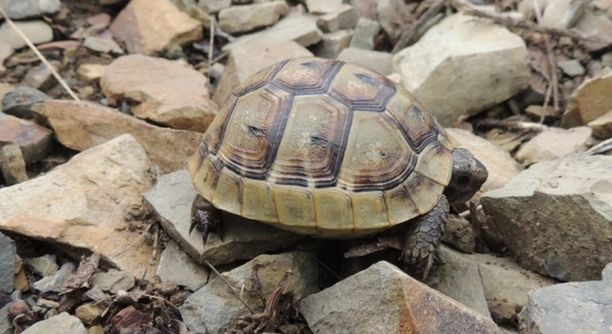
Is your Russian tortoise’s skin peeling, leaving you concerned about its health? This common issue can have various causes, ranging from natural shedding to underlying health problems that require attention. Understanding why it happens is key to keeping your pet healthy.
Russian tortoises shed their skin in small patches as they grow, which is a normal process. However, excessive peeling may indicate dehydration, improper humidity levels, poor diet, or skin infections. Monitoring their habitat and diet can help prevent serious health concerns.
Peeling skin may seem alarming, but knowing the reasons behind it can ease your worries. Learning how to manage your tortoise’s environment will help keep its skin healthy and ensure its overall well-being.
Natural Shedding in Russian Tortoises
Russian tortoises shed their skin in small patches as part of their growth process. Unlike snakes, which shed in one piece, tortoises shed gradually. This helps them remove old, damaged skin and make room for healthy new layers. The process is typically harmless and happens more often in younger tortoises as they grow. However, adult tortoises may also shed occasionally, especially if they are kept in optimal conditions. Peeling skin on the legs, neck, and head is normal as long as it is not excessive or accompanied by redness or sores. Maintaining proper care can ensure healthy shedding.
A well-balanced diet and proper humidity levels support natural shedding. Russian tortoises thrive in dry environments, but they still need occasional soaks to stay hydrated. Without enough moisture, their skin can dry out, leading to unhealthy peeling. Providing fresh water daily can prevent these issues.
Keeping an eye on their shedding pattern is important. If the skin looks inflamed or peels in large amounts, it may be a sign of an underlying issue. Regularly checking their skin and making small adjustments to their habitat can prevent problems before they start.
Environmental Factors That Affect Shedding
Dry habitats can sometimes cause excessive peeling. If the enclosure lacks proper humidity, your tortoise’s skin may dry out, making shedding more difficult. Adding a shallow water dish and offering occasional warm baths can help keep their skin in good condition.
Humidity plays a key role in skin health. Russian tortoises need a dry environment, but some moisture is still necessary. A humidity level of around 40% is ideal. Too little moisture can lead to dry, flaky skin, while too much can encourage fungal infections. Soaking your tortoise once or twice a week for about 15 minutes provides the right balance.
Another factor is substrate choice. Rough or inappropriate bedding, such as sand or gravel, can cause irritation and increase skin peeling. Using a softer substrate, like coconut coir or organic soil, creates a comfortable environment. Temperature control also matters. If the basking spot is too hot, your tortoise may experience excessive dryness, making shedding more problematic. Keeping their basking area between 90-95°F and the cooler side around 75°F allows them to regulate their body temperature properly. Checking their habitat regularly ensures their skin stays healthy and shedding remains natural.
Dehydration and Poor Nutrition
Lack of hydration can lead to dry, flaky skin. Russian tortoises get most of their water from fresh vegetables, but they still need access to clean drinking water. Without enough moisture, their skin may become rough, making shedding more difficult and causing irritation over time.
A poor diet can also impact skin health. Russian tortoises need a diet rich in leafy greens like dandelion, collard greens, and mustard greens. Foods high in oxalates, like spinach, should be avoided since they block calcium absorption. Calcium is essential for skin and shell health, so adding cuttlebone or a calcium supplement ensures they get enough. Without proper nutrients, the skin may not shed correctly, leading to dry patches and potential infections.
Overfeeding or offering the wrong foods can also cause problems. Excess protein, such as too many pellets or fruits, can lead to abnormal growth and skin issues. Stick to a natural diet with limited processed foods to keep shedding normal. Providing a variety of fresh greens and occasional hydration soaks will help keep their skin in good condition.
Skin Infections and Parasites
Skin infections can develop if excessive peeling is left untreated. Bacterial or fungal infections often appear as red, swollen areas or patches of discolored skin. If the skin looks irritated, applying a reptile-safe antiseptic and adjusting the habitat can help. If symptoms persist, veterinary care may be necessary.
Parasites can also cause peeling and discomfort. Mites, for example, may lead to excessive scratching and flaky skin. These pests are often visible as tiny black or red dots moving on the skin. If mites are present, cleaning the enclosure and using reptile-safe treatments can eliminate the infestation. Regular habitat maintenance helps prevent reinfection.
Preventing infections starts with keeping the enclosure clean. Dirty environments allow bacteria and fungi to thrive, which can worsen shedding issues. Spot-cleaning daily and deep-cleaning the enclosure monthly reduce the risk of infections. Monitoring for signs of irritation, swelling, or abnormal peeling ensures your tortoise stays healthy and comfortable.
Improper Shedding Due to Low Humidity
When humidity is too low, skin may peel unevenly, leaving rough patches. This can cause discomfort and make shedding take longer than normal. Providing occasional warm soaks and misting the enclosure lightly can help maintain the right balance and prevent excessive dryness.
A humid hide can also support healthy shedding. Placing damp sphagnum moss inside a hide box gives your tortoise a space to retreat when extra moisture is needed. This helps loosen stubborn skin and prevents it from becoming too flaky or irritated over time.
Stress-Related Shedding Issues
Stress can affect shedding patterns. Frequent handling, sudden habitat changes, or loud noises can cause stress, leading to irregular skin shedding. A calm environment with a stable routine helps reduce stress levels and keeps shedding on track. Providing hiding spots also allows your tortoise to feel secure.
When to Seek Veterinary Care
If shedding is excessive or skin looks raw, a vet visit may be needed. Persistent dryness, swelling, or signs of infection require professional treatment. A veterinarian can check for underlying health conditions and recommend specific care adjustments to keep your tortoise’s skin healthy.
FAQ
Why is my Russian tortoise’s skin peeling more than usual?
Excessive peeling can be caused by low humidity, dehydration, or poor nutrition. If the enclosure is too dry, the skin may become flaky and shed irregularly. A diet lacking essential vitamins and minerals can also contribute to skin issues. Ensuring proper hydration, humidity levels, and a balanced diet will help prevent abnormal shedding.
Should I help my tortoise remove peeling skin?
Peeling skin should be left alone unless it is hanging loosely and can be removed without force. Pulling off skin prematurely can cause irritation or small wounds. If shedding seems incomplete, providing a warm soak can help loosen the skin naturally, allowing it to fall off safely.
How often should I soak my Russian tortoise to help with shedding?
Soaking once or twice a week for about 15 minutes is usually enough to maintain proper hydration and support shedding. If the skin looks excessively dry, increasing soaks to three times a week can help. Always use lukewarm, shallow water, ensuring it reaches just below the tortoise’s chin to avoid stress.
What foods can improve my tortoise’s skin health?
Leafy greens such as dandelion, collard greens, and mustard greens provide essential nutrients for skin health. Calcium-rich foods, like cuttlebone and calcium supplements, also support healthy shedding. Avoid feeding too much protein or fruits, as they can lead to improper growth and skin problems. A varied, natural diet is best.
Can stress cause peeling in Russian tortoises?
Yes, stress can lead to abnormal shedding. Frequent handling, sudden temperature changes, or loud environments can cause discomfort and impact their skin health. Reducing stress by keeping their habitat stable, minimizing handling, and providing plenty of hiding spots can prevent unnecessary shedding issues.
What should I do if my tortoise’s skin looks red or irritated?
Red or irritated skin may indicate an infection, injury, or improper shedding. Check the habitat’s humidity and temperature levels, and ensure your tortoise is not rubbing against rough surfaces. If redness persists or worsens, consult a veterinarian for proper treatment to prevent further complications.
How can I tell if my tortoise has parasites causing skin issues?
Mites or other parasites can cause excessive scratching, flaky skin, and small red or black specks on the body. If you suspect parasites, clean the enclosure thoroughly and use a reptile-safe treatment. A vet can confirm the presence of parasites and recommend appropriate care.
Does shedding affect a Russian tortoise’s shell?
Yes, tortoises also shed small pieces of their scutes (the plates on their shell) as they grow. This is a natural process and should not be forced. If the shell appears cracked, discolored, or excessively flaky, it may indicate an underlying issue such as poor diet or improper humidity levels.
Can an improper substrate cause skin peeling?
Yes, rough or inappropriate bedding, such as sand, gravel, or dry wood chips, can irritate the skin and cause excessive peeling. A soft substrate like coconut coir, organic soil, or cypress mulch provides a comfortable surface that helps maintain proper moisture levels without causing irritation.
When should I worry about my tortoise’s peeling skin?
If the skin is peeling excessively, appears inflamed, or has open sores, it may be a sign of an underlying health issue. Persistent dryness, redness, or discomfort should not be ignored. A veterinarian can diagnose the problem and provide appropriate treatment to keep your tortoise healthy.
Final Thoughts
Peeling skin in Russian tortoises is usually a natural process, but it can sometimes indicate an issue. Proper hydration, a well-balanced diet, and the right humidity levels all play a role in keeping their skin healthy. If shedding seems excessive, checking their environment and daily care routine can help identify the cause. Small changes, like offering more hydration soaks or adjusting humidity levels, can often prevent skin problems before they become serious. A clean and comfortable habitat will also support natural shedding and prevent irritation.
Monitoring your tortoise’s shedding patterns is important. While small patches of peeling skin are normal, signs like redness, swelling, or excessive flaking should not be ignored. Stress, poor nutrition, or even external factors like parasites can contribute to shedding issues. Keeping their enclosure clean, providing the right foods, and limiting unnecessary handling can help prevent these problems. If any unusual symptoms appear, taking action quickly can prevent further complications. Regular health checks will ensure your tortoise stays comfortable and continues to shed properly.
Every tortoise has different needs, so it is important to pay attention to their individual behaviors and shedding patterns. Some may require more frequent soaks, while others may need a minor diet adjustment. By understanding the factors that affect shedding, you can create the best possible care routine for your pet. If skin issues persist despite proper care, consulting a veterinarian is always the best option. Taking the time to provide the right conditions will help keep your Russian tortoise healthy and happy for years to come.

Hello,
If you enjoy the content that we create, please consider saying a "Thank You!" by leaving a tip.
Every little bit helps us continue crafting quality advice that supports the health, happiness, and well-being of pets around the world, for pets of all shapes, sizes, and species.
We really appreciate the kindness and support that you show us!