
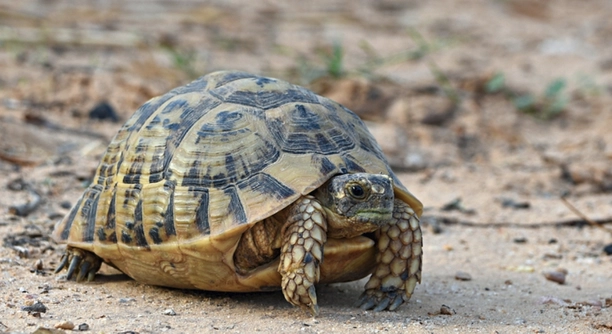
Setting up the perfect outdoor Russian tortoise pen requires careful planning and understanding of your tortoise’s natural environment. A well-designed pen will provide safety, comfort, and a chance for your pet to thrive outdoors.
To create the ideal outdoor pen for a Russian tortoise, ensure it offers adequate space, security, and environmental features like proper lighting and shelter. A sturdy fence, natural ground cover, and access to sunlight are essential for your tortoise’s health.
Taking these steps will ensure your tortoise’s outdoor pen is both secure and comfortable. The next steps are crucial for the success of your setup.
Choosing the Right Location for Your Tortoise Pen
When setting up your outdoor Russian tortoise pen, the first thing to consider is location. Russian tortoises need plenty of sunlight, so the pen should be placed in a spot that gets at least 6 hours of direct sun each day. Avoid areas with heavy wind or cold drafts, as this can stress your tortoise.
The ground should be flat and stable, with enough space for your tortoise to roam freely. Keep the pen away from areas with a lot of foot traffic, as it can make your tortoise feel unsafe. Additionally, ensure the pen is placed in an area that is not prone to flooding during heavy rain.
A sheltered corner of your yard, far from noisy areas, is ideal. This will offer your tortoise both warmth and security. It also keeps them safe from predators and allows them to feel comfortable exploring. A peaceful spot will also encourage natural behaviors, like basking and digging.
Ensuring Proper Enclosure Safety
The enclosure must be secure and escape-proof to keep your Russian tortoise safe. Make sure that the walls are tall enough to prevent your tortoise from climbing over.
The material you use for the walls matters too. Consider using sturdy fencing, such as wood or metal, which is durable enough to withstand any attempts by your tortoise to climb or dig underneath. Make sure there are no gaps in the fencing to prevent escapes. If the pen isn’t properly secured, your tortoise could end up in danger.
You’ll also need to keep an eye out for predators like birds or raccoons. Ensure the fence is either buried in the ground or secured to prevent digging, which Russian tortoises often do. A secure pen offers peace of mind, knowing your pet is safe from harm and can enjoy the outdoors in comfort.
Providing Natural Ground Cover
The right type of ground cover is an essential part of setting up the perfect outdoor pen for your Russian tortoise. Natural ground cover like grass, hay, or even safe plants can give your tortoise the feeling of being in its natural habitat.
Avoid using gravel, sand, or anything too rough, as it can irritate your tortoise’s feet. Soft, organic material will also help maintain the right humidity level, which is important for their overall health. You can even plant edible grasses or herbs within the pen. This allows your tortoise to forage, just as it would in the wild, and provides a source of enrichment.
Adding a variety of ground cover also helps encourage digging, a natural behavior for Russian tortoises. Ensure the ground is kept clean and free from any harmful chemicals. With the right substrate, you’ll provide a more natural, comfortable environment for your pet.
Creating Shelter for Your Russian Tortoise
Shelter is crucial to protect your tortoise from extreme weather conditions. A simple wooden box or a small shed can offer shade during hot days and shelter when it rains.
Ensure the shelter has enough space for your tortoise to move around comfortably. It should be tall enough for them to enter easily and have good ventilation to avoid excess heat or humidity. Adding a soft bedding, such as hay or straw, inside the shelter will also help keep your tortoise cozy and comfortable.
The shelter should be easily accessible for cleaning and maintenance. Regularly check for signs of wear and tear, as the shelter will need to be replaced or repaired over time. The ideal shelter will provide security while still allowing for natural behaviors, like basking or resting.
Providing a Water Source
A shallow, accessible water dish is a must for your tortoise’s pen. The water should be clean and refreshed daily to ensure your tortoise stays hydrated.
Place the water dish in an area that’s easy for your tortoise to reach, but not so close to the shelter that it becomes dirty quickly. Russian tortoises are not aquatic, but they still need to drink regularly. They may also enjoy soaking in the water during hot weather. Ensure the water dish is shallow to prevent accidental drowning.
You can use a ceramic or plastic dish, but it’s important to clean it regularly to avoid bacteria buildup. Keeping the water fresh and clean will help maintain the health of your tortoise and ensure they stay hydrated throughout the day.
Adding Hiding Spots for Security
Hiding spots help make your tortoise feel secure, mimicking their natural environment. Use small, flat rocks or logs to create hiding spaces.
These hiding spots give your tortoise a place to retreat when they feel threatened. Make sure the spots are easy to access but not too large to offer them the feeling of being enclosed. Keep the hiding spots clean and check that there are no sharp edges or dangerous materials that could harm your tortoise. A secure and comfortable hiding spot will reduce stress and allow your tortoise to rest peacefully.
Offering Safe Plants for Foraging
Including safe, edible plants in the pen can provide enrichment for your tortoise. Grass, dandelions, and clover are good options.
Planting these options will allow your tortoise to forage and satisfy its natural curiosity. Be sure to avoid any toxic plants, as some can be harmful to your pet. Make sure to plant the edible plants in a way that gives your tortoise access but not the entire patch at once, allowing them to graze naturally. Rotating the plants regularly will ensure a fresh food supply and add variety to their diet.
Ensuring Proper Temperature
Your tortoise will need a basking area where they can regulate their body temperature. A heat lamp or stone under the sun works well.
In addition to a basking spot, provide a cooler area for your tortoise to retreat to when they need to lower their body temperature. This allows them to naturally control their environment. Be sure the temperature in the pen stays consistent, as sudden fluctuations can cause stress. Regularly check the temperature during the day and night to ensure your tortoise has access to the right conditions for a healthy, balanced life.
FAQ
How much space does my Russian tortoise need in the pen?
Russian tortoises require a minimum of 4×8 feet of space, though larger pens are ideal. A bigger pen allows your tortoise to roam, dig, and explore, which are all essential for their well-being. A larger area also provides the opportunity to create different microhabitats, such as shady and sunny spots. The more room your tortoise has, the happier and healthier they will be.
Should I add a roof to the pen?
Adding a roof can be a good idea to protect your tortoise from predators or heavy rain. It’s not necessary for all pens, but if you live in an area with extreme weather conditions, a simple roof made from wire or mesh can keep your tortoise safe. Make sure the roof doesn’t block out too much sunlight, as your tortoise still needs exposure to UV rays.
What temperature should my tortoise’s pen be?
Russian tortoises thrive in temperatures between 75°F and 85°F during the day. At night, the temperature can drop to around 65°F. If you live in a cooler climate, you may need a heat lamp or additional heat source to maintain these temperatures, especially during colder months. You should also provide a cooler area for your tortoise to retreat to when they need to lower their body temperature.
Can my tortoise live outside year-round?
Russian tortoises can live outside year-round, but only if the climate is suitable. If you live in an area with mild winters, your tortoise can stay outside year-round. However, if winters are harsh, you should bring your tortoise inside or provide a heated shelter during the colder months to ensure they remain safe and comfortable.
How often should I clean the pen?
The pen should be cleaned regularly to ensure a healthy environment for your tortoise. Remove any uneaten food, droppings, and debris daily. You should also wash the water dish every couple of days to keep it fresh. The entire pen, including the shelter and ground cover, should be cleaned thoroughly every few weeks. Regular cleaning helps prevent the build-up of bacteria and ensures a hygienic space for your tortoise.
What kind of ground cover should I use?
The best ground cover for a Russian tortoise pen is natural, soft, and easy to clean. Grass, hay, or a mix of soil and mulch works well. Avoid using sand or gravel, as these materials can be harmful to your tortoise’s feet and cause problems if ingested. Regularly replace the ground cover to maintain cleanliness and comfort for your tortoise.
What do I do if my tortoise starts digging under the pen?
Russian tortoises are natural diggers, and it’s common for them to try to dig under fences. To prevent this, you should bury the bottom of the fence at least 6-12 inches deep. This will stop them from digging their way out. Additionally, you can line the bottom of the pen with a solid barrier, like hardware cloth, to keep them from burrowing under.
Can I keep more than one Russian tortoise in the pen?
Russian tortoises are solitary creatures and can be territorial, so it’s generally better to house them alone. However, if you want to keep more than one, make sure the pen is large enough to provide space for each tortoise to have its own territory. It’s also important to monitor them closely for any signs of aggression or stress.
What do I do during winter when the tortoise is not outside?
If you live in an area with harsh winters, you’ll need to bring your tortoise indoors. You can create an indoor pen with similar conditions to the outdoor pen, including heat, humidity, and space. Keep the indoor temperature between 75°F and 85°F, and make sure there are plenty of hiding spots and places for your tortoise to bask. Avoid keeping your tortoise in a small, enclosed tank as it can cause stress.
Can my tortoise eat plants from my garden?
Many plants in your garden may be safe for your tortoise to eat, but you must be careful. Avoid plants that are toxic to tortoises, such as tomatoes, potatoes, and certain flowers. It’s best to stick with safe options like dandelions, clover, and grasses. Always research the specific plants in your garden before offering them to your tortoise.
Final Thoughts
Setting up the perfect outdoor pen for your Russian tortoise can be a rewarding and fulfilling task. By providing the right environment, you give your tortoise the freedom to roam, forage, and engage in natural behaviors. Whether it’s choosing the right size for the pen or ensuring there are enough hiding spots and basking areas, every detail plays a role in your tortoise’s overall well-being. It’s important to create a balanced space that offers both security and the freedom to explore. The more effort you put into the setup, the healthier and happier your tortoise will be.
Keeping your tortoise’s pen clean and safe is also crucial. Regular maintenance ensures that there are no health risks, and it helps to avoid stress. As a pet owner, it’s your responsibility to monitor the temperature, humidity, and the condition of the ground cover. A well-maintained pen will make a significant difference in your tortoise’s comfort and longevity. If you live in an area with extreme weather, having the option to bring your tortoise inside during the colder months or adding a shelter to protect them can be vital for their health.
In the end, a perfect outdoor pen for your Russian tortoise requires careful thought and attention. The goal is to create a space where your tortoise can live as naturally as possible while staying safe from predators and harsh weather. By following these steps and continuing to learn about their needs, you can provide an environment where your tortoise thrives. Regular observation and care are key to ensuring your tortoise stays healthy and content in its outdoor home.

Hello,
If you enjoy the content that we create, please consider saying a "Thank You!" by leaving a tip.
Every little bit helps us continue crafting quality advice that supports the health, happiness, and well-being of pets around the world, for pets of all shapes, sizes, and species.
We really appreciate the kindness and support that you show us!