
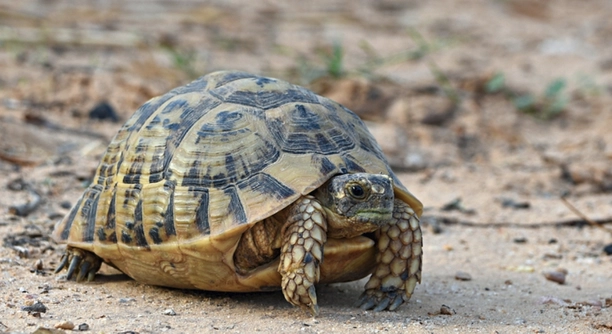
Is your Russian tortoise’s shell feeling soft? A healthy shell is essential for their well-being, and a soft shell could indicate an underlying issue. Understanding the causes can help you take the right steps to improve your tortoise’s health.
A soft shell in Russian tortoises is often caused by metabolic bone disease, inadequate UVB exposure, poor diet, or high humidity. Insufficient calcium and vitamin D3 intake can weaken the shell, making it soft and vulnerable to deformities or infections over time.
Shell health is vital for your tortoise’s overall well-being. Recognizing the potential causes will help you take necessary steps to prevent further complications. Addressing these concerns early can ensure a strong, healthy shell for years to come.
Lack of UVB Exposure
Russian tortoises need UVB light to produce vitamin D3, which helps them absorb calcium. Without proper exposure, their bodies cannot process calcium effectively, leading to a soft shell. This issue is common in indoor tortoises that do not receive natural sunlight or artificial UVB lighting. Ensuring the right lighting setup is essential for their health.
A UVB bulb should be placed within 12 inches of your tortoise and replaced every six months. Natural sunlight is the best source, but when that is not possible, a high-quality UVB lamp will help maintain proper shell strength.
Inadequate UVB exposure weakens bones and shells over time. Symptoms include a soft or misshapen shell, lethargy, and difficulty walking. To prevent this, provide at least 10-12 hours of UVB light daily and ensure your tortoise has a basking area with the correct temperature to support its overall well-being.
Calcium and Vitamin D3 Deficiency
Calcium and vitamin D3 are essential for shell strength. Without them, a tortoise’s shell can become weak and soft, making it more prone to damage. A well-balanced diet and proper supplementation are key to maintaining a strong shell.
A lack of calcium leads to metabolic bone disease, which can cause deformities and health issues. Leafy greens like dandelion, kale, and mustard greens provide natural calcium. Additionally, calcium supplements with vitamin D3 ensure proper absorption. Dusting food with calcium powder a few times a week can help prevent deficiencies.
Diet alone is not always enough, especially for indoor tortoises. Without vitamin D3, calcium cannot be properly absorbed. If your tortoise does not get enough natural sunlight, a UVB bulb is necessary. Ensuring a combination of UVB exposure and dietary calcium will help maintain a strong, healthy shell.
High Humidity Levels
Excess humidity can weaken a Russian tortoise’s shell over time. These tortoises come from dry environments, and too much moisture can lead to shell softening and fungal infections. Keeping humidity levels within a safe range is essential for maintaining shell strength and overall health.
A humidity level above 50% can cause problems. High humidity can make the shell more susceptible to bacterial and fungal infections, leading to shell rot. Using a hygrometer helps monitor levels, and proper ventilation in the enclosure prevents excessive moisture buildup. A dry substrate, such as a mix of sand and soil, helps regulate humidity effectively.
Providing a humidity gradient allows your tortoise to regulate its needs. The basking area should remain dry, while a small humid hide can be available for hydration. Avoid misting the enclosure frequently, and ensure water dishes do not spill, keeping the environment balanced and safe.
Poor Diet
An unbalanced diet contributes to shell softening. Russian tortoises need a diet rich in calcium and fiber to support their growth and shell development. Feeding too many fruits, high-phosphorus foods, or low-calcium greens can lead to nutritional deficiencies over time.
Leafy greens such as dandelion, turnip greens, and escarole should make up most of their diet. Avoid foods high in oxalates, like spinach, as they block calcium absorption. A lack of fiber can also affect digestion, leading to poor nutrient absorption. Adding edible plants and occasional hay can help provide the necessary fiber.
Commercial tortoise pellets can supplement their diet, but they should not replace fresh greens. Calcium supplements, dusted on food a few times per week, help prevent deficiencies. Fresh water should always be available, even though tortoises get most of their moisture from food. A well-balanced diet supports a strong, healthy shell.
Incorrect Basking Temperature
A basking area that is too cool prevents proper calcium absorption. Russian tortoises need a basking spot between 95-100°F to aid digestion and metabolism. Without this, their bodies struggle to process nutrients, which can weaken their shell over time.
Using an infrared thermometer ensures accuracy, as temperature fluctuations can occur. A ceramic heat emitter or basking bulb should be positioned correctly to maintain warmth. Providing a temperature gradient in the enclosure allows your tortoise to regulate its body heat efficiently, preventing issues related to inadequate basking conditions.
Dehydration
Not drinking enough water can affect shell health. Dehydration reduces the body’s ability to absorb nutrients, leading to shell weakness. A shallow water dish should always be available, and occasional warm water soaks can help maintain hydration, especially in tortoises kept in drier indoor environments.
Underlying Health Issues
Some health conditions can cause a soft shell. Metabolic bone disease, kidney problems, or infections may contribute to poor shell quality. If dietary and environmental factors are correct but the shell remains soft, a veterinarian should assess your tortoise for any underlying medical concerns.
FAQ
Why is my Russian tortoise’s shell soft even with a good diet?
Even with a proper diet, other factors can contribute to a soft shell. Inadequate UVB exposure, improper basking temperatures, and high humidity levels can all affect shell strength. A balanced diet alone is not enough if these environmental conditions are not properly maintained. Without UVB, calcium cannot be processed effectively, leading to deficiencies. Ensuring a strong heat source and proper enclosure setup is just as important as nutrition.
Can a Russian tortoise recover from a soft shell?
With proper care, a soft shell can often be corrected. Increasing calcium intake, improving UVB exposure, and maintaining ideal temperatures can help the shell harden over time. In more severe cases, veterinary intervention may be necessary to address underlying health issues. Recovery time varies depending on the severity of the condition and how quickly adjustments are made to the tortoise’s diet and environment.
How much UVB does a Russian tortoise need?
Russian tortoises need at least 10-12 hours of UVB exposure daily. A high-quality UVB bulb should cover the entire enclosure, and it must be replaced every six months, as UV output diminishes over time. Without sufficient UVB, the body cannot properly synthesize vitamin D3, which is essential for calcium absorption. If possible, limited supervised outdoor time in natural sunlight can be beneficial.
What type of calcium supplement should I use?
Calcium carbonate or calcium with vitamin D3 is recommended. If your tortoise has sufficient UVB exposure, plain calcium powder can be used. Without adequate UVB, a supplement containing vitamin D3 helps with calcium absorption. Dusting food two to three times per week is generally sufficient. Too much calcium can lead to kidney issues, so moderation is key.
Does hydration affect shell health?
Yes, hydration plays a role in shell strength. A dehydrated tortoise may have trouble absorbing nutrients, leading to shell weakness over time. Providing fresh water daily and offering occasional shallow soaks ensures proper hydration. Dry environments can cause excessive water loss, so humidity levels should be carefully managed to prevent dehydration.
Can a soft shell be a sign of illness?
A persistently soft shell can indicate metabolic bone disease, organ dysfunction, or infections. If environmental and dietary conditions are correct but the shell remains soft, a veterinary visit is recommended. Blood tests and X-rays may be needed to determine if there is an underlying medical condition affecting shell development.
What foods help strengthen a tortoise’s shell?
Calcium-rich greens like dandelion, mustard greens, and turnip greens support shell health. Foods high in oxalates, such as spinach and beet greens, should be avoided as they block calcium absorption. Occasionally offering cuttlebone or calcium-rich flowers like hibiscus can further support strong shell development. A balanced diet is key to preventing deficiencies.
Can too much humidity cause a soft shell?
Yes, excess humidity can contribute to shell softening. Russian tortoises thrive in dry environments, and a humidity level above 50% can create problems. High moisture levels encourage bacterial and fungal growth, which may weaken the shell. Proper ventilation, dry substrate, and monitoring humidity with a hygrometer help maintain a suitable environment.
Is direct sunlight better than a UVB bulb?
Natural sunlight is the best source of UVB, but it is not always practical. If a tortoise cannot be taken outside regularly, a high-quality UVB bulb is necessary. Glass and plastic block UVB rays, so indoor enclosures require a direct light source. Outdoor time should be supervised to prevent overheating or escape.
What happens if a soft shell is left untreated?
If left untreated, a soft shell can worsen over time, leading to deformities, fractures, and increased vulnerability to infections. Severe calcium deficiency can also impact bone structure, making movement difficult. Early intervention is crucial to prevent long-term damage and ensure a healthy, strong shell as the tortoise grows.
Final Thoughts
A soft shell in a Russian tortoise is a serious concern that can be caused by several factors, including improper diet, insufficient UVB light, incorrect humidity levels, and dehydration. It’s crucial to assess the environment and diet of your tortoise regularly to ensure they are receiving the proper care. Environmental factors like temperature and humidity should be carefully monitored to mimic their natural habitat. Additionally, providing a proper UVB light source is just as important as feeding a balanced diet rich in calcium and fiber. Small changes to their environment can make a big difference in shell health.
Addressing a soft shell requires a multi-faceted approach. Start by ensuring your tortoise’s diet includes calcium-rich greens and supplements if needed. Calcium powder and proper lighting are essential for healthy shell development. Be mindful of how much moisture is in the enclosure, as high humidity can weaken the shell. Maintaining a balance between hydration and dryness is key to supporting their health. Regular veterinary check-ups are also recommended, especially if the shell remains soft despite changes to diet and habitat. Professional advice can help catch any underlying health conditions that may not be immediately apparent.
Overall, a soft shell can often be corrected with the right care. While it may take time for the shell to return to its proper state, consistency in providing proper nutrition, hydration, and a suitable environment will support the recovery process. With attention to detail, your Russian tortoise can thrive, maintaining both a strong shell and a healthy overall condition.

Hello,
If you enjoy the content that we create, please consider saying a "Thank You!" by leaving a tip.
Every little bit helps us continue crafting quality advice that supports the health, happiness, and well-being of pets around the world, for pets of all shapes, sizes, and species.
We really appreciate the kindness and support that you show us!