
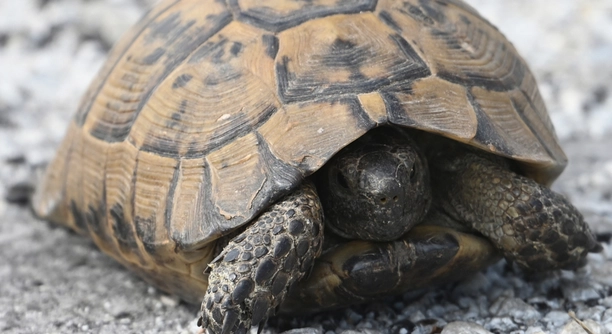
If you own a Russian Tortoise, you may notice its shell peeling at times. This is a common concern among pet owners. Understanding why this happens can help you care for your tortoise properly and keep it healthy.
Peeling shells in Russian Tortoises are often linked to shedding or health issues. It can happen due to improper humidity, diet, or even parasites. Addressing these factors promptly is important to prevent long-term damage to your tortoise’s shell.
Knowing the causes behind this issue will guide you toward the best solutions. Let’s explore these factors and how you can keep your tortoise’s shell in good condition.
Improper Humidity Levels
Humidity plays a big role in your tortoise’s health, and incorrect humidity can cause its shell to peel. Russian Tortoises need a specific environment with moderate humidity to stay comfortable. If the humidity is too low, their shells may dry out, leading to peeling. On the other hand, too much moisture can create other issues, like shell rot. This delicate balance is crucial to ensure that your tortoise thrives in a healthy environment. Using a hygrometer to monitor the humidity in your tortoise’s enclosure can help you stay on track and adjust conditions when necessary.
Maintaining the right humidity will keep your tortoise’s skin and shell from drying out. Make sure to mist the habitat and use a water dish to maintain the appropriate moisture levels.
Consistent humidity can help prevent stress on your tortoise’s shell and overall health. It is important to maintain the right environment to support its well-being. If you see any signs of peeling, adjusting the humidity might be the solution to fix the problem.
Diet Deficiencies
If your Russian Tortoise’s shell is peeling, it might be linked to its diet. A lack of essential nutrients such as calcium and vitamin D3 can impact shell health. These nutrients are crucial for the growth and repair of your tortoise’s shell.
A poor diet can weaken the shell, leading to peeling and other health problems. It’s vital to offer a well-rounded diet that includes leafy greens, grasses, and vegetables. Consider supplementing with calcium powder to boost their intake of this important mineral.
A balanced diet will support your tortoise’s overall health, including its shell. Without the right nutrients, your tortoise may struggle to grow and maintain its shell properly. Regularly offering a variety of foods and supplements can prevent this issue from becoming more serious.
Parasites and Infections
Parasites can cause your Russian Tortoise’s shell to peel. External parasites like mites or ticks may damage the shell, leading to shedding. Infections can also develop under the shell, causing it to become weak or unhealthy.
If you notice excessive peeling or irritation, check for signs of parasites such as swelling, redness, or abnormal growths on the shell. Treating these problems early can prevent further damage. Consult with a veterinarian to ensure your tortoise’s shell stays protected and healthy.
Addressing parasites and infections quickly is essential. By maintaining a clean habitat and monitoring your tortoise’s health regularly, you can reduce the chances of infections. A quick visit to the vet will help determine the cause and provide a solution to protect your tortoise’s shell.
Stress and Environmental Factors
Stress can have a major impact on your tortoise’s overall health, including its shell. Factors like a noisy environment, overcrowding, or lack of hiding spots can cause stress.
When stressed, your tortoise’s immune system becomes weaker, making it more susceptible to peeling and shell problems. Creating a calm, secure environment is vital for reducing stress. Provide a quiet, safe area with enough space for your tortoise to move freely.
Ensuring a stable, stress-free environment can promote better health and prevent shell problems. Stress affects not only the shell but the overall quality of life for your tortoise. If environmental factors are causing issues, consider making adjustments to its living space and routine.
Improper Lighting
Lighting is crucial for your Russian Tortoise’s shell health. Without the right balance of UVB light, your tortoise may not absorb enough calcium, leading to issues like peeling.
A lack of proper lighting can cause metabolic bone disease, which weakens the shell. Ensure your tortoise has access to UVB light for about 10-12 hours a day. Without it, its shell can deteriorate.
Using a high-quality UVB light bulb designed for reptiles is necessary for proper shell health. Regular exposure to this light helps your tortoise maintain calcium levels, preventing shell problems. Position the light source correctly to ensure your tortoise gets adequate exposure.
Overheating
Overheating can also lead to peeling shells in Russian Tortoises. High temperatures in the enclosure can cause their skin and shell to become dry.
Monitor the temperature carefully using a reliable thermometer. Keep your tortoise’s habitat warm but not too hot, as overheating stresses them and impacts their shell health.
Keep the temperature within the recommended range for Russian Tortoises, generally around 75-85°F. A basking area should be warmer, but never too hot. Ensure your tortoise has a cool space to retreat to, helping to regulate body temperature and avoid damage to its shell.
FAQ
Why is my Russian Tortoise’s shell peeling?
Peeling can be caused by a few factors. It could be shedding, which is a normal process for tortoises, or it might be due to issues like improper humidity, diet, or even infections. If the peeling seems excessive or unusual, it’s a good idea to look into your tortoise’s environment and diet to make sure everything is in balance.
How do I know if the peeling is normal?
Normal shedding usually involves small pieces coming off over time and doesn’t appear as though the entire shell is deteriorating. If your tortoise’s shell is soft, discolored, or if the peeling is happening in large patches, it’s best to consult a vet.
What can I do to help my tortoise’s shell heal?
Improving your tortoise’s environment is key. Ensure it has proper humidity, temperature, and lighting. Additionally, offering a diet rich in calcium and other nutrients will help support shell health. If the peeling continues or worsens, it’s important to take your tortoise to the vet for a checkup.
How can I prevent shell problems in the future?
Maintain a stable, clean, and well-lit environment for your tortoise. Use UVB lighting, provide a balanced diet, and monitor the humidity levels in the habitat. Regular checkups at the vet will also help catch any early signs of shell issues.
Can shell peeling be a sign of a serious problem?
It can be, especially if your tortoise is not shedding properly or if the shell is showing signs of infection, weakness, or deformities. Infections and metabolic bone disease can cause the shell to peel and should be treated promptly by a veterinarian.
How do I adjust the humidity in my tortoise’s enclosure?
To adjust humidity, try misting the enclosure with water, providing a shallow water dish, or adding a humidifier. Ensure the humidity stays between 40-60%, and avoid excessive moisture, which can cause other issues like shell rot. Regularly check the humidity levels using a hygrometer to stay on top of things.
Is it okay to let my tortoise roam outside?
Yes, but only in a safe, controlled area where it can’t escape or be harmed. Make sure the temperature and humidity are appropriate, and be mindful of predators. If your tortoise is outside, keep an eye on it to ensure it’s not exposed to extreme weather or other hazards.
Why is my Russian Tortoise’s shell soft?
A soft shell can be a sign of metabolic bone disease, often caused by a lack of UVB light or calcium in the diet. It’s important to address this issue as soon as possible to prevent further damage. If you notice a soft shell, make sure your tortoise has access to UVB light and consider adding calcium supplements to its diet.
What should I feed my Russian Tortoise to keep its shell healthy?
A balanced diet rich in leafy greens like kale, dandelion greens, and collard greens, as well as high-fiber grasses, is essential. You can supplement with calcium powder to ensure your tortoise gets enough calcium, which is vital for maintaining a strong shell. Avoid feeding it too much fruit or high-oxalate vegetables, as these can cause health problems over time.
Can Russian Tortoises heal their shells on their own?
Yes, with proper care, Russian Tortoises can heal their shells naturally. However, if the damage is severe or the peeling is caused by an infection or disease, professional treatment may be necessary. Ensuring your tortoise is in a healthy environment with good nutrition will support its natural healing process.
How often should I take my Russian Tortoise to the vet?
It’s a good idea to take your tortoise to the vet for an annual checkup, especially if you notice any changes in behavior or shell condition. If you suspect any health problems, such as excessive peeling or changes in eating habits, don’t wait—schedule a visit sooner rather than later.
What’s the ideal temperature for a Russian Tortoise?
The ideal temperature for your tortoise’s enclosure should be between 75°F to 85°F during the day, with a basking area around 90°F. At night, the temperature can drop slightly but should remain no lower than 70°F. Temperature fluctuations can stress your tortoise, so it’s important to keep the environment stable.
Can I use a regular light bulb for my tortoise’s UVB needs?
No, regular light bulbs don’t provide UVB light, which is essential for your tortoise’s health. You’ll need a UVB bulb specifically designed for reptiles. These bulbs help your tortoise absorb calcium and maintain strong, healthy bones and a shell. Make sure to replace the bulb regularly as UVB light fades over time.
Should I be concerned if my Russian Tortoise is not eating?
A loss of appetite can be a sign of stress, illness, or environmental issues. Check for any signs of discomfort, like peeling shells or abnormal behavior. If your tortoise refuses to eat for more than a few days, it’s best to consult a vet to rule out any serious health problems.
Can I use sand in my tortoise’s enclosure?
Using sand is not ideal for Russian Tortoises, as it can cause digestive issues if ingested. Instead, use a substrate like coconut coir or organic soil that’s safe and comfortable. Sand can also hold moisture and cause issues with humidity, which can lead to health problems like shell rot.
What are the signs of shell rot in my Russian Tortoise?
Signs of shell rot include soft spots, foul odor, and discolored areas on the shell. If you notice any of these symptoms, take your tortoise to a vet as soon as possible. Shell rot is an infection that needs to be treated quickly to prevent permanent damage.
Taking care of a Russian Tortoise involves paying close attention to its environment and health. If your tortoise’s shell is peeling, it could be due to a variety of factors such as humidity, diet, or even stress. It’s important to ensure that the habitat is set up correctly with proper humidity, temperature, and lighting to support your tortoise’s well-being. These adjustments can help prevent issues like peeling or soft shells, allowing your tortoise to live comfortably and stay healthy.
Diet also plays a key role in your tortoise’s shell health. Ensuring it gets the right nutrients, especially calcium and vitamin D3, is crucial for a strong and healthy shell. A balanced diet of leafy greens and grasses is best, and adding supplements when needed can help prevent deficiencies. Keeping track of what your tortoise eats and making sure its diet is well-rounded will give it the nutrients it needs for growth and shell maintenance. If you suspect dietary issues, consider consulting a veterinarian for advice on improving its meals.
Regular health checks are essential for detecting and addressing any potential issues early on. If your tortoise’s shell continues to peel or show signs of weakness, seeking veterinary care is necessary. Professional care will help determine if there is an underlying infection, parasite, or disease that needs attention. By paying attention to these details, you can ensure your Russian Tortoise remains healthy and happy for years to come.

Hello,
If you enjoy the content that we create, please consider saying a "Thank You!" by leaving a tip.
Every little bit helps us continue crafting quality advice that supports the health, happiness, and well-being of pets around the world, for pets of all shapes, sizes, and species.
We really appreciate the kindness and support that you show us!