
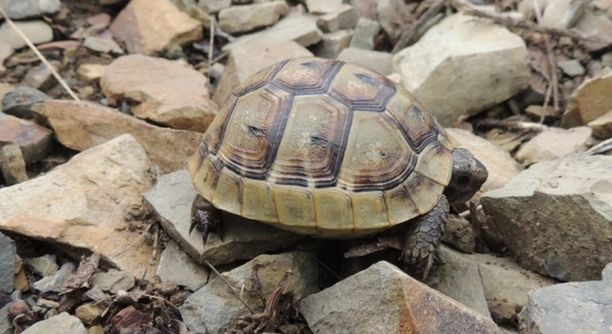
Russian tortoises are beloved pets for their friendly nature and manageable size. However, just like any other pet, it is important to ensure they maintain a healthy weight for their well-being. Understanding how to assess their weight is essential.
To determine if your Russian tortoise is overweight, look for signs such as an enlarged body, difficulty moving, or a noticeable decrease in activity. Overfeeding, especially with high-fat foods, can contribute to excessive weight gain. Regular monitoring of their diet and weight is necessary.
By recognizing the signs of an overweight tortoise early, you can take steps to improve its health and prevent further complications.
How to Recognize an Overweight Russian Tortoise
Russian tortoises are small, but their weight should be carefully monitored. A healthy tortoise will have a balanced, slightly rounded shell without being too bulky. When a tortoise is overweight, you may notice its shell appears wider than normal. In addition to this, it might struggle with movement, appearing sluggish or reluctant to roam. Another sign is if the tortoise has difficulty retracting its head and legs into its shell. This is due to the increased size from excess fat, which could affect mobility. Ensuring proper care involves providing the right diet and regular exercise.
Weight management for a Russian tortoise is crucial for its health. A lack of physical activity and an improper diet often contribute to weight gain. The key to maintaining a healthy tortoise is controlling its food intake and giving it ample space to move.
A proper diet includes leafy greens, vegetables, and limited fruit. Avoid high-fat foods, such as fatty vegetables or excessive portions of pellets. By limiting calories and encouraging movement, your tortoise can stay active and healthy.
How to Adjust Diet and Activity for Weight Control
Diet and exercise are essential factors in weight control.
Overfeeding is one of the main causes of weight gain. It’s important to monitor food portions, offering an appropriate amount of food each day. You can also adjust its enclosure to include more space for exploration, encouraging physical activity. By adding obstacles or climbing structures, you can promote exercise that helps keep your tortoise’s weight in check.
For the best results, you should weigh your tortoise regularly to track its progress. If your tortoise is struggling to shed weight, consider reducing its food intake slightly and increasing its daily activity.
Signs of an Overweight Russian Tortoise
When your tortoise becomes overweight, it may show less interest in moving around its enclosure. Its legs may appear stiff, and it might struggle to reach food or water. Over time, the tortoise’s shell might look unnaturally wide, which is a visible indicator of weight gain.
Lack of mobility is one of the biggest signs of an overweight tortoise. If you notice that your tortoise is moving slowly or not at all, it could be due to the extra weight. This limited movement leads to even further weight gain as the tortoise avoids physical activity. Ensure your pet has enough space to roam and sufficient stimulation to encourage movement.
Additionally, when overweight, your tortoise may not be able to pull its head or legs inside its shell as quickly as it once did. The excess fat around its body makes this action more difficult. You may also notice a slight decrease in your tortoise’s appetite, as it feels less motivated to seek food.
Managing Your Tortoise’s Weight
Proper portion control is key to weight management.
Start by adjusting your tortoise’s feeding schedule, ensuring the food portions align with its size. Offer a balanced mix of leafy greens, vegetables, and a small portion of fruit. Too many high-calorie treats, like fruits, can contribute to unnecessary weight gain. Offering too many pellets or seed-based foods also doesn’t provide enough exercise, which leads to obesity.
Another factor to consider is the size of your tortoise’s habitat. If the space is too small, the tortoise may not be getting enough exercise. A larger enclosure will allow it to roam freely and help maintain a healthy weight. Additionally, you can incorporate ramps or obstacles to keep your tortoise active.
Why Overweight Tortoises Are at Risk
Overweight tortoises can develop serious health issues, including joint problems, difficulty breathing, and shortened lifespans. Excess fat adds pressure to their organs and muscles, which strains their overall health. Long-term obesity can reduce your tortoise’s ability to move and limit its quality of life.
A tortoise carrying excess weight can struggle with its mobility, making it harder to perform basic activities like foraging for food. The added strain on its body can result in chronic conditions, including joint stiffness and potential arthritis. These health issues can affect your pet’s ability to enjoy a full, healthy life.
Creating a Balanced Diet for Your Tortoise
Balancing your tortoise’s diet is important for its weight and overall health.
Focus on providing a variety of leafy greens and vegetables. Avoid overfeeding with high-calorie food and consider adding fibrous plants, such as grass or hay, to improve digestion. Limiting the amount of fatty foods, like fruits, helps avoid excess weight gain. Fresh, clean water should always be available for hydration. Make sure the food items are fresh and free from pesticides for the best nutritional value. A healthy, balanced diet will support your tortoise in maintaining an ideal weight.
Exercise and Enrichment for Weight Loss
Encouraging regular exercise is just as important as controlling the diet.
Create a habitat that encourages movement and exploration. Adding rocks, ramps, and plants will give your tortoise something to interact with. A larger enclosure will also provide more space to roam and encourage natural behaviors. As your tortoise becomes more active, it will burn more calories, which helps with weight management.
FAQ
How do I know if my Russian tortoise is overweight?
An overweight Russian tortoise may have a wider-than-usual shell and appear sluggish. You might notice that it struggles to move or that it spends more time resting than roaming. It may also find it harder to retract its head and legs into its shell. Regularly monitoring its weight and checking for signs like these will help you determine if your tortoise is carrying excess weight.
What should I feed my Russian tortoise to avoid weight gain?
Focus on providing leafy greens such as collard greens, mustard greens, dandelion greens, and kale. Avoid high-calorie fruits and offer them only as treats, in small amounts. You can also include other vegetables like bell peppers or squash. Limit pellet intake, as they can be too calorie-dense for your tortoise’s needs. Fresh, clean water should be available at all times.
Can my Russian tortoise lose weight if it’s already overweight?
Yes, your tortoise can lose weight with a proper diet and increased exercise. Reducing food portions, avoiding high-calorie foods, and offering a more active environment will help your tortoise gradually shed excess weight. The key is to make slow, steady changes to avoid causing stress to your pet.
How often should I weigh my Russian tortoise?
Weigh your tortoise every 2-4 weeks to track its progress. Monitoring its weight over time allows you to adjust its diet and exercise routine as needed. Small changes in weight are normal, but significant fluctuations can signal a problem that needs attention. Regular weigh-ins also help you spot any signs of obesity early.
Can overfeeding hurt my Russian tortoise?
Yes, overfeeding can lead to obesity, which puts extra strain on your tortoise’s body. Excess weight can affect its mobility, joint health, and overall quality of life. Overfeeding high-calorie foods, such as fruits, pellets, or fatty vegetables, contributes to weight gain. It’s important to maintain proper portion sizes to prevent health issues.
How do I encourage my tortoise to be more active?
Provide a larger enclosure to allow your tortoise to explore more freely. You can add obstacles like ramps, rocks, or plants to create a stimulating environment. These will encourage movement and natural behaviors like climbing and foraging. Enrichment helps your tortoise burn calories and stay healthy. Regularly changing the environment can also maintain your tortoise’s interest and keep it active.
Is it safe for my tortoise to lose weight quickly?
No, rapid weight loss is not safe for your tortoise. A sudden drop in weight can cause stress and lead to health problems. Weight loss should be gradual, achieved through small adjustments to its diet and activity levels. A slow, steady approach is the safest way to help your tortoise reach a healthy weight.
Can I feed my tortoise commercial food to help with weight management?
While some commercial tortoise foods can be helpful, they should not make up the bulk of your tortoise’s diet. Look for high-fiber, low-fat options. Always read the labels to ensure the food is nutritionally balanced. Ideally, fresh greens, vegetables, and some hay should be the main part of your tortoise’s diet.
What happens if my tortoise stays overweight for too long?
If a tortoise remains overweight for an extended period, it can develop serious health issues like heart problems, difficulty breathing, and joint pain. The extra weight also places stress on its internal organs, leading to long-term health consequences. Chronic obesity can shorten your tortoise’s lifespan. Addressing weight issues early is crucial to prevent these complications.
How can I tell if my tortoise is underweight?
An underweight tortoise may have a noticeably smaller, more angular shell, with visible ribs or bones. It might also appear lethargic and less active, as it lacks the energy it needs to explore. A noticeable loss of fat and muscle mass is also a sign that your tortoise may need more food or a better diet.
Should I consult a vet if my tortoise is overweight?
If you notice signs of obesity or any other health issues, it’s always a good idea to consult a vet. A reptile vet can help assess your tortoise’s weight and overall health. They can also recommend a specific diet and exercise plan based on your tortoise’s age, size, and health condition.
Can a tortoise’s weight affect its breeding?
Yes, an overweight tortoise may have difficulty breeding. Excess weight can impair its mobility and overall health, making mating more difficult. Additionally, obesity can lead to reproductive problems in both male and female tortoises. Keeping your tortoise at a healthy weight helps support all aspects of its well-being, including breeding.
How much exercise does my tortoise need daily?
Your tortoise should have access to daily exercise. The amount of exercise depends on its age and activity level, but generally, tortoises should have a few hours of free-roaming time each day. Providing obstacles and ample space for exploration can help ensure your tortoise stays physically active and burns off extra calories.
Can I let my tortoise roam outside to help with weight loss?
Yes, letting your tortoise roam outside is a great way to help with weight loss, as long as the environment is safe and your tortoise cannot escape. Natural sunlight provides vitamin D, which is essential for calcium absorption, and the extra space encourages movement. Always supervise your tortoise to prevent accidents.
What should I do if my tortoise is not eating?
If your tortoise is not eating, it could be a sign of stress, illness, or an inappropriate environment. Check if the temperature or humidity levels are within the right range for your species. If your tortoise continues to refuse food, consult a vet to rule out any health issues.
Final Thoughts
Maintaining a healthy weight for your Russian tortoise is essential for its overall well-being. Just like any pet, it requires a balanced diet, appropriate exercise, and consistent care. By monitoring your tortoise’s weight and adjusting its lifestyle as needed, you can help it live a longer, healthier life. Overfeeding, underfeeding, or poor habitat conditions can lead to obesity or other health issues, so it’s crucial to stay on top of its needs. Regular vet checkups can help you keep track of its health and weight, ensuring any problems are addressed early on.
When it comes to feeding, providing a varied and nutrient-rich diet is key. Focus on low-calorie, high-fiber foods like leafy greens, and avoid high-fat vegetables and fruits. Commercial foods can supplement the diet but should never replace fresh, natural food sources. The size of the portions should be carefully considered as well, as overfeeding can lead to weight gain. By following these guidelines, you will prevent your tortoise from becoming overweight while also supporting its growth and development. This balanced approach to feeding will allow it to thrive.
Lastly, exercise plays a vital role in weight management for your tortoise. A larger enclosure with plenty of opportunities for movement and exploration will keep your tortoise active. Obstacles like rocks and plants can create a stimulating environment that encourages natural behavior, such as climbing and foraging. Ensuring that your tortoise stays active and engaged will not only help with weight loss but also contribute to its happiness and well-being. By combining the right diet, proper care, and plenty of physical activity, you can help your tortoise stay healthy and content.

Hello,
If you enjoy the content that we create, please consider saying a "Thank You!" by leaving a tip.
Every little bit helps us continue crafting quality advice that supports the health, happiness, and well-being of pets around the world, for pets of all shapes, sizes, and species.
We really appreciate the kindness and support that you show us!