
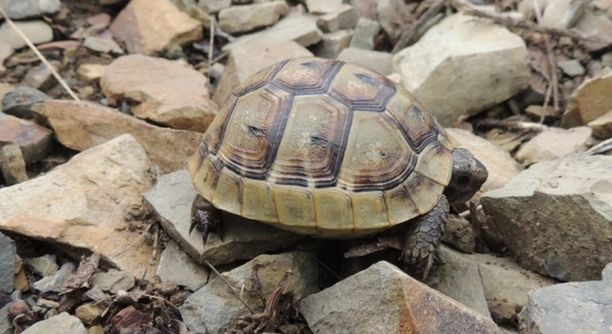
Russian tortoises are popular pets due to their calm nature and ease of care. However, many owners wonder how these reptiles feel about being petted, especially considering their natural instincts and behaviors.
Russian tortoises do not generally enjoy being petted in the way mammals do. While they may tolerate gentle handling, they do not seek physical affection and prefer to explore their environment. Frequent interaction can cause stress for these animals.
Understanding how to respect their space and comfort level is essential. Knowing the truth behind their behavior can help foster a positive relationship with your pet.
Why Russian Tortoises Are Different From Other Pets
Russian tortoises have unique behaviors compared to more traditional pets like cats or dogs. They are solitary creatures and do not form strong bonds with humans in the same way mammals do. While some reptiles may enjoy brief interactions, Russian tortoises typically prefer to remain undisturbed in their environment. They are known for their independent nature, often choosing to spend time exploring their surroundings rather than seeking affection.
Their behavior can sometimes be misinterpreted as a lack of connection, but in reality, they simply have different needs. The primary interaction that most tortoises will tolerate is gentle handling when necessary, but this should be limited to avoid stressing them out. Understanding these natural preferences can help owners provide the best care for their tortoises, creating a healthier and more comfortable environment for them.
For those new to reptile care, knowing that a Russian tortoise doesn’t crave affection may come as a surprise. It’s important to understand that their needs are more about comfort and safety than physical closeness with their owners. Keeping the environment calm and predictable will go a long way in maintaining their well-being.
How to Respect Their Boundaries
When interacting with a Russian tortoise, it’s vital to respect their boundaries. Too much handling can cause stress, leading to health issues. Their natural instincts push them to avoid interaction with larger animals, especially humans.
In addition to minimizing physical contact, you can offer enrichment activities to keep them engaged. Providing a variety of food and objects to explore helps mimic their natural foraging behavior. Although they won’t seek petting, they will enjoy a spacious enclosure that lets them roam freely, which reduces stress. Regular care and understanding of their needs will result in a healthier, more relaxed pet.
How to Properly Handle a Russian Tortoise
When handling a Russian tortoise, always be gentle. Support their body with both hands, ensuring they feel secure and balanced. Avoid grabbing or picking them up by their legs or shell, as this can cause distress or injury.
The best way to handle them is to keep interactions brief. If you need to move them, always do so slowly, ensuring their environment remains calm. After placing them back in their habitat, allow them time to adjust without further disturbance. Handling should be kept to a minimum, as frequent or rough handling can lead to anxiety or stress for your tortoise.
If your tortoise is showing signs of discomfort, such as trying to retreat into its shell, it’s best to stop interacting immediately. Forcing physical contact can negatively impact their well-being and create long-term behavioral issues. Understanding their comfort zone will help maintain a healthy relationship.
Creating the Ideal Habitat for Your Tortoise
A Russian tortoise’s habitat is crucial for its health and well-being. Providing a spacious enclosure is key, allowing room for exploration and exercise. The environment should mimic their natural habitat as much as possible, offering both hiding spots and basking areas.
Use a substrate that is safe for them to dig into, such as coconut coir or a similar material that retains moisture. This helps them feel secure while also encouraging natural behaviors like burrowing. Lighting is also important; UVB light should be provided to ensure proper calcium absorption. Temperature control is vital as well, with a warm basking area and a cooler section for resting.
Maintaining cleanliness is essential. Regularly remove any uneaten food and waste to prevent bacterial buildup. Keeping their habitat dry and free from mold or excess humidity will ensure your tortoise stays healthy. A stable, enriched environment contributes greatly to their comfort, minimizing stress and helping them thrive.
Understanding Your Tortoise’s Behavior
Russian tortoises are naturally curious but often prefer solitude. They don’t show affection like other pets, but that doesn’t mean they don’t enjoy their environment. Understanding their behaviors, like burrowing or basking, will help you meet their needs.
They are not overly social creatures, and will often retreat into their shells if feeling threatened. Their behavior is driven by survival instincts rather than a need for companionship. It’s important to observe these behaviors to avoid stressing them out. Being mindful of their space will keep them comfortable and help prevent unnecessary anxiety.
Feeding Your Russian Tortoise
A proper diet is vital for their health. Russian tortoises are herbivores, mainly feeding on leafy greens, flowers, and grasses. Incorporate a variety of these foods to prevent nutritional deficiencies. Offer fresh food daily and avoid sugary or processed items.
Their diet should be low in protein, with a strong emphasis on fiber. Avoid feeding them foods like spinach or iceberg lettuce, as they can cause digestive issues. Providing calcium-rich foods like dandelion greens and collard greens will also support bone health. Always provide fresh, clean water to keep them hydrated and healthy.
Hydration and Bathing Needs
Proper hydration is crucial for Russian tortoises. They don’t drink water in the traditional sense, but they hydrate through food and bathing. Provide a shallow dish of water for them to soak in and keep their skin hydrated.
Bathing your tortoise helps with hydration and can be a calming activity. Gently place them in warm water and allow them to soak for 15-20 minutes. It also helps with shedding, making the process easier. Ensure the water level is shallow enough for them to comfortably stand and move around without feeling overwhelmed.
FAQ
Do Russian tortoises like being held?
Russian tortoises do not enjoy being held or petted. While some may tolerate brief handling, they generally prefer to be left to explore their environment. They are not affectionate animals and can become stressed with excessive handling. It’s best to limit physical contact and allow them to roam freely in their habitat.
How often should I handle my Russian tortoise?
Handling should be kept to a minimum to avoid stress. If handling is necessary, limit it to once or twice a week. Always be gentle and mindful of how your tortoise reacts. If they show signs of discomfort, such as retreating into their shell, it’s time to stop.
What is the best way to care for a Russian tortoise’s shell?
A Russian tortoise’s shell should be kept clean and free from damage. Avoid rough handling that may cause cracks or abrasions. Ensure they have access to a UVB light source to maintain healthy shell growth. Also, providing a proper diet with calcium-rich foods will help keep the shell strong.
What type of substrate is best for a Russian tortoise’s enclosure?
Use a substrate that allows for natural digging behaviors, such as coconut coir, shredded paper, or a mixture of sand and soil. Avoid materials like cedar wood shavings, which can be harmful. Ensure the substrate is deep enough for them to burrow comfortably and maintain a clean, dry environment.
Can I house multiple Russian tortoises together?
Russian tortoises are solitary creatures and can be territorial. While some may tolerate the presence of others, it’s generally best to house them separately to prevent aggression or stress. Each tortoise should have its own space to roam and explore without competition.
How long can a Russian tortoise live in captivity?
In captivity, Russian tortoises can live for 40 to 50 years with proper care. Their lifespan depends on maintaining a balanced diet, a comfortable habitat, and regular health checks. Providing proper lighting, temperature, and hydration can also contribute to their longevity.
How much space does a Russian tortoise need?
A Russian tortoise needs plenty of space to roam and explore. A minimum of 4 to 6 square feet of space is recommended for one tortoise, but the more room you can provide, the better. Larger enclosures encourage natural behaviors and reduce stress.
What temperature should a Russian tortoise’s enclosure be?
The enclosure should have a basking area with temperatures between 90-95°F (32-35°C) and a cooler area of around 75°F (24°C). Maintaining a proper temperature gradient allows the tortoise to regulate its body temperature. Use a thermometer to ensure the right environment.
What is the best diet for a Russian tortoise?
Russian tortoises are herbivores and thrive on a diet of leafy greens, grasses, and edible flowers. Include dandelion greens, collard greens, and clover, avoiding high-oxalate foods like spinach. Occasionally offer fruits in small amounts as treats. Always ensure the food is fresh and free from pesticides.
How can I tell if my Russian tortoise is sick?
Signs of illness in a Russian tortoise may include lethargy, loss of appetite, abnormal shell growth, or difficulty moving. If your tortoise shows these symptoms, it’s important to seek advice from a veterinarian familiar with reptiles. Regular check-ups can help catch issues early.
Do Russian tortoises need UVB light?
Yes, Russian tortoises need UVB light to synthesize vitamin D3, which helps them absorb calcium for healthy bone growth. Provide a UVB bulb that covers the basking area, and replace it every 6 to 12 months to ensure optimal performance. UVB exposure is essential for their health.
How do I keep my Russian tortoise hydrated?
In addition to providing a shallow water dish, you can hydrate your tortoise by offering fresh, water-rich foods like cucumber and leafy greens. Occasionally, soak your tortoise in warm water to help with hydration and shedding. Make sure they have access to clean water at all times.
Can I feed my Russian tortoise fruit?
Fruits can be offered occasionally, but they should not make up a large portion of their diet. Too much sugar can upset their digestive system. Stick to safe options like strawberries, apples, or melons, and feed them in small amounts. Keep fruits as an occasional treat rather than a regular food source.
What kind of lighting does a Russian tortoise need?
In addition to UVB light, Russian tortoises need a heat source for basking. A basking lamp with a temperature of 90-95°F is ideal for their health. Use both a UVB bulb and a basking lamp to replicate natural sunlight, and make sure to provide a gradient of temperatures within the enclosure.
How can I tell if my Russian tortoise is stressed?
Signs of stress include excessive hiding, reluctance to eat, or frequent retreating into their shell. If your tortoise is pacing or showing signs of aggression, it may be stressed. Make sure the enclosure is large enough, and that the temperature, lighting, and humidity are appropriate for their needs.
Can Russian tortoises eat weeds from outside?
Yes, but only if they come from areas free of pesticides and chemicals. Dandelions, clover, and other safe wild plants are great additions to their diet. Always make sure the plants haven’t been treated with harmful chemicals that could harm your tortoise.
What should I do if my Russian tortoise isn’t eating?
Loss of appetite can be a sign of stress, illness, or environmental issues. Check the temperature, lighting, and humidity levels in the enclosure to ensure they are correct. If the tortoise continues to refuse food, consult with a vet to rule out health problems.
Final Thoughts
Russian tortoises, like most reptiles, are not animals that thrive on being petted or held frequently. While some may tolerate brief interactions, their natural behaviors and instincts lean towards independence. Understanding and respecting their need for space and comfort is key to maintaining a healthy relationship with them. It’s important to create an environment that allows them to express their natural behaviors, such as digging and basking, without unnecessary stress. As long as their basic needs for food, water, shelter, and appropriate lighting are met, they can live healthy, fulfilling lives.
These tortoises are hardy creatures that can live for many decades with proper care. Their longevity is a testament to their adaptability and the level of commitment needed from their owners. A well-maintained habitat is essential for their health. This includes providing a temperature gradient, UVB lighting, and a varied diet of leafy greens and occasional fruits. The more you can replicate their natural environment, the more comfortable and secure they will feel. Stress-free tortoises are more likely to thrive and develop as healthy individuals.
Handling should always be done with caution and limited to prevent unnecessary stress. By keeping interactions to a minimum, and focusing on creating the right environment, you can ensure that your Russian tortoise is comfortable and well-cared for. Their contentment comes from a stable environment where they can forage, bask, and explore. Over time, you’ll be able to observe their unique personality, even though they may not show affection in the way a dog or cat might. The key to a long, healthy life for your Russian tortoise lies in patience, understanding, and respecting their natural behaviors.

Hello,
If you enjoy the content that we create, please consider saying a "Thank You!" by leaving a tip.
Every little bit helps us continue crafting quality advice that supports the health, happiness, and well-being of pets around the world, for pets of all shapes, sizes, and species.
We really appreciate the kindness and support that you show us!