
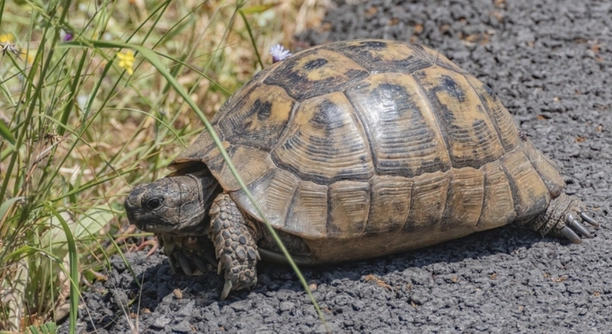
Is your Russian tortoise showing signs of stress when you handle it? Proper handling is essential for their well-being and safety. Understanding the right approach can help you build trust with your pet while preventing injuries or unnecessary stress.
The safest way to handle a Russian tortoise is by gently lifting it with both hands, supporting its underside. Avoid grabbing its limbs or flipping it upside down, as this can cause distress. Consistently handling your tortoise with care helps it feel secure and comfortable.
Handling your tortoise the right way ensures a positive experience for both you and your pet. Learning what to do—and what to avoid—can make a significant difference.
The Right Way to Handle Your Russian Tortoise
Handling your Russian tortoise correctly helps it feel secure and comfortable. Always use both hands to lift it, supporting its underside. Avoid grabbing its legs or tail, as this can cause stress. Move slowly and keep your hands steady to prevent sudden movements that may startle your tortoise. When placing it down, lower it gently to avoid injury. Handling should be brief, especially for new tortoises, to allow them to adjust. If your tortoise shows signs of distress, such as pulling into its shell or struggling, give it time to feel safe.
Handling should always be done with care. Sudden or forceful movements can make your tortoise anxious, leading to defensive behavior. Keeping interactions calm and controlled is key to building trust.
By following these steps, your tortoise will become more comfortable over time. Proper handling not only strengthens your bond but also helps prevent injuries and stress-related health issues.
What to Avoid When Handling
Avoid flipping your tortoise on its back, as this can be stressful and dangerous. Never grab it by the shell’s edges, tail, or limbs. Sudden handling can cause fear, leading to defensive reactions like hiding or biting.
Rough or frequent handling can make your tortoise feel unsafe, causing it to become withdrawn or defensive. Tortoises rely on routine and familiarity, so sudden changes can lead to unnecessary stress. If a tortoise feels threatened, it may struggle or even try to escape, increasing the risk of injury. It’s important to respect its limits and understand its body language. If it stiffens up, tucks in its head, or tries to move away, give it space. Over time, gradual and gentle handling will help your tortoise feel more secure. By being mindful of these factors, you can create a positive experience for both you and your pet.
How to Tell If Your Tortoise Is Stressed
A stressed tortoise may retreat into its shell, refuse food, or become unusually inactive. Some may scratch at their enclosure or attempt to escape. These behaviors indicate discomfort and should not be ignored, as prolonged stress can lead to health problems.
Changes in appetite are a common sign of stress. If your tortoise suddenly stops eating or avoids its favorite foods, something may be wrong. Environmental factors like loud noises, temperature fluctuations, or excessive handling can contribute to this behavior. Additionally, a stressed tortoise may pace its enclosure, repeatedly trying to climb the walls. This is often a sign that it feels insecure or that its habitat needs adjustments. Providing a quiet, stable environment with hiding spots can help ease stress and make your tortoise feel more secure.
Physical signs of stress include a withdrawn posture, rapid breathing, and excessive burrowing. A tortoise that constantly hides or refuses to interact may be experiencing anxiety. If stress continues, it can weaken the immune system, making the tortoise more prone to illness. Observing your tortoise’s behavior daily helps identify stress early, allowing you to make necessary adjustments. Limiting handling and ensuring a proper habitat setup can significantly improve its well-being.
Creating a Comfortable Habitat
A well-designed habitat provides security and reduces stress. Use a spacious enclosure with proper substrate, hiding spots, and a temperature gradient. Russian tortoises need both warm and cool areas, with a basking spot around 95°F and a cooler zone around 75°F. Ensure proper lighting and humidity levels for their health.
The substrate should allow natural digging behaviors, as tortoises enjoy burrowing. A mix of topsoil and sand works well, providing a comfortable surface. Hiding spots, such as logs or half-buried flower pots, help your tortoise feel secure. Without these elements, it may become stressed and restless. Clean the enclosure regularly, removing waste and uneaten food to maintain a healthy environment. Fresh water should always be available, even though Russian tortoises get most of their hydration from food. Providing a shallow dish allows them to drink and soak when needed.
Outdoor enclosures offer natural sunlight and space for exploration, benefiting overall health. Ensure the area is escape-proof, as tortoises are skilled climbers and burrowers. Secure fencing, shaded areas, and safe plants help create a balanced outdoor habitat. When keeping a tortoise indoors, UVB lighting is essential to support shell and bone health. A comfortable environment promotes relaxation, reducing stress-related behaviors.
How Often to Handle Your Tortoise
Handling should be limited to a few times per week, especially for new or young tortoises. Too much interaction can cause stress, leading to avoidance behaviors. Short, gentle sessions help build trust over time without overwhelming your tortoise. Always watch for signs of discomfort during handling.
Each tortoise has a different tolerance for handling. Some may become more comfortable with regular interactions, while others prefer minimal contact. Pay attention to its reactions and adjust accordingly. If your tortoise consistently tries to escape or hides after being handled, reducing frequency may help it feel more secure.
Safe Handling Techniques
Always pick up your tortoise with both hands, supporting its body evenly. Avoid sudden movements or lifting it too high, as this can cause fear. If it struggles, hold it gently but securely to prevent dropping. Keep handling sessions brief to avoid unnecessary stress.
When to Avoid Handling
Avoid handling when your tortoise is eating, sleeping, or newly introduced to its enclosure. Handling during these times can cause unnecessary stress and disrupt its routine. If your tortoise appears unwell or is shedding, limit handling to prevent further discomfort.
FAQ
How often should I bathe my Russian tortoise?
A Russian tortoise should be soaked in shallow, lukewarm water about once or twice a week. This helps with hydration and keeps the skin and shell clean. If your tortoise is shedding or has trouble passing waste, an extra soak may be beneficial.
Can I let my Russian tortoise roam around my house?
Allowing a Russian tortoise to roam freely indoors is not recommended. Floors can be too cold, and they may ingest harmful objects. Additionally, they can easily get lost or stuck in small spaces. A secure enclosure with proper heating and substrate is the safest option.
What foods should I avoid feeding my Russian tortoise?
Avoid feeding fruits, animal proteins, and high-oxalate vegetables like spinach and rhubarb. These can lead to digestive issues or nutrient imbalances. Stick to a diet of leafy greens, edible flowers, and occasional vegetables to ensure proper nutrition without causing health problems.
Why does my Russian tortoise keep trying to climb the walls of its enclosure?
Wall climbing is a sign that your tortoise may feel confined or stressed. It could be due to an enclosure that is too small or lacks hiding spots. Ensuring enough space, proper enrichment, and a varied terrain can help reduce this behavior and make your tortoise feel more secure.
How can I tell if my Russian tortoise is sick?
Signs of illness include lethargy, loss of appetite, swollen eyes, and unusual breathing sounds. A runny nose or soft shell can indicate respiratory or metabolic issues. If you notice any of these symptoms, consult a reptile veterinarian for proper diagnosis and treatment.
Is it normal for my Russian tortoise to dig a lot?
Yes, Russian tortoises are natural burrowers and will often dig to regulate temperature or feel secure. Providing a deep substrate allows them to engage in this behavior safely. Excessive digging, however, may indicate stress, improper temperatures, or the need for more hiding spots.
What is the ideal temperature for a Russian tortoise’s enclosure?
The basking area should be around 95°F, while the cooler side should stay around 75°F. Nighttime temperatures can drop slightly but should not go below 65°F. A proper temperature gradient allows your tortoise to regulate its body heat effectively.
Can Russian tortoises recognize their owners?
While they do not recognize owners in the same way mammals do, Russian tortoises can learn to associate their caregivers with food and care. Over time, they may become comfortable with familiar people and show curiosity when approached.
Why is my Russian tortoise not eating?
Loss of appetite can be caused by stress, improper temperatures, dehydration, or illness. Ensure the enclosure is set up correctly and offer fresh, varied greens. If your tortoise refuses food for several days, consult a reptile veterinarian to rule out health concerns.
How long can a Russian tortoise live?
Russian tortoises have a long lifespan, often living 40 to 50 years with proper care. Some can even reach 60 years or more. Providing a healthy diet, a well-maintained enclosure, and regular veterinary check-ups will help ensure a long, healthy life.
Final Thoughts
Handling a Russian tortoise requires patience, consistency, and attention to its comfort. These small reptiles can be delicate, and improper handling can lead to stress or injury. Always approach them gently, support their body, and give them time to adjust. Sudden movements or excessive handling can make them anxious. By creating a calm environment and respecting their natural behaviors, you can build a trusting relationship. If your tortoise shows signs of distress, such as pulling into its shell or trying to escape, give it space and try again later. Over time, they may become more comfortable with your presence.
Proper care goes beyond handling. A well-maintained enclosure, a balanced diet, and the right temperature and humidity levels all contribute to a healthy tortoise. Providing hiding spots and a safe space to burrow allows them to feel secure. Regular soakings help with hydration, and routine health checks ensure that any issues are caught early. While Russian tortoises are hardy, they still require consistent care to thrive. Neglecting their needs can lead to stress-related behaviors and health problems. Understanding their natural instincts and creating an environment that meets their needs is the best way to keep them happy and active.
Tortoises are long-term companions, often living for several decades. If you choose to care for one, be prepared for a lifelong commitment. Learning about their behaviors, preferences, and health concerns will make you a more responsible owner. Every tortoise has its own personality, and spending time observing their habits can help you understand their needs better. Whether you are a first-time owner or experienced with reptiles, handling your tortoise with care and providing the right environment will allow it to live a fulfilling life.

Hello,
If you enjoy the content that we create, please consider saying a "Thank You!" by leaving a tip.
Every little bit helps us continue crafting quality advice that supports the health, happiness, and well-being of pets around the world, for pets of all shapes, sizes, and species.
We really appreciate the kindness and support that you show us!