
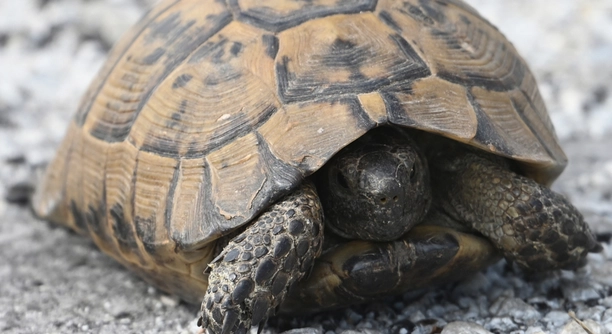
Your Russian tortoise may be hiding more than you’d expect. This behavior can sometimes be concerning, but understanding the reasons behind it can help address the issue and provide a better living environment for your pet.
Russian tortoises hide for several reasons, including stress, illness, environmental changes, or simply because they feel unsafe. Providing the right habitat conditions and regular health checks can help alleviate the causes behind this behavior.
By understanding these factors, you can ensure your tortoise feels safe, comfortable, and healthy. Keep reading to discover the possible reasons and solutions that can help your tortoise feel at ease again.
1. Stress and Anxiety
Russian tortoises are quite sensitive to stress. Changes in their environment, such as new pets, people, or even furniture rearrangement, can cause them to seek hiding places. This reaction is their way of feeling safe again. If they feel overwhelmed, they might bury themselves or stay hidden in their shell, staying out of sight. This behavior can also occur if the tortoise feels threatened by loud noises or sudden movements.
If your tortoise has recently experienced a change in its habitat, it might take some time to adjust. Gradually reintroducing them to new surroundings or removing stress triggers can help. It’s important to keep the habitat quiet and calm, giving them time to settle in.
Proper lighting, temperature, and humidity also affect your tortoise’s stress levels. A consistent environment will ease anxiety. If your tortoise continues hiding for a long period, check for other stress-related signs such as excessive lethargy, loss of appetite, or signs of illness.
2. Illness or Injury
Sometimes, your tortoise’s hiding may be due to an underlying health issue.
Russian tortoises, like other pets, instinctively hide when they feel unwell. If they are in pain or discomfort, they will retreat to a hiding spot to avoid predators. Common signs of illness include loss of appetite, lethargy, and swollen areas on the body. If you notice these, it is crucial to visit a veterinarian.
Injury or infection can cause your tortoise to hide more often. This behavior can stem from trying to protect an injured area or a lack of energy. If this happens, make sure the tortoise has a clean, quiet space to recover. Ensure they have a balanced diet to support their immune system. If you can’t determine the cause, don’t hesitate to get a professional opinion. Addressing health problems early will prevent more serious conditions in the future.
3. Temperature Issues
If the temperature in your tortoise’s habitat isn’t right, they may hide to avoid discomfort. Russian tortoises are native to warm climates, and they need a consistent temperature to thrive. If the temperature is too cold, they will retreat into their shell and stay hidden to preserve warmth.
A basking area with a heat source is essential. The temperature should range between 75-85°F during the day, with a cooler area of about 70°F. A temperature drop below 60°F can make them lethargic and cause them to hide. Make sure the enclosure has both warm and cool spots, allowing your tortoise to regulate its body temperature.
Using a thermometer to regularly monitor the habitat’s temperature will help ensure it stays within the right range. If your tortoise seems to hide more when temperatures are low, try adjusting the heating setup. A steady, comfortable environment will encourage your tortoise to be more active and less likely to retreat into hiding.
4. Lack of Space
Russian tortoises need ample space to roam, forage, and explore. If they feel confined in their habitat, they may resort to hiding as a form of escape. A cramped environment can cause them to become stressed, reducing their overall activity and causing them to stay hidden more often.
Make sure the enclosure is large enough for your tortoise to move around freely. The space should allow them to have a basking area, a cool area, and room to dig or hide naturally. If your tortoise is showing signs of hiding, consider upgrading their space. A larger, more enriched environment helps them feel more comfortable and less stressed.
Additionally, providing safe, natural hiding spots in the enclosure will help your tortoise feel more secure. Adding plants, rocks, and a place to burrow will give them control over their surroundings and reduce the need to hide constantly.
5. Poor Diet
A poor diet can lead to health issues, making your tortoise feel unwell and causing them to hide. If they’re not getting the proper nutrients, they may become lethargic and seek hiding spots to rest. Ensure they have a balanced diet with fresh greens, vegetables, and some fruit.
A varied diet is essential for maintaining their health and energy levels. Avoid offering them too much fruit or processed foods, as these can lead to digestive issues. Stick to leafy greens like dandelion, kale, and collard greens, which provide necessary vitamins and minerals. A proper diet will keep your tortoise healthy and active.
Make sure to provide clean water at all times, and supplement their food with calcium and vitamin D3. Poor nutrition often goes unnoticed, but it can result in long-term health problems if not addressed. Offering a balanced, natural diet ensures your tortoise remains strong and active, less likely to hide due to discomfort.
6. Shell Health
If your tortoise’s shell is in poor condition, they might hide to avoid the stress of injury or infection. Shell problems can arise from malnutrition, accidents, or poor living conditions. Make sure their shell remains clean and free of any cracks or infections.
Regularly check your tortoise’s shell for any signs of damage, such as cracks, soft spots, or discoloration. If you notice any of these, consult a veterinarian to ensure the shell is healing properly. A healthy shell is important for the tortoise’s overall well-being, and proper care can prevent future problems.
A strong, well-maintained shell helps your tortoise feel more secure, reducing the need to hide. Keep their environment clean and ensure they have access to proper UVB lighting to help maintain shell health. A healthy tortoise is more likely to stay active and engage with its surroundings rather than retreat into hiding.
7. Natural Behavior
Russian tortoises are naturally solitary creatures. Sometimes, hiding is just part of their normal behavior, and they may seek out a quiet space to rest or sleep. This is common and usually not a cause for concern if other factors are normal.
Your tortoise might just need some alone time to relax and feel safe. As long as they’re eating, drinking, and not showing signs of stress or illness, there’s no need to worry. Providing a calm and secure environment will give them the space they need. They will emerge when they feel comfortable.
FAQ
Why is my Russian tortoise hiding all the time?
Russian tortoises hide for several reasons, such as stress, illness, temperature issues, or even just natural behavior. If your tortoise is hiding frequently, check if there have been any changes in their environment, such as loud noises, new pets, or changes in temperature. Stress can cause them to retreat into their shell for safety. It’s important to observe whether they are eating, drinking, and behaving normally outside of their hiding spots.
What can I do if my tortoise keeps hiding?
If your tortoise hides often, make sure the habitat is suitable. This includes providing the right temperature, humidity, and space. Also, ensure they are not stressed by sudden changes or by the presence of other pets. If hiding continues despite these adjustments, check for signs of illness, such as loss of appetite, lethargy, or abnormal behavior. In these cases, a visit to a veterinarian is advisable.
How can I reduce my tortoise’s stress?
To reduce stress, keep your tortoise’s environment stable and quiet. Avoid making frequent changes to their enclosure, and try to minimize loud noises. Providing hiding spots that feel safe and secure can help them feel more at ease. Also, maintaining proper lighting, temperature, and humidity levels is crucial. The more comfortable they feel, the less likely they will be to hide.
How do I know if my tortoise is sick?
Signs that your tortoise may be sick include loss of appetite, lethargy, unusual hiding behavior, or changes in their shell, such as cracks or soft spots. Also, if they have difficulty moving or breathing, it’s important to get them checked by a vet. A healthy tortoise is usually active, eats regularly, and moves around their enclosure without difficulty.
Is it normal for my tortoise to hide when it’s cold?
Yes, if the temperature is too low in their enclosure, your tortoise may hide to conserve body heat. Russian tortoises prefer warm environments, and a temperature drop below 60°F can cause them to become lethargic or seek shelter in hiding spots. Check the temperature of your enclosure, and make sure there’s a warm basking area for your tortoise.
How much space does my tortoise need in their enclosure?
Russian tortoises require a spacious enclosure to roam and explore. A general guideline is a minimum of 4×2 feet for an adult tortoise, though more space is always better. This allows them to move freely, bask, and find hiding spots. If the enclosure is too small, it can lead to stress and hiding behavior.
Can poor diet cause my tortoise to hide?
Yes, a poor diet can lead to health issues that may make your tortoise feel unwell and more likely to hide. Russian tortoises need a balanced diet of leafy greens, vegetables, and a small amount of fruit. If they’re not receiving proper nutrition, they may become lethargic and withdrawn. Ensure their food is fresh, varied, and nutritious to prevent hiding due to health problems.
What should I do if my tortoise’s shell is damaged?
If you notice cracks or damage on your tortoise’s shell, it’s important to get them checked by a veterinarian. Shell injuries can be painful and may lead to infection. A vet can clean and treat the wound to ensure proper healing. In the meantime, make sure your tortoise’s environment is clean and free from any harmful elements that could worsen the injury.
How do I set up the right temperature for my tortoise’s habitat?
The ideal temperature range for your Russian tortoise is between 75-85°F during the day, with a cooler area of about 70°F. You can achieve this by using a heat lamp or ceramic heat emitter. Make sure your tortoise has access to both a basking area with higher heat and cooler spots where they can retreat if they get too warm. Always monitor the temperature with a thermometer.
Can my tortoise hide due to boredom?
Yes, if your tortoise is not getting enough stimulation or space, they may hide out of boredom. Russian tortoises are curious and need space to explore, dig, and forage. Adding different textures, hiding spots, and plants can encourage natural behaviors and reduce the need to hide. A larger, enriched enclosure can help your tortoise stay active and engaged.
Final Thoughts
Understanding why your Russian tortoise hides can be the first step toward making sure they feel comfortable and safe in their environment. Hiding is a natural behavior for tortoises, but frequent or prolonged hiding could indicate something isn’t quite right. Whether it’s stress, illness, temperature issues, or natural tendencies, knowing the cause will help you address the issue properly. By keeping a watchful eye on their habits and environment, you can often spot the problem before it becomes more serious.
It’s important to make sure their habitat is well-suited to their needs. This includes providing a proper temperature range, enough space, and hiding spots where they can feel secure. Regularly check that the enclosure is clean, with a suitable diet and access to water. Also, don’t forget to monitor their health—if they show signs of illness, it’s best to consult a veterinarian for a professional opinion. Taking these simple steps can help reduce stress and allow your tortoise to live a healthier, happier life.
Remember that some hiding is completely normal. Tortoises are naturally solitary creatures, and sometimes they simply need their own time to rest. But when you notice other signs, like changes in appetite or behavior, it’s worth investigating further. By creating a calm and stable environment, you can help your tortoise feel comfortable enough to spend more time out in the open. With a bit of attention and care, your Russian tortoise can thrive in a well-balanced habitat.

Hello,
If you enjoy the content that we create, please consider saying a "Thank You!" by leaving a tip.
Every little bit helps us continue crafting quality advice that supports the health, happiness, and well-being of pets around the world, for pets of all shapes, sizes, and species.
We really appreciate the kindness and support that you show us!