
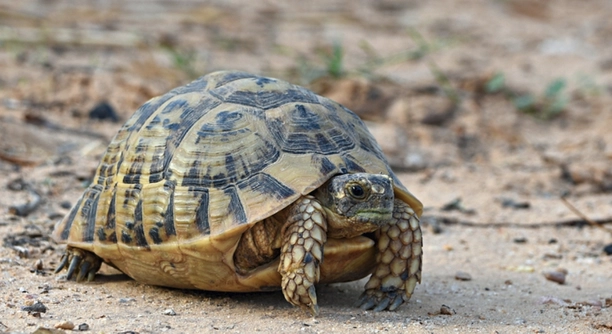
Russian tortoises are fascinating creatures with unique behaviors, and many wonder how much sleep they actually need. Their sleeping habits can vary based on their environment and natural instincts. Understanding these can help ensure a healthier and more balanced lifestyle for them.
Russian tortoises typically sleep for around 8-12 hours a day, with their sleeping patterns influenced by factors such as light exposure and temperature. They are most active during the day, often resting at night or during cooler periods in their environment.
There is much more to learn about how these tortoises manage their rest and active periods.
How Do Russian Tortoises Sleep?
Russian tortoises are known for their consistent sleep habits, which are influenced by both their internal clock and external environment. In the wild, these tortoises sleep during the night, seeking shelter in burrows or under rocks. They tend to follow a pattern of waking up at sunrise and resting after sunset. However, in captivity, their sleep cycle can be affected by the light and temperature of their surroundings. In warmer months, they may remain more active, but during colder seasons, they tend to sleep longer to conserve energy. This sleep pattern can vary, but it generally lasts for 8-12 hours each day.
Temperature and light exposure are key factors influencing their sleep. In a controlled environment, their sleep cycle can be optimized by providing the right amount of heat and light. If the environment is too hot, tortoises may retreat into their shells or sleep more frequently. Conversely, they may become more active with cooler temperatures and ample light exposure.
Understanding these factors ensures that Russian tortoises get the right balance of rest, aiding their overall well-being. When their sleep needs are met, they thrive and maintain healthy activity levels.
What Affects Their Sleeping Habits?
Temperature plays a significant role in determining when a Russian tortoise sleeps. They need a stable, warm environment to stay active during the day.
In the wild, Russian tortoises adapt their sleep patterns based on the seasonal changes and their surroundings. During colder months, they may enter a state of brumation, a form of hibernation, where their metabolism slows down, and they sleep for extended periods. This natural instinct helps them conserve energy when food is scarce and temperatures drop. For tortoises kept as pets, this cycle is typically influenced by their habitat’s temperature and seasonal light changes. Keeping their enclosure well-regulated is essential to maintaining healthy sleeping habits.
During warmer months, Russian tortoises spend more time basking in the sun, and their sleep cycle may shorten due to increased activity. As daylight decreases in fall, their sleep increases, following the rhythm of the seasons. The use of UVB lights in a terrarium mimics the natural environment, supporting their day and night cycle, ensuring they get quality rest.
How to Create a Comfortable Sleeping Environment
A proper sleep environment for Russian tortoises includes the right temperature, humidity, and lighting. It’s crucial to maintain a warm spot with a temperature range between 75-85°F. Ensuring a temperature gradient allows the tortoise to regulate its body heat effectively.
Creating a comfortable space for your Russian tortoise goes beyond just temperature. The humidity level should be around 40-60%, and providing a dry, sheltered spot where they can retreat is essential. Too much humidity can lead to respiratory issues, while too little can cause dehydration. The enclosure should also have hiding spots and a place where your tortoise can burrow or seek privacy when feeling stressed or tired.
Proper lighting is just as important. UVB lighting mimics sunlight and is necessary for your tortoise to process calcium, preventing shell deformities and promoting overall health. A 12-hour light/dark cycle is ideal for aligning with their natural sleep patterns. With the right setup, your tortoise will feel more at ease, sleep soundly, and stay healthy.
Signs Your Tortoise Might Be Sleeping Too Much
Over-sleeping can indicate problems in your tortoise’s environment or health. If your tortoise is constantly sleeping or seems overly lethargic, it could be a sign of an imbalance. One common reason is an improper temperature setup.
When the temperature is too cold, your tortoise may sleep excessively to conserve energy. Ensure that the warm side of their habitat stays within the recommended range. If the tortoise is still too sluggish despite proper heating, it might be dealing with other health issues, such as an infection or a calcium deficiency. If the tortoise is excessively inactive or has trouble waking up, it’s best to consult with a vet. Monitoring your tortoise’s sleep habits will help you spot potential issues early and ensure they remain healthy and active.
When providing a suitable environment, closely observe how your tortoise reacts. A healthy tortoise should be alert and curious when awake, but if they seem overly sluggish or refuse to wake up, something may be off.
Should You Wake Up Your Russian Tortoise?
Generally, it’s best to let your tortoise sleep without interruption. Waking them up unnecessarily can cause stress, which may affect their overall well-being. If you’re concerned about their sleeping patterns, monitor their environment instead.
However, if you notice your tortoise is sleeping for extended periods during warmer months, it might be worth checking their habitat for any imbalances. A cooler environment or inadequate lighting might cause them to become more sluggish than usual. Let your tortoise wake up on its own. They typically follow a natural rhythm and will adjust based on the conditions you provide.
The Importance of Rest for Russian Tortoises
Just like any other pet, Russian tortoises need quality rest to stay healthy. Their metabolism relies on sleep to process nutrients and maintain energy levels for their active periods. Without sufficient rest, they can become stressed or exhibit abnormal behaviors.
Providing a stable, comfortable sleep environment helps ensure that your tortoise sleeps enough to recharge. Over time, it will also help to regulate their natural sleep-wake cycle, so they remain more active and vibrant. Healthy rest contributes to better digestion, stronger immune systems, and an overall happier tortoise.
Can Russian Tortoises Sleep During the Day?
While Russian tortoises generally sleep at night, they are capable of taking naps during the day. This is especially true when the temperature drops or when they feel they need a rest from being active. Sleeping during the day is a normal behavior, especially in response to environmental changes.
If you notice your tortoise resting more than usual during the day, check the temperature and light exposure in their habitat. Keeping the environment too hot or cold may prompt them to seek rest during daylight hours. Adjusting their enclosure can help prevent this from becoming a regular issue.
FAQ
How long do Russian tortoises sleep each day?
Russian tortoises generally sleep between 8-12 hours per day. Their sleep habits are influenced by factors like the time of year, temperature, and light exposure. In cooler months or during brumation, they may sleep longer. In warmer months, they may be more active but still need rest during the night.
Do Russian tortoises need to sleep at night?
Yes, Russian tortoises typically follow a nocturnal sleep pattern, resting at night and being active during the day. This pattern helps them conserve energy and align with their natural circadian rhythm. The presence of light and a proper temperature will support this natural cycle.
What happens if my Russian tortoise sleeps too much?
Excessive sleeping can indicate an imbalance in their environment, like improper temperature or inadequate lighting. If your tortoise is sleeping more than usual, it may also be a sign of health issues such as a respiratory infection or calcium deficiency. It’s important to monitor their sleep habits closely.
Can I wake up my Russian tortoise?
It’s best to let your tortoise wake up naturally. Waking them up unnecessarily can cause stress, which may affect their health. If your tortoise is sleeping excessively, it’s more beneficial to check their environment rather than disturbing their rest. Let them follow their natural sleep cycle.
How do I know if my Russian tortoise is sleeping too little?
If your tortoise seems overly active, restless, or displays signs of stress, they might not be getting enough sleep. A lack of sleep can result from environmental issues like incorrect temperatures or lack of proper hiding spots. Make sure their habitat is comfortable, with the right temperature range and enough places to rest.
Do Russian tortoises sleep in the same place every night?
Yes, Russian tortoises tend to choose a particular spot in their habitat to sleep, usually where they feel safe and secure. They may sleep in burrows, under rocks, or in a hidden corner of their enclosure. It’s important to ensure they have a designated resting area to feel comfortable.
How can I tell if my Russian tortoise is sleeping well?
A well-rested tortoise should appear calm and relaxed when awake, with clear, alert eyes. If your tortoise is well-rested, they will move around, eat, and drink as usual when awake. Poor sleep can lead to lethargy or a lack of interest in food, which can indicate environmental or health problems.
Can Russian tortoises sleep during the day?
Yes, Russian tortoises can sleep during the day, especially if their environment is too hot or if they’re feeling stressed. They might also take naps during the day if they’re not feeling well or need a break from their activities. It’s important to ensure their environment stays balanced to support their natural rhythms.
Should I adjust my tortoise’s environment to help them sleep better?
Yes, maintaining the correct temperature and humidity in their environment is crucial to helping your tortoise sleep well. Providing a UVB light to mimic the natural daylight cycle and offering hiding spots will create a safe and comfortable place for them to rest. Avoid too much direct heat and allow for cooler areas to escape to.
Can Russian tortoises sleep while they are eating?
Tortoises do not typically sleep while eating. However, they may rest or become less active during meals, especially if they’re feeling full or are eating in a comfortable spot. If your tortoise seems excessively lethargic during meals, check their environment for potential issues.
Is it normal for my Russian tortoise to sleep in different spots?
While they usually have a preferred spot, Russian tortoises may occasionally sleep in different areas of their habitat. This can be normal, especially if they are exploring new spots or trying to escape from heat. If they are regularly changing sleeping locations, it might indicate they are uncomfortable with their current setup.
Final Thoughts
Russian tortoises are known for their relatively predictable sleep patterns. Like other reptiles, their sleep is often influenced by the temperature and lighting in their environment. Understanding their natural sleep behavior is essential to ensure they remain healthy and active. They typically sleep between 8-12 hours a day, but this can change depending on the season, as they may enter brumation during colder months. It’s important to monitor their habitat and provide the right conditions to support their natural rhythms.
If you notice your tortoise sleeping too much or too little, it’s a sign that something might be wrong with their environment. Too much sleep can indicate issues like improper temperature or a health problem, while too little sleep could mean they’re stressed or not getting the right care. Regularly checking their enclosure, adjusting the lighting, and providing safe, quiet places for them to sleep can make a big difference in their well-being. A balanced environment will encourage them to rest and stay healthy.
Overall, keeping a Russian tortoise in a healthy, well-maintained environment is key to their sleep patterns. This will help them feel safe, secure, and active during the daytime. Remember that they need a mix of warmth, UVB light, and cool places to rest. With the right setup, your tortoise can enjoy good sleep and lead a happy, healthy life. If you’re unsure about their sleep habits or notice any changes, it’s always a good idea to consult a reptile vet for advice.

Hello,
If you enjoy the content that we create, please consider saying a "Thank You!" by leaving a tip.
Every little bit helps us continue crafting quality advice that supports the health, happiness, and well-being of pets around the world, for pets of all shapes, sizes, and species.
We really appreciate the kindness and support that you show us!