
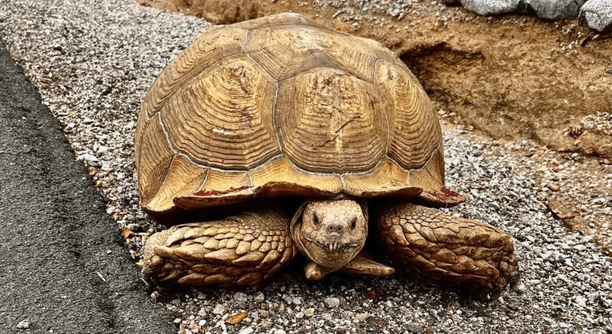
Owning a sulcata tortoise can be a rewarding experience, but it’s important to ensure they’re in good health. Observing their behavior and appearance can tell you a lot about their well-being.
A healthy sulcata tortoise will show clear signs of vitality, including a strong appetite, clear eyes, active movement, and a well-maintained shell. Regular monitoring and proper care help identify any health concerns early, ensuring their longevity and comfort.
Knowing what to look for in terms of physical and behavioral signs can provide peace of mind. Let’s explore how to keep your sulcata tortoise in the best shape possible.
Active Behavior
A sulcata tortoise that is in good health will be naturally active and alert. When they’re feeling well, they’ll wander around their habitat, stretch out in the sun, and explore their surroundings. Inactive or lethargic behavior is often a sign something is wrong. Keep an eye on how they move throughout the day. Healthy tortoises may rest, but they’ll do so in between moments of active exploration.
If your tortoise spends too much time hiding or stays in one place for days, it might be a sign of discomfort or illness. If they are slow to respond when approached, something could be off. Always make sure they have enough space to roam around.
Remember that a tortoise’s environment plays a big role in its activity. Ensure they have a safe, spacious area with plenty of things to interact with, such as rocks, plants, and other textures. The proper temperature also affects their energy. Ensure their enclosure is ideal for them to thrive.
Clear, Bright Eyes
Healthy sulcata tortoises have clear, bright eyes with no discharge. The eyes should not appear swollen or irritated. If you notice any cloudiness or excessive watering, it’s time to investigate the possible cause.
Tortoises with eye problems may have trouble seeing or may even become more reclusive. Eye issues can be a sign of dehydration or infections. Keep their habitat clean and ensure they have access to fresh water daily to maintain eye health.
Healthy, Smooth Shell
A healthy shell is a good indicator of your tortoise’s well-being. It should be smooth and free of cracks, soft spots, or discoloration. A well-maintained shell protects your tortoise from harm and helps regulate its body temperature.
Check the shell regularly for any signs of injury or infection, such as swelling or unusual growths. The scutes, or individual plates on the shell, should shed properly in a clean and smooth manner. A poorly cared-for shell can lead to long-term health issues like deformities or infections.
A healthy shell also depends on your tortoise’s diet and habitat. Be sure they get a proper balance of calcium and vitamin D to maintain shell health. Inadequate nutrition or exposure to the sun can lead to metabolic bone disease, which affects the shell’s integrity and growth.
Proper Appetite
A healthy sulcata tortoise will eat regularly and show interest in its food. If your tortoise is refusing food or eating significantly less than usual, it may be a sign of an underlying problem.
Their diet should consist of a variety of grasses, leaves, and vegetables. Healthy tortoises will graze and eat throughout the day. If their appetite declines or they become picky with food, you might need to adjust their diet or consult a vet.
Ensure that your tortoise has a balanced, high-fiber diet to aid digestion and maintain its energy. Lack of appetite can also be linked to environmental stressors, such as temperature fluctuations, incorrect lighting, or overcrowded living conditions. Proper care can help avoid these problems and promote a healthy appetite.
Bright, Firm Tail
A healthy sulcata tortoise has a firm and straight tail. It should not appear limp or swollen. A tail that seems too soft or shows signs of infection could indicate an issue with their health.
Pay attention to any unusual changes in the tail’s appearance or behavior. A healthy tortoise will use its tail without difficulty. If you notice any abnormal swelling, redness, or discharge, it’s best to consult a vet.
Strong Legs
Strong legs allow your tortoise to move around easily and without limping. Tortoises that are in good health will walk steadily, with their legs supporting their body weight evenly. If the legs are weak or appear swollen, this may signal a problem.
Healthy legs are key to your tortoise’s mobility and independence. Check the legs regularly for any signs of injury or infection, and ensure they have proper footing in their habitat.
FAQ
How often should I check my sulcata tortoise for health signs?
It’s important to check your sulcata tortoise regularly, ideally every few days. By doing so, you can catch any issues early and address them before they become more serious. Regular checks will help you stay on top of their health and ensure they’re not showing signs of illness.
What should I do if my tortoise isn’t eating?
If your tortoise refuses to eat, it could be a sign of stress, illness, or environmental issues. Check the temperature and lighting in their enclosure, as well as their diet. If the problem persists for more than a few days, it’s best to consult a veterinarian.
Is it normal for my tortoise to sleep a lot?
Yes, tortoises sleep quite a bit, especially in the evening or during cooler parts of the day. However, if your tortoise is excessively lethargic or sleeping more than usual, this could indicate health issues, including improper temperatures or nutritional imbalances.
How can I tell if my tortoise is dehydrated?
Signs of dehydration in sulcata tortoises include dry, flaky skin, sunken eyes, and a lack of urination. Make sure your tortoise has constant access to clean water and mist their shell occasionally to keep them hydrated, especially in dry conditions.
What is the best diet for a sulcata tortoise?
Sulcata tortoises are herbivores, and their diet should consist mostly of grasses, hay, and leafy greens. You can also offer flowers like dandelions and hibiscus. Avoid feeding them high-protein foods or fruits too often, as this can lead to digestive problems.
Why is my tortoise’s shell becoming soft?
A soft shell could be a sign of metabolic bone disease, which is typically caused by a lack of calcium, vitamin D, or improper UVB lighting. Ensure that your tortoise has access to proper lighting and supplements as needed to maintain a strong shell.
What should I do if I notice my tortoise has nasal discharge?
Nasal discharge can be a sign of respiratory infection, which can be caused by environmental stress, poor humidity, or bacterial infections. If your tortoise has nasal discharge, it’s important to get them checked by a veterinarian as soon as possible for treatment.
How do I maintain the right temperature for my tortoise?
Sulcata tortoises require a warm environment to thrive. You should provide a basking spot that is between 95–100°F (35–38°C) and a cooler area that’s around 75–85°F (24–29°C). Use a reliable thermometer and heat lamps to ensure the temperature stays within the appropriate range.
Can my tortoise be housed with other animals?
It’s not recommended to house sulcata tortoises with other animals, especially other reptiles. Tortoises can be territorial, and other animals might stress them out or cause injury. Always keep your sulcata tortoise in its own space to ensure it feels safe and secure.
What signs should I look for if my tortoise has an infection?
Infections can show up in many ways, including swelling, discharge (from the eyes, nose, or mouth), loss of appetite, and lethargy. If you notice any of these signs, it’s important to take your tortoise to a vet for proper diagnosis and treatment.
How can I keep my tortoise’s habitat clean?
Maintaining a clean habitat is essential for your tortoise’s health. Remove uneaten food, change the water daily, and spot-clean any waste. You should also do a deep clean of their enclosure weekly, including disinfecting surfaces and replacing bedding. A clean habitat helps prevent infections and illnesses.
What is the best type of substrate for a sulcata tortoise?
A good substrate for a sulcata tortoise should be easy to clean, absorb moisture, and mimic natural conditions. Use a mix of hay, organic topsoil, or coconut coir. Avoid sand or gravel, as these can cause impaction if ingested. Ensure the substrate is not too deep.
Should I provide my tortoise with UVB lighting?
Yes, UVB lighting is essential for a sulcata tortoise’s health. It helps them synthesize vitamin D3, which is crucial for calcium absorption and shell health. Make sure the UVB light is on for about 10–12 hours a day and replaced every 6 months to ensure it remains effective.
How can I tell if my tortoise is overweight or underweight?
You can assess your tortoise’s weight by feeling along its sides. It should have a rounded shape, without prominent ribs or a sunken belly. If you notice excessive bulging or noticeable weight loss, adjust their diet and consult a vet for further guidance.
Is it okay for my tortoise to hibernate?
Sulcata tortoises do not hibernate in the traditional sense like other species, but they do undergo a period of reduced activity during cooler months. Make sure the temperatures stay consistent and within the proper range to avoid any health issues during this time.
Taking care of a sulcata tortoise requires attention and effort, but seeing them healthy and thriving makes it all worthwhile. By regularly checking their shell, legs, tail, and behavior, you can catch early signs of any issues and address them before they become serious. Keeping their habitat clean, their diet balanced, and their environment properly set up are the main factors in maintaining their well-being. It’s important to make sure your tortoise is comfortable, active, and shows interest in their food.
Remember that sulcata tortoises are long-lived creatures, and they rely on their owners for proper care throughout their lives. Regular check-ups and keeping track of changes in behavior or appearance are essential for spotting health problems early. Staying on top of their needs, such as providing UVB lighting, hydration, and a proper diet, helps ensure they stay strong and healthy. A slight change in their routine can sometimes signal an underlying issue, so being observant is key.
Lastly, it’s always helpful to consult a veterinarian if you notice anything unusual, especially if symptoms persist or worsen. Even though sulcata tortoises can live a long time in captivity, they still need the proper care to thrive. Knowing the signs of a healthy tortoise allows you to create a stable, supportive environment for them to enjoy. By following simple steps to monitor their health and adjusting their care as needed, your sulcata tortoise can lead a long, happy life with you.

Hello,
If you enjoy the content that we create, please consider saying a "Thank You!" by leaving a tip.
Every little bit helps us continue crafting quality advice that supports the health, happiness, and well-being of pets around the world, for pets of all shapes, sizes, and species.
We really appreciate the kindness and support that you show us!