
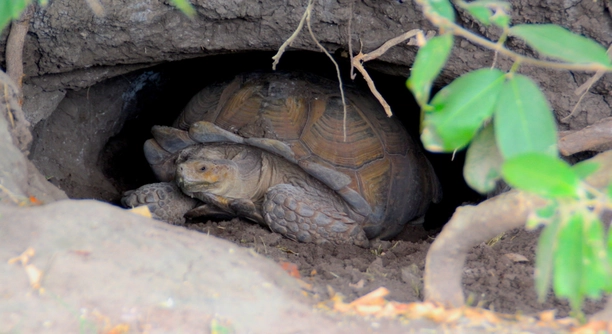
Is your sulcata tortoise constantly pushing objects around, moving rocks, bowls, or decorations in its enclosure? This behavior may seem unusual, but it is actually quite common among sulcatas and can be influenced by various natural instincts and environmental factors.
Sulcata tortoises push objects around due to their natural burrowing and territorial instincts. They may also be reacting to boredom, a lack of space, or environmental stressors. Providing enrichment and adjusting their habitat can help manage and redirect this behavior effectively.
Understanding why your tortoise engages in this behavior can help you create a more suitable and engaging environment. Small adjustments can make a big difference in their overall well-being and daily activity.
Natural Instincts Behind Pushing Behavior
Sulcata tortoises have strong instincts that drive them to push objects. In the wild, they dig burrows for shelter and push obstacles out of their way. This behavior helps them navigate their environment and establish their territory. Even in captivity, these instincts remain, leading them to move items around their enclosure. If they encounter objects in their path, they will push them aside without hesitation. Some tortoises may even enjoy the challenge of moving heavy objects, treating it as a form of physical activity. Providing a spacious and enriched habitat can help keep them engaged.
A tortoise that frequently pushes objects may also be responding to an undersized enclosure. If the space feels too small, they may attempt to rearrange items or push against the walls to create more room. Ensuring they have adequate space can help reduce excessive pushing behavior.
To support their natural instincts, consider adding safe, movable objects for them to interact with. Large rocks, logs, or sturdy hides can provide enrichment while giving them something to push that won’t cause harm. A well-structured habitat allows them to express their instincts in a controlled way.
Environmental Factors That Influence Behavior
Changes in the environment can cause an increase in pushing behavior. If a tortoise feels too hot or lacks proper hiding spots, it may move objects to create a more comfortable space. A stressful or unfamiliar setting can also trigger this behavior.
Temperature, humidity, and enclosure setup all play a role in a tortoise’s activity level. If the habitat is too warm or lacks shaded areas, they may push objects to find relief. Providing hiding spots, temperature gradients, and proper substrate can help them feel more secure. A well-balanced enclosure setup ensures they remain comfortable and engaged.
Boredom is another factor to consider. Tortoises are naturally curious and need mental stimulation. If their environment lacks variety, they may push objects simply for entertainment. Rotating decorations, introducing new textures, and offering edible plants can provide enrichment. Regular outdoor time in a secure area can also help keep them active. By adjusting their habitat and adding engaging elements, you can help reduce excessive pushing while ensuring they stay mentally and physically stimulated.
How to Manage Excessive Pushing
A tortoise that constantly pushes objects may need adjustments to its enclosure. Ensuring they have enough space, hiding spots, and environmental enrichment can help redirect this behavior. Small changes can make a big difference in their activity levels and overall well-being.
Increasing the enclosure size is one of the most effective ways to reduce excessive pushing. Sulcata tortoises require ample space to roam, and a small enclosure can lead to frustration. If they feel confined, they may push objects or attempt to escape. Providing a larger area with natural obstacles like rocks and logs can keep them engaged. Additionally, hiding spots help them feel secure, reducing stress-related pushing. Rearranging their habitat occasionally can also prevent boredom. Giving them new textures, tunnels, or objects to explore can provide mental stimulation and satisfy their instinct to move things around.
If boredom seems to be the cause, offering enrichment activities can help. Placing hay piles, edible plants, or puzzle feeders in their enclosure can encourage natural foraging behaviors. Some tortoises enjoy pushing durable balls or sturdy objects as a form of exercise. Spending time outdoors in a secure area also provides new sensory experiences. Keeping their environment engaging can minimize unnecessary pushing while supporting their natural instincts.
When to Be Concerned About Pushing Behavior
A tortoise that suddenly starts pushing excessively may be reacting to stress, discomfort, or an underlying health issue. If their behavior changes abruptly, it’s important to observe for other signs of distress, such as loss of appetite, lethargy, or excessive digging. Environmental adjustments may not always be enough.
Health issues, such as respiratory infections or parasites, can cause restlessness. A tortoise in discomfort may try to push objects in an attempt to find relief. Checking for symptoms like nasal discharge, wheezing, or abnormal stool can help identify potential health concerns. If unusual behavior persists, a veterinarian should assess their condition. A professional can determine if medical treatment or dietary changes are needed.
Stress can also be a factor. Loud noises, frequent handling, or an enclosure that lacks proper hiding spots can lead to increased pushing. If the tortoise appears restless or agitated, reducing external stressors and providing a more secure environment can help them feel more at ease.
Adjusting Their Habitat for Comfort
A tortoise that constantly pushes objects may need a more suitable habitat. Ensuring the enclosure has proper temperature gradients, shaded areas, and a variety of textures can help them feel secure. A well-designed space can prevent stress-related behaviors and keep them engaged.
Providing sturdy barriers can also make a difference. If a tortoise sees movement outside its enclosure, it may push against the walls in an attempt to explore. Solid, opaque walls can reduce this behavior. Adding natural elements like logs, rocks, and tunnels creates a stimulating environment while giving them appropriate objects to interact with.
Recognizing Signs of Frustration
A tortoise that frequently pushes with force or repeatedly targets the same object may be displaying frustration. If the behavior continues despite environmental adjustments, they might need more space, enrichment, or a new enclosure layout to meet their needs.
Encouraging Healthy Activity
Encouraging movement through safe, enriching activities can help redirect excessive pushing. Providing outdoor time, offering food puzzles, and rotating objects in their enclosure keeps them active. A balanced environment supports their natural behaviors while preventing unnecessary stress or restlessness.
FAQ
Why does my sulcata tortoise push things around all the time?
Sulcata tortoises push objects due to natural instincts, boredom, or environmental stress. They are strong and naturally explore by moving obstacles in their path. If they lack space or mental stimulation, they may push objects more frequently to release energy or express frustration.
Is pushing objects a sign of aggression?
Most of the time, pushing objects is not a sign of aggression. Tortoises do this as part of their natural behavior, especially if they are curious or trying to rearrange their space. However, if the pushing is accompanied by head bobbing or ramming, it could be territorial behavior.
Can a small enclosure make my tortoise push objects more?
Yes, a small enclosure can lead to excessive pushing. Sulcata tortoises need plenty of space to roam, and if they feel confined, they may attempt to push their way out. Expanding their living area or providing more enrichment can help reduce this behavior.
What can I do to stop my tortoise from pushing objects?
Ensuring they have a spacious and enriching habitat can help. Adding sturdy barriers, hiding spots, and various textures keeps them engaged. Introducing safe, movable objects like logs or puzzle feeders can redirect their energy in a positive way, preventing them from pushing other enclosure items.
Could my tortoise be trying to escape?
If a tortoise constantly pushes against the enclosure walls, it may be attempting to escape. This can happen if they feel overcrowded, see open spaces beyond the enclosure, or are reacting to stressors like loud noises. Using solid walls and adjusting their environment can help reduce this behavior.
Does the weather affect how much my tortoise pushes objects?
Yes, temperature changes can influence their activity levels. If it’s too hot, they may push objects to create a cooler resting spot. In cooler temperatures, they might become more restless. Providing proper temperature gradients and shaded areas can help regulate their comfort.
Should I remove all objects from their enclosure?
No, removing objects can make the environment less stimulating. Instead of taking everything away, provide sturdy, safe objects for them to interact with. Logs, large rocks, and edible plants can give them things to explore without increasing frustration.
Can diet affect their pushing behavior?
A poor diet can lead to restlessness and increased activity. If a tortoise isn’t getting enough fiber or essential nutrients, it may become more active in search of food. Providing a well-balanced diet with grasses, hay, and leafy greens ensures they stay healthy and satisfied.
Is pushing behavior more common in younger tortoises?
Yes, younger sulcata tortoises are often more active and exploratory, leading to more pushing. As they grow and become familiar with their environment, this behavior may decrease. However, even adult tortoises may push objects if they are bored or lack space.
When should I be concerned about excessive pushing?
If pushing is accompanied by other unusual behaviors like loss of appetite, lethargy, or constant pacing, it could indicate stress or health problems. If environmental adjustments don’t help, a vet check-up can rule out medical issues that might be causing the behavior.
Can I train my tortoise to stop pushing things?
While you can’t train a tortoise in the same way as a pet dog, you can modify their environment to discourage excessive pushing. Providing plenty of space, enrichment activities, and a varied enclosure setup can naturally reduce the behavior without the need for direct training.
What are some good enrichment activities to prevent pushing?
Offering different textures, edible plants, and puzzle feeders can keep them engaged. Some tortoises enjoy pushing sturdy objects like balls or logs, which can be a safe outlet for their energy. Outdoor time in a secure space also helps keep them mentally stimulated.
Could my tortoise be pushing objects because it’s lonely?
Sulcata tortoises are generally solitary animals, so loneliness is unlikely to be the cause. However, if they don’t have enough stimulation, they may push objects out of boredom. Ensuring they have an enriching environment can keep them occupied and reduce unnecessary movement.
Will this behavior go away on its own?
Pushing is a natural behavior and won’t completely stop, but it can be reduced with proper care. As long as your tortoise has enough space, stimulation, and a comfortable environment, excessive pushing should become less frequent over time.
Final Thoughts
Sulcata tortoises are naturally strong, active creatures that use their environment to express themselves. Pushing objects is a common behavior that often comes from curiosity, instinct, or a need for more space. While it can sometimes be a sign of stress, it is usually not something to worry about unless it becomes excessive or leads to injury. By understanding the reasons behind this behavior, you can make simple adjustments to their enclosure and daily routine to keep them engaged and comfortable. Providing enough space, proper barriers, and interesting objects to explore can help reduce unnecessary pushing.
A well-balanced diet, a spacious habitat, and environmental enrichment all play a role in keeping a sulcata tortoise happy. If they continue to push objects despite having everything they need, consider making small changes like rearranging their enclosure, adding new textures, or offering interactive feeding options. Watching their behavior closely can help you determine if their needs are being met. If the pushing seems excessive or unusual, checking for underlying stress factors such as temperature changes, noise, or an inadequate enclosure size can help address the issue. Simple adjustments can go a long way in promoting their well-being.
Every tortoise has its own personality, and some may always be more active than others. As long as they are eating well, behaving normally, and not showing signs of distress, occasional pushing is just part of their nature. Keeping their environment safe and engaging ensures they stay healthy and satisfied. With the right care, a sulcata tortoise can thrive for many years, providing a fascinating glimpse into their unique behaviors and instincts. Observing their actions and making thoughtful changes when needed helps create a comfortable and enriching life for them.

Hello,
If you enjoy the content that we create, please consider saying a "Thank You!" by leaving a tip.
Every little bit helps us continue crafting quality advice that supports the health, happiness, and well-being of pets around the world, for pets of all shapes, sizes, and species.
We really appreciate the kindness and support that you show us!