
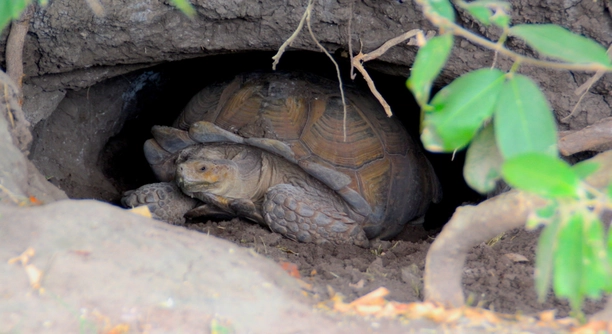
Caring for a Sulcata tortoise can be both rewarding and challenging. However, there are many myths about their care that can cause confusion. In this article, we’ll set the record straight on some common misconceptions.
There are several myths about Sulcata tortoises, such as their dietary needs, housing requirements, and behavior. These false beliefs can lead to improper care, which may harm their health. It is important to distinguish fact from fiction for responsible tortoise care.
Understanding the truths behind these myths will help you provide the best care for your Sulcata tortoise. You’ll be more confident in creating a suitable environment and diet to ensure your tortoise thrives.
Myth 1: Sulcata Tortoises Can Live Off Lettuce Alone
Many people believe that Sulcata tortoises only need lettuce to survive. While lettuce can be part of their diet, it’s not enough to keep them healthy. These tortoises are herbivores and require a variety of grasses, weeds, and high-fiber plants for proper nutrition. A diet focused solely on lettuce lacks the nutrients and fiber they need, which can lead to health problems such as shell deformities or digestive issues.
A well-balanced diet for a Sulcata tortoise should include grasses, hay, and a variety of leafy greens, not just lettuce. Over-relying on lettuce can cause nutritional imbalances that impact the tortoise’s overall well-being.
Feeding your Sulcata tortoise a variety of plants and grasses is key to keeping it healthy. In the wild, they graze on a wide range of vegetation, which helps provide the vitamins and minerals necessary for their growth and shell health. If you’re unsure about the right foods, you can always consult with a reptile veterinarian to ensure you’re meeting your tortoise’s dietary needs. It’s crucial to avoid feeding them high-oxalate or too sugary foods as they can be harmful in the long term.
Myth 2: Sulcata Tortoises Can Thrive in Small Cages
Some believe that Sulcata tortoises can live comfortably in small enclosures. This is far from the truth. Sulcatas are one of the largest species of tortoises, growing up to 30 inches long and weighing up to 100 pounds. In the wild, they roam over large areas in search of food, and they require ample space to stretch their legs and stay healthy.
A small cage limits their movement and can cause stress, leading to behavioral issues and health complications. A large outdoor pen with plenty of room to roam is ideal for these tortoises. If you keep them indoors, a large enclosure with access to natural sunlight is necessary for their well-being. Without proper space, they can develop poor posture and even suffer from metabolic bone disease due to lack of exercise and insufficient UVB light. It’s important to mimic their natural habitat as much as possible.
Myth 3: Sulcata Tortoises Don’t Need Any Water
Another common misconception is that Sulcata tortoises don’t require much water. While they do have a natural ability to survive in arid conditions, they still need fresh water daily. Dehydration is a serious issue and can lead to kidney problems, constipation, and even death.
It’s important to provide them with access to clean, fresh water at all times. A shallow dish works well for this, but be sure to clean it regularly to avoid bacteria buildup. It’s also crucial to offer water during their active hours, as they may not drink much if they’re kept in cooler temperatures.
Some Sulcata tortoises may also enjoy soaking in shallow water to help with hydration and to aid in shell maintenance. This isn’t necessary for every tortoise but can be a beneficial practice. Just remember, providing fresh water daily is essential for their health.
Myth 4: Sulcata Tortoises Can Live in Cold Environments
Sulcata tortoises are often thought to be hardy enough to survive in cold climates, but they cannot tolerate cold temperatures. These tortoises are native to the hot, dry regions of Africa and require warmth to stay healthy.
Keeping them in a cold environment can lead to hibernation-like states, which can weaken their immune system and cause severe health issues. To ensure their well-being, it’s important to maintain a temperature of at least 80°F (27°C) in their habitat. If they’re kept outdoors, you may need to build a heated shelter to protect them from colder nights and winter months.
Without proper heat, their digestion slows, and they may stop eating. Additionally, prolonged exposure to cold temperatures can lead to respiratory infections and other serious health conditions. Ensuring a warm environment with UVB lighting is key to maintaining a healthy Sulcata tortoise.
Myth 5: Sulcata Tortoises Don’t Need Any Supplementation
Some people believe that Sulcata tortoises can get all the nutrients they need from their natural diet alone. While a good diet is crucial, supplementation can still play an important role in their health, especially for indoor tortoises.
Calcium and vitamin D3 supplements are often necessary to ensure their bones and shells remain strong. Without these, they may develop metabolic bone disease, which can cause deformities and other issues. Offering these supplements, particularly when the tortoise doesn’t get enough natural sunlight, can prevent these problems.
It’s also important to provide a variety of foods to ensure they get a full spectrum of vitamins and minerals. Consulting a reptile veterinarian to discuss proper supplementation is highly recommended to ensure your tortoise is getting the best care possible.
Myth 6: Sulcata Tortoises Will Stop Growing After a Certain Age
Many believe Sulcata tortoises stop growing once they reach adulthood, but that’s not true. These tortoises continue to grow throughout their lives, albeit at a slower rate.
While their growth slows down after reaching maturity, they can still add a few inches to their size as they age. This is why providing enough space for their growth is crucial. If they are confined in small areas, they might experience stunted growth or deformities. Their shells and overall health can suffer if they don’t have room to move and stretch.
Myth 7: Sulcata Tortoises Can Live Without Any Attention
There’s a belief that Sulcata tortoises are low-maintenance pets who can be left alone without much attention. While they don’t need daily affection like some pets, they still need care and monitoring to ensure they’re healthy.
Providing the proper habitat, diet, and hydration is essential, but regular check-ups are also important. You should observe them for any signs of illness or distress. Without proper care and monitoring, they can develop issues that may be difficult to treat later on. Additionally, they can become bored or stressed without enough stimulation.
Myth 8: Sulcata Tortoises Will Always Eat Whatever Is Offered
Sulcata tortoises can be picky eaters, and they won’t always eat anything that’s given to them. This can be especially true if they’re offered food they don’t find appetizing or if they’re not feeling well.
While it’s easy to assume they’ll eat anything placed in front of them, you need to pay attention to their preferences and adjust their diet accordingly. Keeping their food fresh and varied is key to ensuring they eat enough. If your tortoise isn’t eating, it may also be a sign of health issues that should be addressed.
FAQ
How often should I feed my Sulcata tortoise?
Sulcata tortoises should be fed daily, but the type of food and its quantity depend on their size and age. Juvenile tortoises generally eat more frequently, while adults can be fed every other day. Their diet should consist of grass, weeds, and high-fiber greens, with occasional treats like flowers and cactus. Overfeeding can lead to obesity, so it’s important to offer food in moderation.
Can Sulcata tortoises live indoors?
Yes, Sulcata tortoises can live indoors, but their habitat needs to be carefully controlled. They require access to UVB lighting to help with calcium absorption, as well as heat to maintain their body temperature. An outdoor enclosure with natural sunlight is ideal, but indoor setups can be successful if the right conditions are met. Make sure you have a large enough space for them to roam, and keep the temperature at a consistent level around 80°F (27°C) to 90°F (32°C).
What temperature should I keep my Sulcata tortoise’s habitat?
The ideal temperature for a Sulcata tortoise’s habitat is between 80°F and 90°F (27°C to 32°C) during the day. At night, the temperature can drop slightly, but it should not fall below 70°F (21°C). Sulcatas are heat-loving creatures, and exposure to cold can lead to health problems. Make sure to provide a heat source, such as a basking lamp, to maintain the right conditions.
Do Sulcata tortoises need water every day?
Yes, Sulcata tortoises need access to fresh water every day. Dehydration can lead to serious health issues, so it’s important to provide a shallow water dish they can easily access. Additionally, you can occasionally soak your tortoise in lukewarm water for 15-20 minutes, which can help with hydration and keep their shell in good condition. Always ensure their water is clean and changed regularly.
How long do Sulcata tortoises live?
Sulcata tortoises are known for their long lifespan and can live anywhere from 50 to 100 years with proper care. This makes them a lifelong commitment. While they are slow growers, they can reach maturity around 15-20 years old. Their longevity depends on a healthy diet, environment, and veterinary care throughout their life.
Can Sulcata tortoises coexist with other animals?
Sulcata tortoises are generally solitary creatures and prefer to have their own space. While they can be kept with other tortoises of the same species, they should not be housed with smaller animals, as Sulcatas may become aggressive or accidentally injure them. If you do plan to house them with other animals, carefully monitor their interactions and provide enough space for everyone to feel comfortable.
What should I do if my Sulcata tortoise isn’t eating?
If your Sulcata tortoise isn’t eating, first check the temperature and humidity of its habitat. Stress, improper temperature, or health problems can cause a loss of appetite. Make sure you are offering fresh, nutritious food, and that the enclosure is large enough. If your tortoise continues to refuse food, consult with a reptile vet to rule out any underlying health issues.
Is it necessary to supplement my Sulcata tortoise’s diet with calcium?
Yes, it’s important to supplement your Sulcata tortoise’s diet with calcium, especially if they’re kept indoors without access to natural sunlight. Calcium helps prevent metabolic bone disease and ensures healthy shell and bone growth. You can dust their food with a calcium powder that also contains vitamin D3 to support proper calcium absorption. Make sure to follow the instructions on the supplement for the correct dosage.
What kind of substrate is best for Sulcata tortoises?
For Sulcata tortoises, it’s best to use a substrate that mimics their natural environment. This includes a mix of hay, grass, and dirt. Avoid using substrates like sand or gravel, as they can cause impaction if ingested. A good option is coconut coir or soil mixed with straw, which allows them to dig and move around comfortably. Be sure to clean their habitat regularly to prevent bacterial buildup.
Do Sulcata tortoises need special lighting?
Yes, Sulcata tortoises need UVB lighting to synthesize vitamin D3, which helps them absorb calcium from their diet. Without UVB lighting, they may develop metabolic bone disease and other health issues. You can provide UVB with a special bulb designed for reptiles, which should be kept on for 10-12 hours a day. If your tortoise is outdoors and gets sufficient sunlight, additional lighting may not be necessary.
What should I do if my Sulcata tortoise has a shell crack?
If your Sulcata tortoise has a cracked or damaged shell, it’s important to act quickly. Clean the area gently to prevent infection and apply a non-toxic, shell-safe antiseptic. If the crack is deep, or if the tortoise seems to be in pain or unwell, take them to a reptile veterinarian for proper treatment. Shell damage can be serious, so seek professional advice to avoid further complications.
How can I prevent my Sulcata tortoise from becoming obese?
To prevent obesity in your Sulcata tortoise, make sure to feed them a balanced diet consisting of high-fiber grasses and weeds. Limit high-calcium, sugary foods, and be mindful of portion sizes. Make sure your tortoise has enough space to move around and exercise. Obesity can lead to a range of health problems, so monitor their weight and activity levels regularly.
Is it safe to let my Sulcata tortoise roam in my house?
It’s not recommended to let your Sulcata tortoise roam freely in your house. They can be hard to supervise and may accidentally injure themselves by getting into dangerous areas. It’s best to provide a secure outdoor pen or a large indoor enclosure with proper heating and UVB light. Always supervise their time outside their enclosure to ensure their safety.
Caring for a Sulcata tortoise comes with unique challenges, but it can also be incredibly rewarding. These tortoises are fascinating creatures that require proper care and attention to thrive. Understanding their needs, from diet and space to temperature and lighting, is essential in ensuring their long-term health. A common misconception is that they are easy to care for, but in reality, Sulcata tortoises require a commitment of time, effort, and resources. By providing the right environment and diet, you can help your tortoise live a long, healthy life.
One of the most important things to remember when caring for a Sulcata tortoise is that they are not typical pets. They are large, slow-growing creatures with specific habitat requirements. They need plenty of space to roam and graze, and they should never be confined to a small enclosure. Their diet should focus on high-fiber grasses, weeds, and greens, with occasional treats. Additionally, regular access to clean water is crucial for hydration and overall health. Providing these essential needs, along with proper UVB lighting, will help prevent many of the health problems that can arise from improper care.
Lastly, it’s important to remember that Sulcata tortoises can live for many decades. This means they are a lifelong responsibility. Their growth can be slow, but they will continue to grow throughout their lives. This long lifespan means you must be prepared to care for them as they age. Regular check-ups with a reptile veterinarian can help identify any potential issues early, ensuring they stay healthy as they get older. Whether you’re a new tortoise owner or someone with years of experience, staying informed about their care will allow you to give your Sulcata tortoise the best possible life.

Hello,
If you enjoy the content that we create, please consider saying a "Thank You!" by leaving a tip.
Every little bit helps us continue crafting quality advice that supports the health, happiness, and well-being of pets around the world, for pets of all shapes, sizes, and species.
We really appreciate the kindness and support that you show us!