
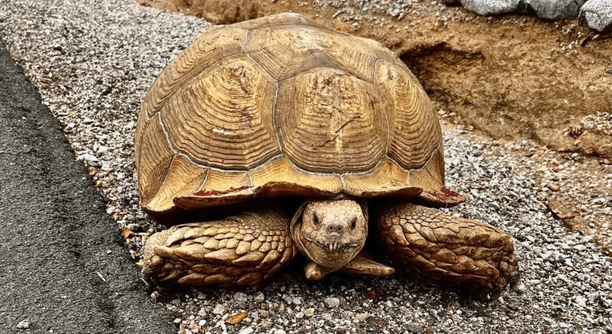
Are you planning to introduce a new sulcata tortoise to your home? Ensuring a smooth transition is essential for their well-being. Understanding how to introduce them properly can help prevent stress, territorial disputes, and potential health concerns.
The safest way to introduce a new sulcata tortoise is through gradual acclimation. Keeping them separate initially, monitoring behavior, and providing adequate space will help reduce stress and aggression. Proper habitat conditions and careful observation are key to a successful introduction.
Introducing a new tortoise requires patience and proper planning. By following the right steps, you can create a peaceful environment that allows both tortoises to thrive together.
Creating a Stress-Free Environment
When introducing a new sulcata tortoise, a stress-free environment is essential. Start by setting up a separate enclosure for the newcomer. This allows them to adjust without immediate contact. Ensure both enclosures have proper heat, humidity, and hiding spots. Familiar scents and a stable routine can make the transition smoother. Monitor their behavior closely for signs of stress, such as excessive hiding or lack of appetite. Gradually allow them to see each other through a barrier before any direct interaction. Rushing the process can cause territorial behavior and aggression, making the introduction more difficult.
A slow introduction helps build familiarity. When they show calm behavior, supervised short meetings in a neutral space can encourage positive interactions. Keep sessions brief and observe their reactions carefully. If either tortoise shows signs of stress or hostility, separate them and try again later.
Consistency is key when helping tortoises adapt to changes. Providing a stable and comfortable space allows them to feel secure. Offering familiar foods and maintaining proper temperature levels can also ease the transition. The more controlled the environment, the easier it will be for them to coexist peacefully.
Managing Territorial Behavior
Sulcata tortoises can be territorial, especially when another tortoise enters their space. Keeping initial interactions limited and controlled helps prevent conflicts. Watch for signs of dominance, such as head bobbing, nudging, or chasing.
To reduce territorial aggression, introduce them in a neutral area where neither has established dominance. This minimizes defensive behavior and allows them to get used to each other. Providing multiple hiding spots, food sources, and basking areas prevents competition. If one tortoise continuously displays aggressive behavior, they may not be compatible. Separating them permanently may be necessary for their well-being.
Supervision is necessary during all interactions. If aggression becomes persistent, reassess their living conditions. Sometimes, increasing enclosure size or adjusting temperature and lighting can help reduce stress. A peaceful introduction takes time, but ensuring their comfort and security will lead to a better relationship between the tortoises.
Establishing Separate Feeding Areas
Feeding areas should be separate to prevent competition. Placing food in different locations ensures both tortoises have access without conflict. This prevents one from dominating mealtime and helps reduce stress. Keeping feeding routines consistent also encourages a sense of security for both tortoises.
If one tortoise eats faster than the other, feeding them at different times may help. Some tortoises become territorial over food, which can lead to pushing or biting. Observing their behavior during mealtime allows adjustments as needed. Providing a variety of leafy greens, hay, and calcium sources in multiple spots helps ensure a balanced diet.
Consistency in feeding locations and times helps maintain a calm environment. If aggression continues, offering meals in separate enclosures may be the best solution. Over time, some tortoises become comfortable eating together, but others may always require divided feeding areas to avoid stress.
Monitoring Behavior Changes
Behavior changes can indicate stress or discomfort. Signs of distress include excessive hiding, loss of appetite, and aggression. If a tortoise displays unusual behavior, adjusting their environment may help. Close observation ensures issues are addressed before they escalate, making it easier for them to coexist peacefully.
Aggressive behavior, such as biting or ramming, may indicate discomfort with their new companion. Providing more space or additional hiding areas can reduce tension. If one tortoise constantly avoids the other, they may feel unsafe. Keeping their living area clean and ensuring proper temperature regulation also supports a healthier adjustment period.
If behavior issues persist, separation may be necessary. Some tortoises do not adapt well to living with another. If one tortoise becomes overly dominant, the stress on the other can lead to health issues. Recognizing signs early and making necessary adjustments improves their chances of a successful introduction.
Providing Adequate Space
A spacious enclosure reduces stress and prevents territorial disputes. Each tortoise should have enough room to move freely without feeling crowded. Larger enclosures with multiple basking spots and hiding areas help minimize direct competition and allow each tortoise to establish their own space comfortably.
Overcrowding increases the risk of aggression. If a tortoise feels confined, they may become defensive, leading to pushing or biting. Expanding their habitat or creating separate sections within the enclosure can help maintain harmony. Ensuring proper space allocation supports a more peaceful introduction and long-term cohabitation.
Gradually Increasing Interaction
Short, supervised meetings help tortoises adjust to each other. Start with brief interactions in a neutral space to observe their reactions. If they remain calm, gradually extend their time together. Avoid forcing interactions, as it can cause unnecessary stress and make the introduction process more difficult.
Recognizing Signs of Compatibility
Peaceful interactions, such as exploring together or ignoring each other, indicate compatibility. If both tortoises exhibit relaxed body language and show no signs of stress or aggression, they are likely adjusting well. Continued monitoring ensures their environment remains stable and suitable for cohabitation.
FAQ
Can sulcata tortoises live together permanently?
Sulcata tortoises are naturally solitary and may struggle with cohabitation. While some tolerate each other, long-term housing together often leads to dominance issues. Males, in particular, tend to be territorial and aggressive. If housing multiple tortoises, providing ample space and separate feeding areas is essential to prevent stress and conflict.
How do I know if my tortoises are getting along?
Signs of compatibility include calm interactions, shared basking areas, and a lack of aggression. If tortoises ignore each other or explore without confrontation, they are likely adjusting well. However, signs of stress, such as biting, ramming, or excessive hiding, indicate tension and may require intervention.
What should I do if one tortoise is bullying the other?
If one tortoise displays dominance, such as pushing or preventing access to food, immediate action is necessary. Increasing space, adding visual barriers, or feeding separately can help. If aggression continues, housing them in separate enclosures is the best solution to ensure both remain healthy and stress-free.
Can sulcata tortoises share a basking spot?
A shared basking spot can cause competition, leading to pushing or dominance. Providing multiple basking areas ensures both tortoises can regulate their body temperature without conflict. If one tortoise consistently forces the other away, separate basking zones should be established to maintain balance.
Is it normal for sulcata tortoises to fight at first?
Initial interactions may include mild pushing or circling as they establish boundaries. However, repeated aggression, ramming, or biting is a sign of incompatibility. Monitoring early interactions closely helps determine if adjustments are needed to create a safer and more comfortable environment.
Should I separate my tortoises at night?
If they exhibit tension during the day, separating them at night can prevent stress-related injuries. Some tortoises become more territorial in enclosed spaces, so providing separate sleeping areas may be necessary. If aggression continues, full-time separation should be considered for their well-being.
Can a baby sulcata tortoise be housed with an adult?
Housing a baby sulcata with an adult is risky. The size difference can lead to unintentional harm, especially if the adult becomes territorial. A larger tortoise may accidentally trample or injure the smaller one. Keeping them in separate enclosures ensures the safety of the younger tortoise.
What enclosure size is best for two sulcata tortoises?
For two juvenile sulcatas, at least a 100-square-foot enclosure is recommended. Adults require significantly more space, with a minimum of 500 square feet per tortoise. Larger enclosures reduce stress and allow both tortoises to establish their own areas without competition.
How long does it take for tortoises to adjust to each other?
Adjustment time varies. Some tortoises become comfortable within a few weeks, while others may never fully accept a companion. Observing their interactions over time helps determine if cohabitation is suitable. If aggression persists, separating them permanently is the safest option.
What should I do if my tortoises stop eating after being introduced?
Stress from a new companion can cause temporary loss of appetite. Providing separate feeding areas and ensuring they feel secure may help. If appetite loss continues for more than a week, checking for underlying health issues and considering separation may be necessary.
Are male or female sulcata tortoises more aggressive?
Males are generally more aggressive, especially toward other males. They may engage in dominance behaviors such as ramming and flipping their opponent over. Females tend to be less confrontational but can still display territorial tendencies. Pairing tortoises of similar temperaments can sometimes reduce conflicts.
Can sulcata tortoises recognize each other?
Sulcata tortoises have limited social recognition. While they may become familiar with another tortoise in their space, they do not form strong social bonds. Their interactions are primarily based on territory and resource competition rather than companionship.
What signs indicate that my tortoises need to be permanently separated?
Repeated aggression, stress behaviors, loss of appetite, and injuries indicate that permanent separation is necessary. If one tortoise is constantly hiding, avoiding interaction, or showing signs of distress, keeping them in separate enclosures ensures their well-being.
Final Thoughts
Sulcata tortoises require careful management, especially when housed together. While some may tolerate each other, competition for space, food, and basking areas often leads to stress and aggression. Providing a large enclosure with separate feeding stations and multiple hiding spots can reduce tension, but conflicts may still arise. Monitoring their behavior closely ensures that any signs of dominance or distress are addressed quickly. If one tortoise consistently bullies the other or prevents access to resources, separation is the best solution. Ensuring a stress-free environment helps maintain their health and prevents injuries caused by territorial disputes.
Each tortoise has its own temperament, which affects how well they adjust to a shared space. Some may be naturally more dominant, while others prefer solitude. Young tortoises might seem tolerant of each other, but as they grow, their behavior can change. Even mild pushing or nudging can escalate over time, leading to more serious confrontations. Introducing tortoises slowly, monitoring their interactions, and making adjustments as needed are key steps in preventing problems. If repeated conflicts occur, forcing them to cohabitate can cause unnecessary stress. Prioritizing their well-being over the idea of keeping them together is essential for their long-term health.
Tortoise ownership comes with responsibilities that go beyond basic care. Providing proper space, nutrition, and enrichment ensures they remain healthy and active. When housing multiple sulcatas, patience and observation are necessary to determine if cohabitation is working. If aggression or stress becomes a problem, separating them is the most responsible choice. Each tortoise thrives best in an environment suited to its individual needs. By understanding their behaviors and making thoughtful decisions, owners can create a comfortable and safe space that allows their tortoises to grow and remain healthy throughout their lives.

Hello,
If you enjoy the content that we create, please consider saying a "Thank You!" by leaving a tip.
Every little bit helps us continue crafting quality advice that supports the health, happiness, and well-being of pets around the world, for pets of all shapes, sizes, and species.
We really appreciate the kindness and support that you show us!