
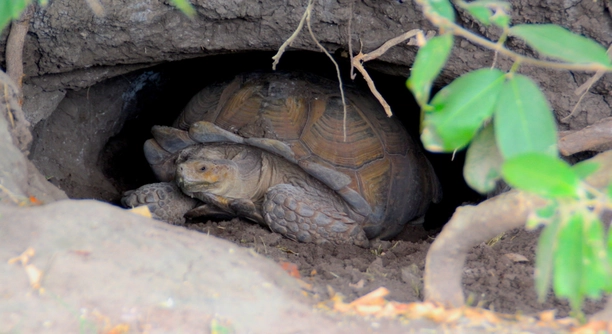
Do you notice clicking noises coming from your Sulcata tortoise and wonder what they might mean?
Clicking sounds from Sulcata tortoises are often caused by respiratory issues or a problem with their jaw. These noises can also result from excessive dry conditions or improper humidity, which can lead to respiratory infections or discomfort.
It is important to observe your tortoise closely to identify any other symptoms. Understanding the root cause can help prevent further issues and ensure your pet’s well-being.
Why Clicking Noises Can Happen
Sulcata tortoises can make clicking sounds for a number of reasons, with one common cause being respiratory infections. These infections are often due to a dry or dusty environment, which can irritate their lungs and cause discomfort. It’s important to keep the habitat properly humid and well-ventilated to avoid such issues. If the clicking sound persists, it may indicate a more serious health problem, such as a chronic respiratory condition or an injury to the jaw. Monitoring your tortoise’s behavior and environment can help you identify potential causes. The clicking might also be a sign of stress or discomfort from other conditions like improper diet or incorrect temperatures.
In some cases, the clicking sound is simply a sign of a misalignment in the tortoise’s jaw. A jaw misalignment can cause discomfort during feeding, leading to unusual noises as the tortoise tries to chew or move food around.
Taking time to adjust their living space, providing the right temperature, and feeding them properly will go a long way in preventing these issues. If the clicking noise continues despite improvements, it’s best to take your tortoise to a vet who specializes in reptiles. A professional can determine whether it’s a minor problem or something that requires immediate attention. It’s important to act quickly to ensure your tortoise stays healthy and happy.
Common Respiratory Issues
Respiratory issues are a major cause of clicking sounds in tortoises.
Tortoises, especially Sulcatas, are sensitive to changes in their habitat. Too much humidity or a sudden temperature drop can stress their respiratory system, leading to wheezing or clicking sounds. An improper diet can also contribute by weakening their immune system, making them more susceptible to infections. Over time, untreated respiratory infections can worsen, potentially causing further health problems. Regular checkups with a vet who understands reptiles are recommended, as early detection and treatment can save your tortoise from further suffering.
Environmental Factors and Dryness
The environment plays a big role in whether your Sulcata tortoise makes clicking noises.
A dry environment can lead to respiratory issues in tortoises. If the humidity levels are too low or the air is too dry, your tortoise may struggle to breathe properly, resulting in wheezing or clicking. Ensuring the habitat has enough moisture and a stable temperature is essential for their health. You can place a shallow dish of water or use a humidity box to help maintain proper moisture levels. A regular misting of their enclosure also helps keep the airways clear.
In addition to humidity, proper temperature control is crucial. Tortoises need a warm environment to thrive, as they are cold-blooded. If the enclosure is too cold, they may develop respiratory problems, which could lead to clicking sounds. By adjusting the heating lamps and using a thermometer to monitor temperature, you can prevent these issues and create a comfortable environment for your tortoise. The goal is to mimic their natural habitat as closely as possible to keep them healthy and stress-free.
Feeding and Jaw Problems
Clicking noises can also be a result of feeding issues.
If your tortoise is not chewing properly, it can cause clicking sounds when they try to break down food. This could happen due to an uneven bite, a broken tooth, or jaw misalignment. Over time, this may cause discomfort and clicking noises as they try to chew. The issue may not always be obvious, and you might only notice it when your tortoise is eating or making unusual sounds during feeding time.
Ensure that your tortoise is eating the right foods and is offered them in manageable sizes. Foods that are too hard, or incorrectly cut, may stress their jaw. If you suspect a jaw issue, check for any visible injuries or misalignments. A vet can assess whether any dental care or surgery is needed. Regular monitoring of their eating habits and health is key to catching these problems early and preventing further discomfort.
Stress and Anxiety
Stress can cause a Sulcata tortoise to make clicking noises.
When a tortoise is stressed, it can exhibit unusual behaviors, including making clicking sounds. Stress can be triggered by sudden changes in the environment, loud noises, or the presence of unfamiliar animals. A tortoise may click as a way to cope with the discomfort caused by anxiety.
Creating a calm and stable environment is crucial for reducing stress. Avoid loud noises, sudden changes, and excessive handling. Consistent care and attention can help keep your tortoise calm, lowering the chances of stress-related behaviors. Keeping their routine predictable and providing a secure, quiet space will help them feel more comfortable.
Temperature Regulation
Temperature regulation is essential to prevent respiratory issues.
Proper temperature control is vital to avoid respiratory problems in tortoises. Sulcata tortoises need a warm environment to stay healthy. A heat source that provides a consistent temperature between 80°F and 90°F during the day is ideal, with a cooler area for them to retreat to.
Having a thermometer and a basking lamp to maintain appropriate temperatures is essential. A temperature that is too low can lead to respiratory stress, causing your tortoise to click or wheeze. Check the temperature regularly to ensure that it stays within the ideal range. If the temperature fluctuates too much, it can cause discomfort, leading to health problems.
FAQ
Why is my Sulcata tortoise making a clicking sound?
Clicking sounds from your Sulcata tortoise are often a sign of respiratory issues, which could be caused by dry or improper environmental conditions, such as low humidity or incorrect temperatures. Another possible cause is jaw misalignment or discomfort during feeding. If the clicking persists, it’s important to examine their living conditions and consult a vet for a proper diagnosis.
How can I prevent my Sulcata tortoise from making clicking noises?
To prevent clicking sounds, focus on providing a stable, properly humidified environment with the right temperature. Ensure the enclosure is clean and free from dust, and avoid drafts that could affect the air quality. Offering a balanced diet and reducing stress also helps prevent respiratory or jaw problems.
What should I do if my tortoise’s clicking sounds don’t go away?
If your tortoise’s clicking sounds don’t go away after adjusting the environment, it’s a good idea to visit a reptile vet. The vet can check for underlying health problems such as respiratory infections or jaw issues and offer appropriate treatment. Early intervention can prevent the condition from worsening.
Can stress cause my Sulcata tortoise to make clicking noises?
Yes, stress can cause clicking noises in Sulcata tortoises. They may click when feeling anxious or uncomfortable, which can happen due to changes in their environment, loud noises, or being handled too much. Creating a quiet, calm space for your tortoise and reducing unnecessary disruptions can help alleviate stress.
Are there any signs of illness I should watch for in my Sulcata tortoise?
Besides clicking noises, you should watch for signs like labored breathing, loss of appetite, lethargy, or watery eyes. If your tortoise seems more sluggish than usual or appears to have trouble eating, it’s essential to take them to a vet for a check-up. Early detection can prevent severe issues.
How important is humidity for my Sulcata tortoise’s health?
Humidity plays a significant role in maintaining your tortoise’s respiratory health. Sulcata tortoises, like many reptiles, need proper humidity levels to avoid respiratory stress. If the air is too dry, it can lead to breathing problems, making them more prone to infections. You should maintain a humidity level of around 50-60%, depending on the tortoise’s specific needs.
What temperature should I keep my Sulcata tortoise’s enclosure at?
Your Sulcata tortoise’s enclosure should maintain a temperature between 80°F and 90°F during the day, with a basking area that can go up to 95°F. At night, the temperature can drop to 70°F. Proper heating ensures that your tortoise can digest food properly and remain healthy, reducing the risk of respiratory issues.
Can my Sulcata tortoise’s clicking sound be related to its diet?
Yes, diet can sometimes contribute to clicking sounds if the tortoise struggles to chew its food. For example, an uneven jaw or broken teeth can make it hard to eat properly, leading to clicking noises during feeding. Ensure your tortoise is eating the right food and is provided with manageable portions to avoid dental strain.
What are some common mistakes to avoid when caring for a Sulcata tortoise?
Some common mistakes include keeping the tortoise in an enclosure that’s too small, failing to provide adequate temperature or humidity control, or overfeeding. It’s also essential not to feed them foods that are too hard or difficult to chew, as this can lead to jaw issues and clicking sounds. Regular cleaning and monitoring their health are important for their overall well-being.
How can I tell if my Sulcata tortoise is stressed?
Signs of stress in Sulcata tortoises may include excessive clicking, hiding more often, changes in eating habits, or aggressive behaviors. Stress can also be caused by factors like unfamiliar animals, loud sounds, or sudden changes in their environment. Try to keep their surroundings calm and routine to minimize stress.
Final Thoughts
In conclusion, if your Sulcata tortoise is making clicking noises, it is important to first assess its environment. The clicking could be caused by a variety of factors, including respiratory issues, dryness, or stress. By ensuring that the humidity and temperature levels are optimal, you can help prevent many common health problems that may lead to clicking sounds. Sulcata tortoises, like all reptiles, thrive in stable conditions that mimic their natural habitat. This means providing proper humidity, temperature, and airflow in their enclosure. It’s also crucial to make sure that the tortoise is not exposed to drafts or extreme temperature fluctuations.
If adjusting the environment does not resolve the clicking noise, it may be time to look at potential health issues. A respiratory infection or jaw misalignment could be at the root of the problem. It’s important to consult with a veterinarian who specializes in reptiles to ensure that any underlying medical issues are addressed. Regular checkups and quick action can prevent the problem from getting worse, leading to more serious health complications. Tortoises may not always show obvious signs of illness, so paying attention to subtle changes in behavior and sounds is important. A veterinary professional will be able to diagnose the issue and suggest treatment or corrective measures if needed.
Remember, creating a comfortable and calm living environment for your Sulcata tortoise is key to preventing stress-related behaviors, including clicking sounds. Avoid loud noises, handle them gently, and try to maintain a consistent routine. With proper care and attention, you can ensure that your tortoise remains healthy and happy, reducing the chances of clicking noises and other health issues. Always stay alert to your pet’s needs and seek advice from a professional if you are unsure about any symptoms.

Hello,
If you enjoy the content that we create, please consider saying a "Thank You!" by leaving a tip.
Every little bit helps us continue crafting quality advice that supports the health, happiness, and well-being of pets around the world, for pets of all shapes, sizes, and species.
We really appreciate the kindness and support that you show us!