
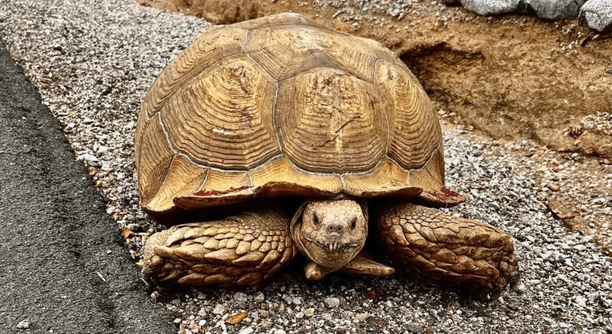
Is your sulcata tortoise constantly rubbing against rocks, leaving you wondering what might be causing this behavior? Understanding the reasons behind it can help ensure your tortoise stays comfortable and healthy in its environment.
Sulcata tortoises rub against rocks primarily to shed old skin and manage shell growth. This behavior can also be linked to itching, territorial marking, or seeking relief from discomfort. Ensuring proper humidity, diet, and habitat conditions can help minimize excessive rubbing.
Creating the right environment for your tortoise is key to maintaining its well-being. Understanding the factors influencing this behavior can help you provide the best care possible.
Common Reasons Your Sulcata Tortoise Rubs Against Rocks
Sulcata tortoises often rub against rocks to help with natural shedding. Their skin and shell grow continuously, and rough surfaces assist in removing dead layers. If your tortoise frequently does this, it might be seeking relief from irritation caused by dry skin or improper humidity levels. Another reason is territorial behavior—tortoises use physical movements to establish dominance or mark familiar areas. Sometimes, rubbing may be linked to an external irritation, such as mites or fungal infections, requiring closer inspection. Ensuring a well-balanced diet and proper hydration can help prevent unnecessary discomfort.
Providing a habitat that mimics a tortoise’s natural environment can reduce excessive rubbing. Flat rocks and logs allow them to maintain their shell health without overdoing it. If you notice persistent rubbing, check for any signs of injury or irritation.
Observing your tortoise’s daily activities can give insight into whether the rubbing is normal or a sign of discomfort. A few adjustments to its enclosure and routine can make a big difference.
How to Prevent Excessive Rubbing
Maintaining the right humidity level is essential for your tortoise’s skin and shell health. If the enclosure is too dry, it can lead to excessive rubbing.
A balanced diet rich in fiber and hydration plays a role in keeping your tortoise’s skin from becoming too dry. Leafy greens, grasses, and occasional fruits can provide the necessary moisture. Additionally, providing a soaking area allows your tortoise to stay hydrated and shed properly. Rocks and logs should be present but arranged in a way that prevents overuse. If rubbing persists, inspect your tortoise for any signs of irritation, injury, or infection.
If your tortoise continues rubbing excessively despite proper care, consider consulting a reptile veterinarian. They can check for any underlying health issues that may be causing discomfort. By making small adjustments to the habitat and monitoring behavior closely, you can help keep your tortoise comfortable and healthy.
Adjusting the Habitat for Comfort
Rocks and rough surfaces should be placed strategically to allow natural rubbing without causing excessive wear. Soft substrate, such as coconut coir or cypress mulch, can help maintain humidity and prevent dryness. Ensure there is enough space for your tortoise to move freely without constantly rubbing against hard surfaces.
A shallow soaking dish should always be available to help keep the skin hydrated. Regular misting can also improve humidity levels, especially in drier climates. If your tortoise continues rubbing excessively, consider adding more shaded areas and hiding spots. Overexposure to heat can lead to dry skin, increasing the urge to rub. Keeping a temperature gradient in the enclosure ensures they can regulate their body temperature properly. Proper UVB lighting is also necessary for shell health, as it supports calcium absorption and prevents shell deformities that may cause discomfort.
If rubbing is causing visible irritation, inspect your tortoise’s shell and skin closely. Look for cracks, scratches, or any signs of infection. If any issues are present, gentle cleaning with warm water can help. Avoid using harsh chemicals or soaps, as they can cause further irritation. If the problem persists despite environmental adjustments, seek guidance from a reptile veterinarian to rule out underlying health conditions.
Dietary Changes to Support Skin and Shell Health
Hydration is key to reducing excessive rubbing. Fresh, high-water-content vegetables such as cucumbers and bell peppers can help maintain skin moisture. Offering occasional fruits like watermelon in small amounts can also support hydration without disrupting their diet. Avoid feeding too many dry foods, as they can contribute to skin dryness.
Calcium and vitamin supplements are necessary for shell strength. Without them, the shell may develop irregularities, leading to discomfort and increased rubbing. Leafy greens such as collard greens and dandelion greens provide natural sources of calcium. A cuttlebone placed in the enclosure allows your tortoise to regulate its intake as needed. Providing high-fiber foods, such as Timothy hay, supports digestion and overall health.
If dietary changes do not improve the behavior, reassess the feeding routine. Ensure your tortoise receives a well-balanced mix of grasses, greens, and occasional vegetables. Avoid overfeeding protein-rich foods, as they can cause rapid growth, leading to shell deformities. A well-rounded diet helps maintain healthy skin and shell development, reducing the need for excessive rubbing.
Identifying Signs of Discomfort
If rubbing is excessive, check for signs of irritation, such as redness, flaky skin, or small cracks on the shell. Persistent rubbing could indicate dryness, external parasites, or an underlying health issue. A close inspection can help determine whether medical attention is necessary.
Sudden changes in behavior, such as loss of appetite or lethargy, may accompany excessive rubbing. If your tortoise seems restless or frequently scratches at its shell, there could be an issue with humidity levels or skin irritation. Addressing these concerns early can prevent further complications.
When to Seek Veterinary Care
If rubbing continues despite habitat and dietary adjustments, a veterinary visit may be necessary. A reptile specialist can check for infections, parasites, or shell deformities. Skin conditions, fungal infections, or vitamin deficiencies can also contribute to discomfort. Early intervention ensures proper treatment and prevents long-term health issues.
Final Considerations
Monitoring behavior regularly helps catch problems early. Small changes in diet, humidity, and enclosure setup can make a big difference in reducing excessive rubbing. Keeping a close eye on any persistent issues ensures your tortoise stays healthy and comfortable.
FAQ
Why is my sulcata tortoise rubbing against the rocks?
Sulcata tortoises often rub against rocks to help with shedding and manage shell growth. The rough texture of the rocks assists in removing old skin. They may also rub to mark their territory or relieve itching. However, excessive rubbing may indicate skin issues, dehydration, or an improperly set up habitat.
What can I do to stop my sulcata tortoise from rubbing so much?
Make sure your tortoise’s habitat has enough space, soft substrate like coconut coir or cypress mulch, and an appropriate humidity level. You should also provide a soaking dish and ensure hydration. Adjusting the enclosure’s temperature gradient can help as well.
Is rubbing a sign of illness in sulcata tortoises?
While rubbing can be a normal behavior, excessive rubbing might indicate irritation, infection, or discomfort. If your tortoise shows signs of redness, cracked or dry skin, or loss of appetite, it’s best to seek advice from a reptile vet.
How do I prevent skin irritation in my tortoise?
Ensure your tortoise’s habitat has proper humidity and temperature. A shallow soaking dish and misting can help prevent dry skin. Keep your tortoise’s enclosure clean, and make sure it has access to a varied diet that includes high-fiber greens and fresh vegetables.
Can I use any type of rock for my tortoise to rub against?
Not all rocks are ideal for rubbing. Sharp or jagged rocks can cause injury to your tortoise’s skin or shell. Choose smooth, flat rocks that provide texture without being too abrasive. It’s important to inspect the rocks regularly to make sure they are safe.
How often should I soak my sulcata tortoise?
Soaking your sulcata tortoise once or twice a week can help maintain proper hydration and assist with shedding. The water should be shallow enough for your tortoise to comfortably sit in, and the water temperature should be lukewarm to encourage relaxation.
What should I do if my tortoise’s shell has cracks from rubbing?
Cracks in the shell may result from dehydration or malnutrition. If your tortoise develops visible cracks, take it to a reptile vet for a professional diagnosis. You may need to adjust its diet, humidity, and ensure the shell remains clean and free of infection.
Can I use any plants for my tortoise’s diet?
Not all plants are safe for tortoises. Offer a variety of edible, safe greens such as dandelion, collard greens, and mustard greens. Avoid feeding toxic plants like azalea, ivy, and oleander. Be sure to thoroughly research any plants you want to add to their diet.
How can I tell if my sulcata tortoise is dehydrated?
Signs of dehydration in tortoises include sunken eyes, dry or flaky skin, and loss of appetite. Dehydration can also lead to increased rubbing as the tortoise tries to alleviate discomfort. Ensure your tortoise has constant access to clean water and maintains a proper diet.
How do I check my tortoise’s humidity levels?
Use a hygrometer to measure the humidity in your tortoise’s enclosure. Sulcata tortoises require a humidity level of around 40% to 60%. If the humidity is too low, your tortoise may become prone to skin problems and excessive rubbing. Regular misting can help keep humidity levels stable.
Is it normal for my tortoise to rub its face against things?
Yes, tortoises may rub their faces against surfaces as part of their routine shedding process. This behavior is usually harmless unless it becomes excessive or is paired with signs of discomfort, such as scratching or irritation around the face.
Can poor diet contribute to rubbing behavior?
Yes, an imbalanced diet can lead to skin and shell issues, causing your tortoise to rub more frequently. Ensure your tortoise gets enough fiber, calcium, and hydration. A diet high in fresh greens and low in protein helps maintain overall health and prevents skin dryness.
Should I be concerned if my tortoise rubs against objects during mating season?
Rubbing behavior during mating season can be a sign of territorial behavior or a way to attract potential mates. This type of rubbing is usually normal. However, if your tortoise shows signs of stress, injury, or discomfort, it’s best to evaluate its environment.
What are some signs that my tortoise’s rubbing behavior is abnormal?
If the rubbing becomes persistent or aggressive, results in bleeding, or is paired with other symptoms like lethargy or loss of appetite, it’s time to seek veterinary care. A sudden change in rubbing patterns could indicate an underlying health problem.
Can temperature affect my tortoise’s rubbing behavior?
Yes, improper temperature gradients can lead to discomfort. If the environment is too hot or too cold, your tortoise may rub to relieve stress. Ensure the enclosure has a warm side and a cooler side to allow your tortoise to regulate its body temperature.
Final Thoughts
Rubbing is a common behavior for sulcata tortoises, but it’s important to understand the reasons behind it. While they may rub against rocks or other surfaces as part of their normal shedding process or to mark territory, excessive rubbing can sometimes be a sign of discomfort. It’s essential to monitor your tortoise’s behavior closely to determine if the rubbing is part of its natural routine or if it may be trying to signal something isn’t right.
By maintaining the right habitat conditions, including proper humidity levels, temperature, and space, you can reduce the likelihood of rubbing due to environmental stress. Providing a variety of surfaces, soft substrates, and regular soaking can help your tortoise manage its shedding and prevent issues like skin irritation. If rubbing persists despite these adjustments, or if it’s accompanied by other signs like skin damage or a loss of appetite, seeking advice from a reptile vet is always the best course of action. Early intervention can prevent potential health problems and ensure your tortoise stays comfortable and healthy.
In the end, understanding your sulcata tortoise’s behavior is key to providing the best care. It’s important to stay vigilant and address any changes in behavior promptly. Whether it’s adjusting their environment, diet, or seeking veterinary help when needed, taking proactive steps will ensure your tortoise’s well-being and help them live a long, healthy life. Regular monitoring and a little effort on your part can make a big difference in their overall health.

Hello,
If you enjoy the content that we create, please consider saying a "Thank You!" by leaving a tip.
Every little bit helps us continue crafting quality advice that supports the health, happiness, and well-being of pets around the world, for pets of all shapes, sizes, and species.
We really appreciate the kindness and support that you show us!