
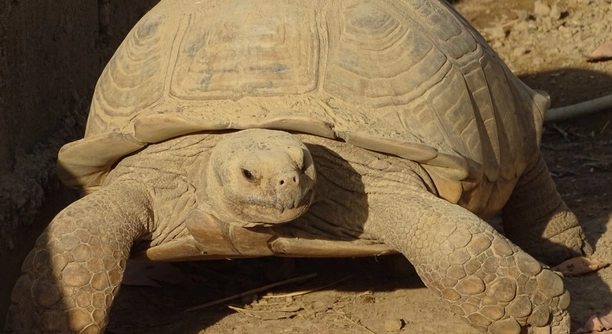
Are your Sulcata tortoise’s eating habits or energy levels changing in unexpected ways? These signs could indicate a parasitic infection, a common issue affecting their health. Understanding the types of parasites that impact them can help ensure proper care and prevention.
Sulcata tortoises can be affected by various parasites, including protozoa, nematodes, and mites. These parasites can cause digestive issues, weight loss, lethargy, and shell problems. Identifying and addressing infestations early is crucial to maintaining your tortoise’s well-being and preventing severe health complications.
Recognizing the symptoms of parasitic infections can make a significant difference in your tortoise’s health. Learning about these common parasites will help you take the necessary steps to protect and care for your pet.
Intestinal Protozoa in Sulcata Tortoises
Intestinal protozoa are microscopic parasites that can disrupt your Sulcata tortoise’s digestive system. These organisms, including flagellates and coccidia, invade the intestines, causing diarrhea, weight loss, and dehydration. Some protozoa exist naturally in a tortoise’s gut, but when their numbers increase due to stress or poor husbandry, they become harmful. Transmission occurs through contaminated food, water, or direct contact with infected feces. Left untreated, severe infections can weaken the immune system, making your tortoise more susceptible to other illnesses. Regular stool testing and proper habitat maintenance can help detect and prevent protozoan infections before they become serious.
A mild protozoan presence might not cause noticeable issues, but a rapid increase can lead to severe health problems. If your tortoise shows symptoms like loss of appetite or abnormal stool, a vet visit is essential. Medication and improved hygiene can help restore gut balance.
Keeping your tortoise’s enclosure clean and ensuring a nutritious diet reduces the risk of protozoan infections. A well-maintained habitat with fresh water and properly cleaned food dishes minimizes exposure. Regular fecal examinations by a veterinarian can detect infections early, allowing for timely treatment. By staying proactive, you can help your tortoise maintain a healthy digestive system.
Nematodes and Roundworms
Nematodes are common internal parasites that can live in a tortoise’s intestines, affecting digestion and nutrient absorption. These worms enter through contaminated food, water, or soil and can multiply quickly, leading to bloating, weakness, and irregular stool.
A high nematode load can cause intestinal blockages and chronic malnutrition. Tortoises with heavy infections may struggle with weight loss and reduced activity. These parasites can be diagnosed through fecal exams, where eggs or larvae are detected under a microscope. Proper treatment includes deworming medications prescribed by a veterinarian, along with thorough habitat cleaning.
Prevention is key when managing nematodes in Sulcata tortoises. Regular enclosure cleaning, removal of waste, and avoiding overcrowding help reduce exposure. Offering fresh, pesticide-free greens and clean water also minimizes infection risks. If a tortoise has recurring nematode problems, adjusting its environment and diet can support better gut health. With consistent care, these parasites can be effectively controlled.
Ticks and Mites
Ticks and mites latch onto a Sulcata tortoise’s skin, burrowing into crevices around the legs, neck, and shell. These external parasites feed on blood and can cause irritation, swelling, and infections. If left untreated, infestations may lead to anemia and overall weakness.
Mites are tiny and often difficult to spot until they multiply. They thrive in humid environments and hide under scales or in folds of skin. Ticks, on the other hand, are larger and attach themselves firmly. A tortoise with mites or ticks may scratch excessively, rub against objects, or show signs of restlessness. Checking your tortoise regularly, especially in hard-to-see areas, helps catch infestations early. Removing ticks carefully with tweezers and treating mites with vet-approved medications can help manage these pests. Cleaning the habitat and using reptile-safe disinfectants can prevent reinfestation.
Preventing ticks and mites starts with maintaining a clean enclosure and avoiding contact with wild reptiles. Quarantining new tortoises before introducing them to an existing habitat reduces the risk of spreading parasites. Soaking your tortoise in warm water can help dislodge mites, and regular health checks ensure that infestations do not go unnoticed. If problems persist, a veterinarian can recommend specialized treatments to keep your tortoise comfortable and parasite-free.
Flukes and Other Internal Parasites
Flukes are internal parasites that infect the bloodstream and organs, causing serious health problems over time. These flatworms enter a tortoise’s system through contaminated water or infected prey. They often go undetected until symptoms like lethargy, swelling, and respiratory distress appear. Severe infections can damage vital organs, leading to long-term complications.
Flukes primarily affect tortoises that have access to standing water or share enclosures with infected animals. Once inside the body, they multiply and interfere with normal organ function. Diagnosing fluke infections requires specialized testing, as they do not always show up in routine fecal exams. If flukes are suspected, a veterinarian may prescribe specific antiparasitic treatments. Keeping water sources clean and avoiding exposure to wild-caught feeder insects can help prevent infections. Proper hydration and a stress-free environment also support the tortoise’s immune system in fighting off parasites.
Tapeworms and Cestodes
Tapeworms attach to the intestinal walls of Sulcata tortoises, absorbing nutrients from their food. These parasites can grow long and may cause weight loss, lethargy, and digestive issues. Tortoises become infected by ingesting contaminated food, water, or intermediate hosts like insects. Regular fecal testing helps detect tapeworm infestations early.
Severe tapeworm infections can lead to malnutrition and stunted growth. If a tortoise shows signs of persistent weight loss or abnormal droppings, veterinary treatment is necessary. Deworming medications effectively eliminate tapeworms, but habitat cleanliness is crucial for preventing reinfection. Removing waste promptly and ensuring food sources are uncontaminated reduces the risk of parasite exposure.
Leeches in Sulcata Tortoises
Leeches attach to the skin of Sulcata tortoises, feeding on their blood and causing irritation. They are usually found in standing water or damp environments. A tortoise with leeches may appear restless and rub against surfaces. Removing leeches promptly and disinfecting the enclosure helps prevent further problems.
Botflies and Their Larvae
Botflies lay eggs on a tortoise’s skin, which hatch into larvae that burrow into the flesh. These larvae cause swelling, discomfort, and open wounds. If left untreated, infections can develop. Removing botfly larvae requires careful extraction, followed by wound cleaning. A dry, well-maintained habitat discourages botflies from laying eggs.
FAQ
How do Sulcata tortoises get parasites?
Sulcata tortoises can get parasites from contaminated food, water, or soil. Infected insects, wild plants, and direct contact with other reptiles also spread parasites. Poor enclosure hygiene increases the risk, allowing parasites to thrive in leftover waste or dirty water sources. Regular cleaning helps minimize exposure.
What are the signs of a parasite infection in a Sulcata tortoise?
Symptoms vary depending on the parasite but often include lethargy, weight loss, changes in appetite, diarrhea, and shell abnormalities. Some tortoises may have swelling, skin irritation, or visible worms in their feces. Severe cases can lead to weakness, dehydration, and secondary infections. Regular health checks help catch issues early.
Can parasites kill a Sulcata tortoise?
Yes, untreated parasite infections can weaken a tortoise’s immune system and lead to serious health problems. Internal parasites can cause malnutrition and organ damage, while external parasites like ticks and mites may cause anemia. Early detection and proper treatment significantly reduce the risks of long-term complications.
How do I prevent my Sulcata tortoise from getting parasites?
A clean environment is the best way to prevent parasites. Remove waste regularly, provide fresh water, and avoid feeding wild plants or insects that may carry parasites. Quarantining new tortoises before introducing them to an enclosure helps prevent spreading infections. Routine veterinary checkups are also recommended.
What should I do if I suspect my tortoise has parasites?
If you notice signs of parasites, consult a veterinarian for testing and treatment. A fecal exam can detect internal parasites, while a physical inspection may reveal external ones. Medication, habitat cleaning, and dietary support help restore health. Avoid using treatments not specifically designed for reptiles.
Can humans get parasites from Sulcata tortoises?
Some parasites found in tortoises can potentially affect humans, especially if proper hygiene is not maintained. Washing hands after handling your tortoise and keeping their habitat clean reduces the risk. Parasites that thrive in reptile-specific environments rarely infect humans but can still pose a health concern.
How often should I check my tortoise for parasites?
Checking your tortoise for parasites at least once a month is recommended. Look for changes in behavior, appetite, and waste consistency. External parasites may be visible on the skin or shell. A yearly vet checkup, including a fecal exam, can help catch infections before they become serious.
Do all Sulcata tortoises have parasites?
Most tortoises have some level of parasites in their system, but a healthy immune system keeps them under control. Problems arise when parasites multiply excessively due to poor hygiene, stress, or an unbalanced diet. Regular care and monitoring prevent infections from becoming severe.
What treatments are available for parasitic infections in Sulcata tortoises?
Veterinarians may prescribe deworming medications for internal parasites and topical treatments for external ones. In some cases, antibiotics are needed to treat secondary infections. Removing parasites from the habitat, improving hygiene, and adjusting diet help support recovery and prevent reinfection.
Can natural remedies help with parasites?
Some tortoise owners use natural remedies like pumpkin seeds or garlic, but these methods are not proven to be fully effective. Veterinary-prescribed treatments are the safest and most reliable option. Natural methods may help support digestive health but should not replace medical treatment.
Final Thoughts
Parasites are a common issue for Sulcata tortoises, but with proper care, they can be managed effectively. A clean habitat, a well-balanced diet, and regular health checks all play a role in keeping your tortoise safe from infections. Parasites can come from contaminated food, soil, or contact with other reptiles, so taking preventive measures is essential. Identifying symptoms early, such as weight loss, lethargy, or unusual feces, allows for timely treatment and better chances of recovery. While some parasites may exist in small amounts without causing harm, an infestation can weaken your tortoise and lead to serious health problems.
Veterinary care is crucial for diagnosing and treating parasite infections. Fecal exams can detect internal parasites, while physical inspections help identify external ones like mites or ticks. Medications prescribed by a vet are the most reliable way to eliminate harmful parasites. In addition to medical treatment, maintaining a clean environment and removing uneaten food or waste helps prevent reinfection. Quarantining new tortoises before introducing them to an existing enclosure is another important step in stopping the spread of parasites. Even if your tortoise appears healthy, regular vet checkups are recommended to catch any underlying issues before they become severe.
Preventing parasites requires a consistent routine of proper hygiene, quality nutrition, and careful monitoring of your tortoise’s behavior. Simple habits like washing hands after handling your tortoise, using clean water sources, and avoiding wild plants or insects as food can reduce the risk of infection. If you suspect a parasite problem, acting quickly is important to protect your tortoise’s health. With the right approach, you can create a safe and comfortable environment where your Sulcata tortoise can thrive.

Hello,
If you enjoy the content that we create, please consider saying a "Thank You!" by leaving a tip.
Every little bit helps us continue crafting quality advice that supports the health, happiness, and well-being of pets around the world, for pets of all shapes, sizes, and species.
We really appreciate the kindness and support that you show us!