
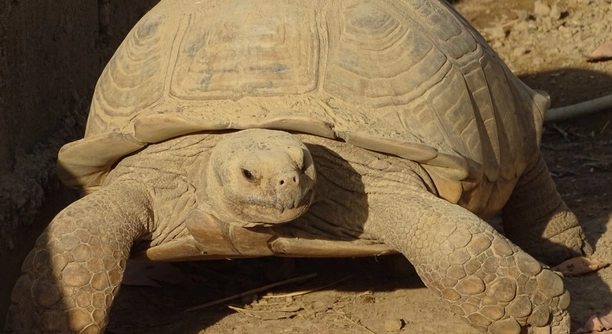
Sulcata tortoises are native to hot, dry climates, making them vulnerable to the cold. In regions with cooler temperatures, providing heat sources is essential for their health and comfort. This article outlines the best options.
To ensure your sulcata tortoise stays warm in colder climates, the most effective heat sources include ceramic heat emitters, heat lamps, under-tank heaters, radiant heat panels, heat tape, heating pads, and basking rocks. Each option has specific benefits depending on your setup.
Understanding these heat sources will help you maintain a comfortable and safe environment for your sulcata tortoise. Let’s explore each option to find the best one for your pet.
Ceramic Heat Emitters
Ceramic heat emitters are a great way to provide consistent, gentle warmth for your sulcata tortoise. These devices don’t emit light, which makes them ideal for nighttime use, ensuring your tortoise gets a full, uninterrupted rest. They come in various wattages, so you can choose one that best fits your enclosure size. The heat they generate is evenly distributed, making them an efficient way to maintain a steady temperature.
They’re reliable and durable, offering long-lasting heat without the risk of burning your pet. Ceramic emitters are also energy-efficient, saving you on electricity costs. The downside is that they do require a separate fixture to hold them, and the initial setup can be a little more costly compared to traditional bulbs.
In addition, ceramic heat emitters can be mounted above your tortoise’s enclosure or placed on a ceramic socket fixture. This flexibility allows you to customize the setup based on the specific needs of your pet’s habitat. Make sure to monitor the temperature carefully using a reliable thermometer to ensure the right balance.
Heat Lamps
Heat lamps are a popular option for sulcata tortoises because they provide both light and heat. These lamps are a simple and effective way to mimic the warm, natural environment of their native habitat. They typically come in incandescent or halogen options, which offer bright light and a warming effect. You can place the lamp above the tortoise’s basking area to create a heat gradient, allowing your pet to choose its ideal temperature.
One downside is that heat lamps can sometimes create hotspots that are too hot if not properly controlled. Be sure to place the lamp in a way that provides a range of temperatures. Monitoring the heat levels regularly with a thermometer is essential to avoid overheating. Also, while they offer both light and warmth, they are not ideal for nighttime heating, as they emit light that can disturb your tortoise’s sleep cycle.
Under-Tank Heaters
Under-tank heaters are a great way to maintain warmth at ground level. These heating pads are placed beneath the tank or enclosure floor and provide consistent heat without disturbing the environment. They’re easy to install and keep the substrate warm, which is crucial for sulcata tortoises.
These heaters typically work by radiating heat upward, gently warming the surface your tortoise walks on. They create a warm, comfortable area where your tortoise can burrow or rest. However, they may not be sufficient as the sole heat source. Pair them with another heat source for better temperature control.
Keep in mind that under-tank heaters can’t raise the ambient temperature in the entire enclosure. They’re best used as a supplementary heat source, combined with basking lights or ceramic emitters to create a full temperature gradient. Always make sure to use a thermostat to prevent overheating.
Radiant Heat Panels
Radiant heat panels are another efficient way to provide consistent warmth without the risks associated with lamps or bulbs. These panels are installed on the ceiling or sides of the enclosure, distributing heat evenly throughout the space. Unlike lamps, they do not emit light, making them suitable for night heating.
Radiant heat panels work by emitting infrared radiation, which heats objects and surfaces in the enclosure. This helps to create a warmer environment while keeping your tortoise comfortable. The heat they provide is gentle and more evenly distributed, preventing hot spots. Be sure to monitor the temperature closely using a thermometer, especially if you plan to use them as a primary heat source.
These panels are silent, energy-efficient, and can be controlled using a thermostat. However, they are best used in larger enclosures where heat distribution can be more challenging.
Heat Tape
Heat tape is a flexible and versatile heating option. It’s great for wrapping around the sides or floor of your tortoise’s enclosure. The tape provides consistent warmth and is often used in combination with other heating devices.
The tape is easy to install and can be customized to fit the size of the enclosure. It’s especially useful for creating warm zones where your tortoise likes to spend time. Make sure to use it with a thermostat to prevent overheating and ensure the tape stays at a safe temperature.
Though heat tape is effective, it requires careful placement to ensure it doesn’t overheat or create uneven heat. It’s best used in combination with other heating sources, such as a heat lamp, for a more balanced setup.
Heating Pads
Heating pads can be placed underneath or inside your tortoise’s enclosure to provide warmth. They’re ideal for smaller enclosures or areas where your tortoise likes to burrow. The heat generated from these pads mimics the warmth of the earth.
These pads are easy to install, energy-efficient, and come in different sizes. They work by gently radiating heat from below, creating a comfortable temperature for your tortoise to relax in. However, heating pads are best used in conjunction with other heat sources, as they cannot heat an entire enclosure on their own.
They are an affordable option for adding supplemental heat in colder months. Make sure to monitor the temperature with a thermostat to keep your tortoise comfortable.
FAQ
How do I know the right temperature for my sulcata tortoise’s enclosure?
The ideal temperature for a sulcata tortoise’s enclosure should range from 80°F to 95°F during the day, with a basking spot reaching 100°F to 105°F. At night, temperatures can drop to around 70°F to 75°F, but they should never fall below 65°F. Use a thermometer to regularly check the temperature in different areas of the enclosure to ensure it remains within these ranges.
Can I use a space heater for my sulcata tortoise’s enclosure?
While space heaters can provide ambient warmth in larger areas, they are not the most efficient or effective option for a sulcata tortoise’s enclosure. The heat might be inconsistent, and the risk of overheating is higher. It’s better to stick to more controlled heat sources like heat lamps, ceramic emitters, or under-tank heaters for better results.
Are heat lamps safe to use for sulcata tortoises?
Yes, heat lamps are safe as long as they are used correctly. However, they should not be your only heat source, especially at night. Ensure that the lamp is set up with proper distance to avoid direct burns and is controlled with a thermostat. Also, avoid leaving them on for too long to prevent overheating.
Can I use a heat rock for my sulcata tortoise?
Heat rocks are not recommended for sulcata tortoises because they can overheat and burn your tortoise if they don’t have proper temperature regulation. Tortoises can’t always sense excessive heat from rocks, making them prone to injury. It’s better to opt for other heat sources like heat lamps or ceramic heaters, which provide more controlled warmth.
How long should I leave the heat source on for my sulcata tortoise?
Heat sources should be on during the day to mimic natural sunlight and the heat they would get in the wild. Typically, you can leave the heat on for about 10-12 hours each day, depending on the setup. At night, reduce the temperature, but make sure it doesn’t drop below safe levels, typically between 70°F to 75°F.
Can I use a ceramic heat emitter 24/7 for my sulcata tortoise?
Yes, ceramic heat emitters can be used 24/7 because they provide a consistent, non-light-emitting heat source. They are ideal for nighttime heating since they don’t disturb your tortoise’s natural sleep cycle. However, you should always use a thermostat to control the temperature and avoid overheating.
What type of substrate should I use in a cold climate?
For cold climates, it’s important to use a substrate that helps retain heat while allowing for proper ventilation. Consider using a combination of soil, hay, and coconut coir, as these materials help trap heat and maintain humidity levels. Make sure the substrate is thick enough to provide warmth without becoming too moist.
Do sulcata tortoises need UVB lighting in cold climates?
Yes, sulcata tortoises need UVB lighting year-round, even in cold climates. UVB helps them produce vitamin D3, which is essential for calcium absorption and overall health. If your tortoise isn’t getting natural sunlight, it’s important to provide UVB lighting to prevent metabolic bone disease.
What is the best way to control the temperature in the enclosure?
The best way to control the temperature is by using a thermostat that connects to your heating devices. This ensures the temperature remains within the safe range for your tortoise. Use different heat sources to create a gradient, allowing your tortoise to choose where it feels most comfortable.
Are there any risks associated with using multiple heat sources?
Using multiple heat sources can be effective, but it’s important to monitor the overall temperature to avoid creating extreme heat zones. Make sure each device is controlled with a separate thermostat and that the overall environment remains balanced. This way, you can provide a warm basking area without overheating the entire enclosure.
How can I avoid overheating my sulcata tortoise at night?
To prevent overheating at night, consider using a ceramic heat emitter or radiant heat panel that doesn’t emit light. Set the temperature to a comfortable nighttime range of 70°F to 75°F, and use a thermostat to maintain this temperature. Avoid using heat lamps or bulbs during the night, as they can create unnecessary light and heat.
Do I need to adjust the temperature in the winter?
Yes, during winter, the ambient temperature in your home may drop, so you’ll need to make adjustments to your tortoise’s heating system. Ensure that the heat sources are properly functioning and increase the wattage or add extra heating elements if necessary. Always monitor the temperatures to ensure your tortoise stays comfortable.
Can my sulcata tortoise get too hot?
Yes, it’s possible for sulcata tortoises to get too hot. Overheating can lead to dehydration, stress, and even burns. To avoid this, always use a thermostat to regulate heat levels and ensure there is a temperature gradient in the enclosure. Never let the basking area exceed 105°F, and always provide a cooler area for your tortoise to retreat to.
How often should I check the temperature in the enclosure?
You should check the temperature in the enclosure at least twice a day, especially if you’re using multiple heat sources. Once in the morning and once before bedtime is ideal to ensure the temperature is within the correct range. This helps you catch any fluctuations and adjust the heat accordingly.
Is a thermostat necessary for heat sources?
Yes, using a thermostat is crucial when using heat sources like lamps, ceramic emitters, or heating pads. Without a thermostat, you risk overheating or creating uneven temperatures. A thermostat helps regulate the heat, keeping it within the safe range for your tortoise and preventing accidents.
Can I use a heated blanket for my sulcata tortoise?
Heated blankets are not suitable for sulcata tortoises. These blankets are not designed for reptile enclosures and can overheat quickly. Instead, stick to options like ceramic heat emitters or under-tank heaters designed specifically for reptiles. These options are safer and more effective for your tortoise’s well-being.
Final Thoughts
Providing the right heat sources for your sulcata tortoise is essential, especially in colder climates. Since these tortoises are native to warm environments, maintaining a comfortable temperature is necessary for their health and well-being. There are many options available, from ceramic heat emitters to heat lamps and under-tank heaters. Each option has its benefits and drawbacks, so it’s important to choose the right combination for your tortoise’s specific needs. By creating a proper heat gradient and monitoring temperatures closely, you can ensure your tortoise stays active and healthy year-round.
When setting up the enclosure, it’s vital to remember that no single heat source will provide everything your sulcata tortoise needs. The best approach is to combine different heat sources to create a well-balanced environment. Using a combination of heating devices, like a ceramic heat emitter for consistent warmth and a heat lamp for basking, will allow your tortoise to regulate its body temperature by moving to different areas of the enclosure. Always use a thermostat to control these heat sources and avoid overheating, which can be harmful to your tortoise.
Lastly, regular monitoring is key to ensuring the setup is working properly. Check the temperature in your tortoise’s enclosure regularly to make sure it stays within the safe range. Be prepared to make adjustments as needed, especially with changes in season or indoor temperature. Keeping an eye on your tortoise’s behavior can also help you determine if the temperature is right. If your tortoise is active, eating well, and seems comfortable, you’re on the right track. Providing a proper heating setup will keep your sulcata tortoise happy and healthy in colder climates.

Hello,
If you enjoy the content that we create, please consider saying a "Thank You!" by leaving a tip.
Every little bit helps us continue crafting quality advice that supports the health, happiness, and well-being of pets around the world, for pets of all shapes, sizes, and species.
We really appreciate the kindness and support that you show us!