
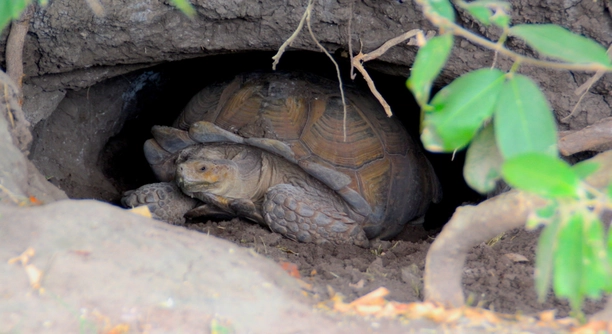
Is your sulcata tortoise looking thinner lately? Weight loss in these tortoises can be a sign that something is off with their diet, environment, or overall health. Identifying the cause early can help prevent further issues.
Sulcata tortoises can lose weight due to poor diet, dehydration, parasites, improper temperatures, illness, or stress. These factors impact their digestion, metabolism, and overall well-being, making it essential to address the root cause quickly and effectively.
Understanding why your sulcata tortoise is losing weight can help you take the right steps to restore its health and prevent future problems. Let’s explore the key reasons behind this change and what you can do about it.
Inadequate Diet and Nutrition
A sulcata tortoise needs a high-fiber, low-protein diet to stay healthy. Feeding too many fruits, vegetables, or foods with high protein can lead to weight loss and other health issues. Grass, hay, and calcium-rich greens should make up most of their diet.
Providing a diet high in fiber helps maintain proper digestion and supports steady growth. Without enough fiber, their digestive system struggles, and weight loss can follow. Consistent access to clean water is equally important to support digestion and hydration.
To improve their diet, feed them a variety of grasses and calcium-rich greens like dandelion leaves. Avoid fruits and protein-rich foods, as these can cause digestive problems. Supplement their diet with calcium to prevent shell deformities and support growth. Feeding consistent portions, along with proper UVB lighting for calcium absorption, helps maintain healthy weight and growth. Always check that their food is pesticide-free and fresh.
Temperature and Habitat Issues
Tortoises rely on external temperatures to regulate their metabolism. When temperatures are too low, digestion slows, leading to weight loss. Ensuring the habitat remains within the recommended range supports healthy digestion and weight maintenance.
Sulcata tortoises need a warm, stable environment. Basking areas should be around 100°F, while the cooler side of the enclosure can stay near 75°F. Nighttime temperatures shouldn’t drop too low, as this can disrupt digestion. Use high-quality thermometers and heaters to maintain consistency, especially during colder months.
The habitat setup also plays a key role. UVB lighting is essential for calcium absorption and healthy growth. Without it, tortoises may become lethargic and lose weight. Ensure their enclosure is spacious, clean, and free from drafts. Regularly check the substrate to prevent mold or parasites that could impact their health. A well-maintained habitat promotes consistent digestion, growth, and overall well-being.
Dehydration
Dehydration can cause rapid weight loss in sulcata tortoises. Without enough water, their bodies struggle to digest food and absorb nutrients, affecting their overall health. Regular access to fresh, clean water is essential for proper hydration and digestion.
Soaking your tortoise in shallow, lukewarm water a few times a week helps maintain hydration. Tortoises absorb water through their skin, which supports their digestive system. Ensure their water dish is large enough for soaking but shallow enough to prevent drowning. Dry environments or heat lamps without humidity control can contribute to dehydration. Adjust humidity levels to 40–60% to help maintain healthy hydration.
Dehydration also impacts shell health and energy levels. Signs like sunken eyes, dry skin, or lethargy may indicate dehydration. Increasing water intake through regular soaks and offering moisture-rich greens like cactus pads can support hydration. Monitoring hydration consistently helps prevent further complications.
Parasites and Infections
Internal parasites, like worms or protozoa, can cause weight loss by interfering with nutrient absorption. These parasites often enter through contaminated food, water, or substrate. Regular vet visits and fecal tests help detect and manage these issues early.
Infections can also affect digestion and overall health. Respiratory infections, common in improperly heated enclosures, lead to lethargy and reduced appetite. Shell infections, often caused by prolonged moisture or poor hygiene, may also result in weight loss. Keeping the enclosure clean and dry reduces infection risks.
Treatment typically involves medications prescribed by a reptile veterinarian. Avoid over-the-counter treatments, as these can worsen the condition. Regularly cleaning the habitat, providing a balanced diet, and observing behavior changes can help prevent future parasite or infection-related weight loss.
Stress and Environmental Changes
Stress can lead to weight loss in sulcata tortoises. Loud noises, frequent handling, or sudden habitat changes can cause anxiety. Maintaining a quiet, stable environment helps them feel safe and supports normal eating and digestion.
Improper social interactions can also cause stress. Tortoises are solitary animals and may become agitated if housed with others. Providing a calm, consistent space helps reduce stress-related weight loss.
Underlying Health Issues
Respiratory infections, metabolic bone disease, and organ dysfunction can all contribute to weight loss. Symptoms like nasal discharge, labored breathing, or soft shells may indicate a health problem. Immediate veterinary attention is necessary to diagnose and treat these conditions effectively.
Regular health check-ups and a proper diet can help prevent many of these issues. Early detection and intervention are essential to protecting your tortoise’s health and maintaining a stable weight.
Inconsistent Feeding Routine
Irregular feeding schedules can confuse a tortoise’s digestive system. Providing meals at consistent times each day helps regulate their metabolism and maintain a healthy weight. A predictable routine ensures better digestion and nutrient absorption.
FAQ
What should I feed my sulcata tortoise to prevent weight loss?
A sulcata tortoise’s diet should be high in fiber and low in protein. Offer grasses like timothy hay, along with calcium-rich greens such as dandelion leaves, clover, and kale. Avoid feeding them fruits or high-protein foods, as these can cause digestive issues and contribute to weight loss. Fresh, pesticide-free food is essential. Ensure they have constant access to clean water, and supplement their diet with calcium to support shell health. Always offer food in a clean, spacious area, and remove any uneaten food to prevent bacteria growth.
How can I tell if my sulcata tortoise is dehydrated?
Signs of dehydration in sulcata tortoises include sunken eyes, dry skin, and lethargy. If your tortoise is showing any of these signs, increase their hydration by soaking them in shallow, lukewarm water for 20–30 minutes a few times a week. Also, ensure their water dish is clean and large enough for soaking. Offering moisture-rich foods like cactus pads can also help hydrate them. Maintain proper humidity levels in their enclosure to prevent dehydration.
Is it normal for my sulcata tortoise to lose weight in winter?
Yes, sulcata tortoises naturally slow down during the colder months. They may eat less, and their metabolism slows, which can lead to slight weight loss. However, if the weight loss is more significant or accompanied by other symptoms, such as lethargy, difficulty breathing, or lack of appetite, it could indicate a health problem. Ensure your tortoise’s enclosure maintains proper temperature and humidity, and keep their basking area around 100°F. If weight loss persists, consult a veterinarian.
Can stress cause weight loss in sulcata tortoises?
Yes, stress can contribute to weight loss. Sulcata tortoises are sensitive to changes in their environment, loud noises, and handling. Moving them to a new enclosure, introducing new animals, or overcrowding can all increase stress levels. A tortoise’s digestion can slow down, or they may refuse food when stressed, leading to weight loss. Create a calm and quiet habitat for your tortoise, and avoid unnecessary handling to reduce stress. Ensure they have a spacious, comfortable environment with hiding spots to make them feel secure.
How can I prevent parasites in my sulcata tortoise?
To prevent parasites, keep your tortoise’s habitat clean and free of contamination. Remove uneaten food daily and regularly clean their water dish and enclosure. Providing fresh, pesticide-free food and water will also reduce the risk of parasites. Avoid overwatering their enclosure, as standing water can encourage the growth of harmful microorganisms. Regular veterinary check-ups, including fecal exams, are crucial for detecting parasites early. If your tortoise shows signs of illness, such as diarrhea, weight loss, or lack of appetite, consult a vet for proper treatment.
How do I know if my sulcata tortoise has an infection?
Infections, such as respiratory or shell infections, can lead to weight loss. Respiratory infections may cause nasal discharge, labored breathing, or lethargy. Shell infections often occur if the tortoise’s shell is wet or damaged. If you notice these symptoms, take your tortoise to a vet for an evaluation. A veterinarian will diagnose the infection and recommend appropriate treatment, which may include antibiotics or topical treatments. Regular cleaning of the habitat, keeping the enclosure dry, and ensuring proper humidity levels can help prevent infections.
What temperature should I keep my sulcata tortoise’s habitat?
Sulcata tortoises require a warm, stable environment. The basking area should be around 100°F, and the cooler side of the enclosure should be around 75°F. Maintaining a nighttime temperature of 65–75°F is important for their health. Use heat lamps or ceramic heaters to maintain warmth, and ensure that the temperature doesn’t fluctuate too much. Avoid placing the tortoise in direct drafts or extreme heat, as both can negatively affect their health and lead to weight loss. Invest in a reliable thermometer to monitor temperature accurately.
How often should I feed my sulcata tortoise?
Sulcata tortoises should be fed daily, providing a variety of high-fiber foods. Offer them a mixture of grasses, hay, and calcium-rich greens like dandelions. You can also feed them other safe, leafy greens such as collard greens or turnip greens. While it’s important to provide fresh food daily, avoid overfeeding them. If your tortoise has trouble finishing its food, remove the uneaten portion to prevent spoilage and bacteria growth. Be mindful of the food’s quality and variety to support their health and prevent weight loss.
Can weight loss in sulcata tortoises be reversed?
Yes, weight loss can often be reversed if the underlying cause is addressed promptly. If the weight loss is due to poor diet, dehydration, or stress, adjusting their environment, diet, and routine can help them regain weight. If the cause is more serious, like parasites or infections, proper veterinary treatment is required. Regular health check-ups are vital in monitoring your tortoise’s condition and addressing any issues early on. Make sure to follow the vet’s recommendations for diet, hydration, and any prescribed treatments. With proper care, your sulcata tortoise can return to a healthy weight.
Final Thoughts
Taking care of a sulcata tortoise requires attention to detail and understanding their specific needs. Weight loss is a common concern, and it can happen for various reasons, from diet and hydration issues to environmental factors like temperature or stress. It’s important to observe your tortoise closely, noting any changes in their behavior or appearance. By identifying these issues early, you can make adjustments to their care routine and avoid further health complications.
Maintaining a proper habitat is key to ensuring your tortoise stays healthy. Providing them with a warm, stable environment, including a basking area, appropriate humidity, and proper lighting, is essential. A clean and spacious enclosure also helps keep your tortoise comfortable and reduces stress. Additionally, offering a balanced diet with plenty of high-fiber grasses and avoiding overfeeding fruits or protein-rich foods will help prevent weight loss. Don’t forget to provide clean water and make sure they stay hydrated by offering water dishes and soaking them regularly.
Lastly, regular check-ups with a veterinarian are crucial for monitoring your tortoise’s health. If your sulcata tortoise starts losing weight or shows other signs of illness, it’s best to consult a vet. With the right care and attention, most weight loss issues can be resolved, and your tortoise can live a long, healthy life. By ensuring they are in the right environment, feeding them properly, and staying alert to any health problems, you’ll be able to keep your sulcata tortoise happy and thriving.

Hello,
If you enjoy the content that we create, please consider saying a "Thank You!" by leaving a tip.
Every little bit helps us continue crafting quality advice that supports the health, happiness, and well-being of pets around the world, for pets of all shapes, sizes, and species.
We really appreciate the kindness and support that you show us!