
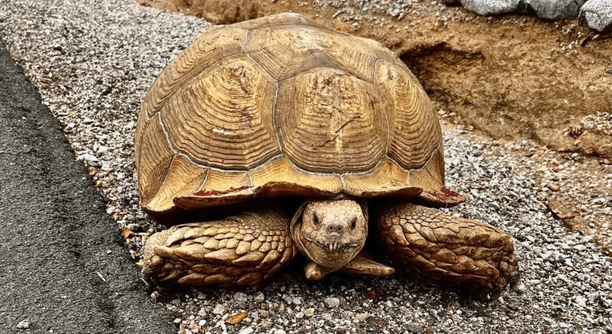
Is your sulcata tortoise looking a bit rounder than usual? Excess weight can impact their health, making it essential to recognize the signs early. Learning what to watch for can help keep your tortoise happy and healthy.
Sulcata tortoises become overweight when their calorie intake exceeds their activity level. Signs include a swollen neck, difficulty retracting limbs, and visible fat pads. A proper diet and regular activity are crucial for preventing obesity.
Recognizing these signs early can help you make the necessary changes to protect your tortoise’s well-being and longevity.
7 Signs Your Sulcata Tortoise Is Overweight
A sulcata tortoise that carries extra weight may face health challenges, including joint stress and organ strain. One clear sign is the appearance of fat pads around the legs and neck. These pads can make it harder for the tortoise to retract its limbs. Additionally, difficulty walking, labored breathing, and decreased activity levels may signal excess weight. Pay close attention to their shell as well—an overweight tortoise might develop an uneven or raised shell. Monitoring these physical and behavioral changes will help you identify if your sulcata is overweight.
Excess weight in sulcata tortoises can stem from overfeeding, feeding improper foods, or lack of activity. A diet high in sugars and proteins can cause fat deposits to build up over time.
By providing a high-fiber, low-protein diet and ensuring your tortoise has space to roam, you can support a healthy weight and prevent obesity-related health issues.
Why Weight Management Is Important for Sulcata Tortoises
Maintaining a healthy weight helps your sulcata tortoise avoid issues like joint pain and respiratory difficulties. When tortoises carry too much weight, their skeletal structure endures extra stress, which can lead to long-term mobility problems.
Sulcata tortoises are grazing herbivores that need a consistent diet of grasses and hay to stay healthy. Overfeeding with fruits or protein-rich foods can cause rapid weight gain. Additionally, a sedentary lifestyle contributes to fat buildup, which affects both muscle tone and organ function. Ensuring they have an outdoor space to explore and exercise is essential. Regular activity keeps their muscles engaged and supports their metabolism.
Regular health checks can also help track their weight. If you notice persistent fat pads or sluggish behavior, consider consulting a veterinarian experienced with reptiles. A balanced diet and an active environment can go a long way in promoting a healthy life for your tortoise.
Common Causes of Weight Gain in Sulcata Tortoises
Overfeeding is one of the most common reasons sulcata tortoises become overweight. Offering large portions or frequent snacks can quickly lead to excessive fat deposits, especially when combined with foods high in sugar or protein.
A diet lacking proper nutrition also contributes to weight gain. Sulcata tortoises thrive on grasses and hay, but when they’re given fruits, vegetables, or high-protein foods, their bodies store more fat. Poor dietary choices can also impact their digestive health, slowing down metabolism. Consistent portion control and a well-balanced diet help maintain a healthy weight.
Lack of exercise is another significant factor. Tortoises need ample space to roam, dig, and graze. When confined to small enclosures or left without physical stimulation, they become less active, and weight gain follows. Providing a safe, spacious area encourages movement and helps manage their weight naturally.
How to Help Your Sulcata Tortoise Lose Weight
Adjusting their diet is the first step to helping a sulcata tortoise lose weight. Reduce sugary and high-protein foods while increasing fibrous options like grass and hay. Consistency is key, and gradual changes will prevent digestive issues during the transition.
Exercise plays a critical role in weight management. Allowing your tortoise to explore an outdoor space encourages natural behaviors like walking, digging, and grazing. Movement strengthens their muscles, supports their metabolism, and helps burn excess fat. Providing obstacles, such as rocks and logs, can make exercise more engaging.
Regular weight checks can also track progress. Weighing your tortoise monthly helps you monitor changes and adjust their care if needed. Consulting a reptile veterinarian ensures any underlying health issues are addressed, supporting long-term health and well-being.
Signs Your Sulcata Tortoise Is Too Fat
Fat pads around the legs and neck are a clear sign of excess weight. When these areas appear swollen or bulging, it indicates stored fat. Overweight tortoises may also struggle to retract their limbs fully into their shells.
Labored breathing and reduced activity are other signs to watch for. If your tortoise spends more time resting or breathing heavily without exertion, weight might be the issue. Observing these physical and behavioral changes can help you act early.
Health Risks of Obesity in Sulcata Tortoises
Obesity in sulcata tortoises can cause respiratory issues, joint stress, and liver damage. Extra weight restricts lung expansion, making breathing difficult. The added strain on joints affects mobility and may lead to long-term skeletal problems. Monitoring diet and activity levels helps reduce these health risks significantly.
When to Seek Veterinary Help
Consult a veterinarian if you notice persistent fat pads, sluggish behavior, or breathing difficulties. A reptile specialist can assess their condition and provide guidance for safe, gradual weight loss. Regular check-ups also help prevent complications linked to obesity.
How can I tell if my sulcata tortoise is overweight?
An overweight sulcata tortoise often has visible fat pads around its legs, neck, and eyes. These pads may appear puffy and bulging. Another sign is difficulty retracting limbs into the shell. If the tortoise struggles to move or breathes heavily when at rest, weight might be the issue. Additionally, an uneven or domed shell may indicate excessive growth due to overfeeding. Monitoring their activity levels, body shape, and breathing patterns can help you determine if your tortoise is carrying extra weight.
What causes weight gain in sulcata tortoises?
Weight gain usually results from overfeeding, a poor diet, or lack of exercise. Feeding high-calorie foods like fruits or protein-rich items can cause rapid fat buildup. Sulcata tortoises need a diet primarily of grasses and hay to maintain a healthy weight. Additionally, limited movement in a small enclosure prevents natural activity. Without opportunities to walk, dig, and graze, they store excess calories as fat. Ensuring they eat the right foods and get daily exercise helps prevent weight gain.
How much should I feed my sulcata tortoise?
Sulcata tortoises should primarily eat grasses, hay, and leafy greens. Their daily food intake should equal about 5% of their body weight. Avoid high-sugar foods like fruits and vegetables, as these contribute to fat deposits. Younger tortoises may need more frequent feedings, while adults typically eat once a day. Monitoring portion sizes and adjusting based on activity levels can help maintain a balanced weight.
Can a sulcata tortoise lose weight easily?
Tortoises can lose weight, but the process is slow and requires consistency. Gradual dietary adjustments are necessary to avoid digestive issues. Reducing high-calorie foods and encouraging exercise by providing space to explore can help. Regular weight checks will track progress, but significant changes take time.
What kind of exercise does my sulcata tortoise need?
Sulcata tortoises need space to roam, dig, and forage. Outdoor enclosures with natural terrain offer the best opportunities for movement. Adding obstacles like logs or rocks encourages climbing and walking, which helps burn calories. The goal is to mimic their natural grazing behaviors, promoting regular activity.
Is an uneven shell a sign of obesity?
An uneven or domed shell can be a sign of improper diet, including excess protein. While weight gain may contribute to irregular shell growth, it is often linked to metabolic bone disease caused by calcium imbalances. If you notice an uneven shell, adjust their diet and seek veterinary advice.
How often should I weigh my sulcata tortoise?
Monthly weigh-ins are ideal for tracking weight changes. Use a reliable scale and record the results to monitor trends. Consistent weight gain without dietary changes could indicate a problem. Regular measurements help identify issues early and guide necessary adjustments in care.
What should I do if my tortoise is overweight?
If your tortoise is overweight, gradually reduce calorie-dense foods and increase grass and hay intake. Provide daily opportunities for exercise and monitor weight regularly. Consult a veterinarian for a tailored weight management plan if changes don’t show improvement within a few months.
Are treats safe for sulcata tortoises?
Treats should be given rarely and only in small amounts. Fruits, for example, are high in sugar and should be limited. Safe treat options include occasional cactus pads or hibiscus flowers. Always prioritize high-fiber foods to support healthy digestion and weight management.
How long does it take for a sulcata tortoise to lose weight?
Weight loss in sulcata tortoises can take several months, depending on the severity of obesity. A gradual reduction of fat deposits is safest to avoid stressing their body. Consistent diet adjustments, exercise, and regular weight monitoring will help achieve long-term success.
Final Thoughts
Maintaining a healthy weight is essential for your sulcata tortoise’s well-being. Excess weight can lead to serious health problems like joint stress, respiratory issues, and liver damage. By recognizing the signs of obesity early—such as fat pads, reduced activity, and breathing difficulties—you can take steps to address the problem before it worsens. Simple changes to diet and exercise routines can go a long way in preventing long-term complications. A consistent routine helps your tortoise stay active, healthy, and comfortable in its environment.
A proper diet is the foundation of weight management for sulcata tortoises. Grasses and hay should make up the majority of their meals, while fruits and vegetables should only be occasional treats. High-protein foods and sugary items can lead to rapid weight gain and should be avoided. Portion control also plays an important role. Feeding too much, even with healthy foods, can cause weight issues. Keeping track of your tortoise’s food intake, combined with regular weigh-ins, will help maintain a stable, healthy weight over time.
Exercise is just as important as diet. Sulcata tortoises need plenty of space to walk, dig, and explore, as these activities mimic their natural behavior in the wild. A spacious, outdoor enclosure encourages movement, strengthens muscles, and helps regulate weight. Providing obstacles like rocks, logs, or slight inclines adds variety and makes exercise more engaging. Regularly observing your tortoise’s activity level and physical appearance allows you to catch potential weight problems early. With the right balance of diet, exercise, and care, your sulcata tortoise can enjoy a long, healthy life.

Hello,
If you enjoy the content that we create, please consider saying a "Thank You!" by leaving a tip.
Every little bit helps us continue crafting quality advice that supports the health, happiness, and well-being of pets around the world, for pets of all shapes, sizes, and species.
We really appreciate the kindness and support that you show us!