
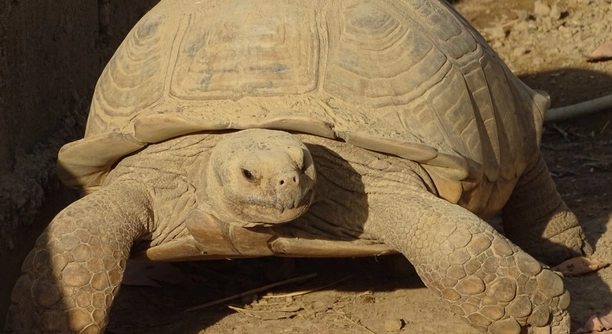
Introducing two Sulcata tortoises to each other can seem tricky, but with the right approach, it is possible for them to coexist peacefully. Whether you’re adding a new tortoise or just concerned about aggression, understanding their behavior is key.
To prevent fighting when introducing two Sulcata tortoises, start by slowly acclimating them to each other’s scent and presence. Gradually increase their interactions in a neutral space to avoid territorial behavior, ensuring both tortoises feel comfortable.
Managing their initial introduction properly will help prevent unnecessary stress. Taking the time to follow a few tips can make a big difference in their relationship.
Understanding Sulcata Tortoises’ Behavior
Sulcata tortoises are territorial creatures, which can make introducing them to each other challenging. Their natural instinct is to claim space, and they may not take kindly to another tortoise in their territory. This is why it’s important to approach the introduction gradually. First, make sure each tortoise has its own space for feeding, sleeping, and basking. Keeping them in separate enclosures for a while will allow them to get used to the scent of the other. Once they are familiar with each other’s presence, you can begin supervised interactions.
Before you introduce them, check for signs of aggression or stress in either tortoise. Aggression can include hissing, head bobbing, or chasing. If you notice these behaviors, it’s best to wait and try again later. Allowing the tortoises to adjust at their own pace will help reduce the chances of a fight.
It’s also worth noting that Sulcata tortoises are solitary by nature and might prefer being alone, so patience is key. If they seem too stressed, give them more time to adjust. Rushing the process can lead to unwanted aggression.
Choosing the Right Time and Place
Timing and location matter when introducing your tortoises. You should choose a neutral space, one neither tortoise has claimed as its own. This neutral ground reduces the risk of territorial aggression. A large enough area will help them avoid feeling crowded or threatened.
Place the tortoises in the neutral area for a short, supervised period at first. Watch closely for signs of aggression, such as ramming or biting. If they seem calm, gradually extend their time together. Keep in mind that introductions may not be successful right away, and it may take several attempts.
Providing a large, open space for them to explore together reduces stress. Offering them plenty of hiding spots or barriers will allow them to retreat if they feel threatened. With enough time and care, they may begin to tolerate each other. Never rush the process, as this can lead to aggression or anxiety. Each tortoise has its own pace, so patience is essential.
Gradual Acclimation
Start by swapping their bedding or using a towel to transfer their scent between the two tortoises. This allows them to get used to each other’s presence before any physical interaction. The scent will help them become familiar and less likely to see each other as a threat.
Let them explore the scent of each other over a few days. This slow exposure reduces the chance of aggressive behavior when they finally meet face-to-face. If you have the time, consider switching their enclosures every few days to make the process even smoother. This gives them plenty of opportunity to adjust to the new smells.
Once the scent exchange has been successful, try short, supervised sessions in a neutral space. Don’t rush the process, and monitor their reactions carefully. Keep the interactions brief at first. Over time, they will begin to associate each other with calm and neutral experiences.
Monitoring Their Behavior
Watch closely for signs of aggression during the introduction process. Head bobbing, biting, or chasing are all common signs that the tortoises are not comfortable. If you observe these behaviors, separate them immediately and give them a break. It’s important not to force them to interact.
The behavior of Sulcata tortoises can vary widely, so it’s important to assess their reactions individually. Some tortoises may act defensively when meeting another for the first time, while others may show more curiosity. Even though it’s natural for them to be cautious, their comfort level will increase over time with proper handling.
If things aren’t going smoothly, it may take multiple attempts before they’re ready to coexist. Just because an interaction didn’t work the first time doesn’t mean it won’t work later. Patience is key in making this a successful introduction.
Separate Feeding Areas
During the introduction phase, ensure each tortoise has its own feeding area. Sulcata tortoises can become possessive of their food, which may lead to aggression. Providing separate spaces will help avoid competition and make the process less stressful for both tortoises.
Feeding them in separate areas also gives them a chance to eat without worrying about the other tortoise. This reduces the risk of one tortoise becoming dominant over the other, which can lead to fighting. Giving each tortoise a peaceful environment to eat in promotes a calmer introduction.
Provide Hiding Spaces
Hiding spots are crucial to the success of the introduction. Sulcata tortoises need a place to retreat to if they feel threatened or overwhelmed. Providing multiple hiding spots allows each tortoise to find shelter if needed. This helps reduce stress during interactions.
By offering a variety of hiding places, you ensure that the tortoises won’t feel trapped or overly exposed. When one feels threatened, it can retreat into the shelter, avoiding direct confrontation. It also allows them to feel more secure while adjusting to their new social environment.
FAQ
How long should I wait before introducing two Sulcata tortoises?
There isn’t a fixed timeline, as it depends on the individual tortoises. However, a few weeks of separate acclimation can help. Start by allowing them to get used to each other’s scent and presence for about 10 to 14 days. This process will help reduce stress when they are finally introduced.
If the tortoises show signs of aggression, such as biting or excessive chasing, take a step back and give them more time to adjust. Sometimes, waiting a month or longer between interactions may be necessary. Keep monitoring their behavior closely during each introduction attempt.
What should I do if they fight?
If the tortoises begin fighting, separate them immediately. Never let the fight continue, as it can lead to serious injury. Place each tortoise in a separate enclosure and give them time to calm down. Afterward, revisit the introduction process at a slower pace.
Try reintroducing them only after a few days of separation. Watch them carefully and start with short sessions. If aggression persists, it may be helpful to re-evaluate the compatibility of the tortoises. In some cases, it may take several weeks for them to get along.
Can Sulcata tortoises live together permanently?
Sulcata tortoises can live together permanently, but only if they get along. It’s important to continue observing their behavior after the initial introduction. Some tortoises may tolerate each other well, while others may always prefer their own space.
If they continue to show signs of aggression, it might be necessary to house them separately long-term. Even if they coexist peacefully for some time, it’s essential to remain vigilant. Occasionally, conflicts may arise, especially as they mature. Always ensure they both have enough space to avoid territorial issues.
What if one tortoise is much bigger than the other?
Size differences between two Sulcata tortoises can create challenges. A smaller tortoise may feel threatened by a larger one, leading to stress or aggression. If there’s a significant size gap, take extra care during introductions. Make sure the smaller tortoise has enough space to retreat if necessary.
The larger tortoise may become dominant, which can cause issues if not monitored closely. Provide plenty of hiding spots and space to prevent the bigger tortoise from overwhelming the smaller one. It’s best to supervise their interactions carefully and separate them if any signs of aggression arise.
Can I introduce a baby Sulcata tortoise to an adult?
Introducing a baby Sulcata tortoise to an adult is possible but requires extra caution. The adult may not be as tolerant of the baby, and there’s a risk that the adult could harm the younger tortoise. It’s essential to monitor their behavior closely.
Start by allowing the baby and adult to get used to each other’s scent for a few days before a face-to-face introduction. Keep the initial sessions short and closely supervised. The baby should have enough space to retreat if the adult becomes too aggressive. In some cases, it might be best to wait until the baby is larger before introducing them.
What if the tortoises are constantly fighting?
Constant fighting indicates that the tortoises are not ready to coexist. If there’s persistent aggression, you may need to separate them permanently. Forced cohabitation could lead to stress and injury. It’s important to be patient and assess whether they will ever be able to live together peacefully.
Some tortoises are more territorial, while others may not get along due to personality differences. If fighting continues despite multiple attempts, providing separate enclosures and giving them their own space is the best solution.
How can I prevent territorial issues between two Sulcata tortoises?
To prevent territorial issues, ensure that both tortoises have plenty of space. This means not only having separate feeding areas but also providing large enclosures where they can move around without feeling crowded. Sulcata tortoises need a lot of room, so a cramped environment can lead to frustration and aggression.
Having multiple basking spots, shelters, and hiding spaces will also help reduce territorial behavior. Each tortoise should feel secure in its environment and not feel the need to defend its territory. If they have a safe place to retreat to, they are less likely to fight. Keep an eye on their behavior and adjust the space or setup as needed.
Final Thoughts
Introducing two Sulcata tortoises can take time, patience, and careful observation. While it’s possible for them to live together peacefully, it’s important to remember that every tortoise is different. Some may get along right away, while others need more time or may never be comfortable coexisting. It’s essential to be realistic about their personalities and preferences. Trying to force an introduction too quickly or ignoring signs of stress can lead to more harm than good. Always approach the process with care and respect for their individual needs.
As you move forward with introducing your tortoises, it’s crucial to provide enough space for both animals. Sulcata tortoises need room to roam and feel comfortable. Giving them large enclosures, multiple basking spots, and hiding places is important for reducing territorial behavior. If one tortoise feels crowded or threatened, it can lead to stress or aggression. The more space they have, the less likely they are to view each other as competitors. Monitoring their behavior is key to ensuring they are adjusting well to their new situation.
If, after multiple attempts, the tortoises continue to show signs of aggression, it’s okay to accept that they may not be able to live together. Some tortoises simply prefer their own space and may not get along with others. In these cases, providing separate enclosures is the best solution for their well-being. The priority should always be their health and happiness. By understanding their behavior and needs, you can make the right decisions to ensure both tortoises have a safe and comfortable environment.

Hello,
If you enjoy the content that we create, please consider saying a "Thank You!" by leaving a tip.
Every little bit helps us continue crafting quality advice that supports the health, happiness, and well-being of pets around the world, for pets of all shapes, sizes, and species.
We really appreciate the kindness and support that you show us!