
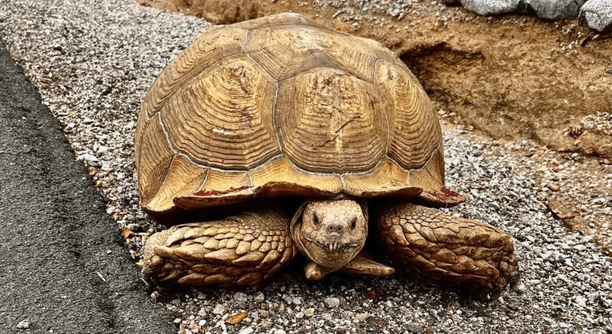
A slow-growing sulcata tortoise can be a cause for concern. As a pet owner, it’s important to monitor their growth to ensure they’re developing healthily. Recognizing the early signs of slow growth can help prevent long-term health issues.
Several factors contribute to a sulcata tortoise growing slowly, including improper diet, insufficient sunlight, or inadequate enclosure temperature. These factors can significantly impact their growth and overall health, requiring immediate attention to correct the problem.
By understanding the potential causes, you can create a better environment for your tortoise. This knowledge can help ensure your sulcata grows strong and healthy.
1. Improper Diet and Nutrition
A healthy diet is essential for the growth of your sulcata tortoise. A lack of proper nutrition can slow down their growth significantly. These tortoises require a diet high in fiber, low in protein, and rich in calcium. Without the right balance, their development can be stunted, leading to long-term health issues. Make sure to provide fresh grass, weeds, and some leafy greens. Avoid feeding them high-protein foods like commercial tortoise pellets too frequently.
It’s also important to provide calcium and vitamin D3 to ensure proper bone development. Sulcata tortoises are herbivores, and they need these nutrients to stay strong and grow at the right pace.
If you’re unsure whether your tortoise is getting the right nutrients, consult a veterinarian who specializes in reptiles. They can guide you on proper diet and supplementation to promote healthy growth and prevent any deficiencies that could affect your tortoise’s development.
2. Inadequate Sunlight Exposure
Sulcata tortoises need plenty of sunlight for proper growth. Without enough UVB rays, they may struggle to absorb the calcium needed for bone growth, which can hinder their development. Ensure that your tortoise has access to natural sunlight or invest in a good UVB light if they’re kept indoors.
UVB light is crucial for their metabolic processes. It helps them synthesize vitamin D3, which in turn promotes calcium absorption. If your tortoise is kept in an enclosure with limited sunlight exposure, you may notice slower growth, weaker bones, or other health issues related to calcium deficiency. Make sure to keep the light source within a proper distance from your tortoise and change bulbs regularly to maintain effectiveness.
3. Incorrect Temperature in Their Habitat
A comfortable and consistent temperature is another factor that plays a significant role in your tortoise’s growth. Sulcata tortoises need a basking spot that reaches 95–100°F and a cooler area that’s around 75–85°F. Without these temperature gradients, your tortoise may not feel comfortable enough to eat, digest, or grow properly.
Keeping the temperature in check is essential for stimulating their metabolism. If the temperature is too low, your tortoise will become sluggish, eating less and not growing as quickly. If it’s too high, they might overheat and experience stress, which can also impact their development.
Regularly monitor the temperature with a reliable thermometer, especially in winter when environmental conditions change. If you’re using heating elements in the enclosure, be sure they’re working effectively and not causing extreme hot spots that could harm your tortoise.
4. Insufficient Space and Activity
Tortoises need room to roam. If your sulcata tortoise’s enclosure is too small, it might not be able to move around enough to stimulate growth. When they’re confined to a small area, they may not get the exercise they need, which can affect both their physical and mental health.
A larger enclosure encourages natural behaviors, such as digging, walking, and foraging. This exercise is vital for maintaining muscle strength and overall health. Plus, a bigger space allows for better temperature and humidity regulation, which are important for your tortoise’s well-being.
If your tortoise is restricted to a small area, they could experience stunted growth. Make sure the enclosure is large enough to allow them to move freely. Regularly check that the space is safe and comfortable, with enough enrichment to keep your tortoise active and engaged.
5. Overfeeding or Underfeeding
Overfeeding or underfeeding your sulcata tortoise can significantly affect its growth rate. If you feed too much, it can cause obesity and other health issues. On the other hand, underfeeding can lead to malnutrition and slow growth. Ensure your tortoise gets the right amount of food based on its size and age.
Providing the right quantity of food is key to maintaining healthy growth. A young sulcata tortoise may need more frequent feeding, but this should still be balanced. It’s important to adjust the portion size as your tortoise grows. Overfeeding can lead to digestive issues, while underfeeding can cause weight loss and stunted development.
Keeping track of feeding habits and adjusting portions will help prevent both under and overfeeding. Be mindful of your tortoise’s behavior around meal times; if they seem uninterested in food or constantly overeat, it may be time to review their diet and portions.
6. Stress or Environmental Factors
Stress from environmental factors can have a serious impact on your tortoise’s growth. Sudden changes in temperature, noise, or habitat changes can stress them out, leading to slower growth and potential health issues. A calm and consistent environment is essential for proper development.
Tortoises are sensitive to their surroundings, and changes in lighting, temperature, or even the presence of other pets can stress them out. A stressed sulcata tortoise may hide more often, eat less, or show less interest in activities. It’s crucial to create a stable, quiet environment to help your tortoise thrive.
Make sure their enclosure is in a peaceful area, away from loud noises or other pets that could cause distress. Regularly assess their environment and try to minimize any potential stress factors. This will help them grow at the right pace and maintain good health.
7. Health Issues or Illnesses
If your sulcata tortoise is growing slowly, it could be due to an underlying health issue. Illnesses such as respiratory infections or parasites can impact their growth rate. Always keep an eye on their behavior and look for signs of sickness like lack of appetite or lethargy.
Regular veterinary check-ups are essential to ensure your tortoise is healthy. A vet can help detect any hidden health issues before they become serious. By addressing illnesses early, you can prevent further slowdowns in growth and keep your tortoise on the right track.
8. Genetics and Species Variations
Genetics also play a role in how quickly your sulcata tortoise grows. Some tortoises naturally grow slower due to their genetic makeup. While this is less common, it’s still important to consider when observing growth patterns.
Tortoises from different regions or with varying lineage might have different growth rates, even under similar conditions. Understanding your tortoise’s specific background can help set realistic expectations. Be patient and focus on providing the best care possible to help them thrive, regardless of their growth speed.
9. Age and Growth Stages
The growth rate of your tortoise can also be influenced by its age. Young tortoises grow quickly, but growth tends to slow as they mature. This is completely normal, and it’s important to not expect rapid growth in adult tortoises.
As they reach adulthood, sulcata tortoises’ growth rate naturally decreases. While they may not grow as fast as they did during their younger years, this doesn’t indicate a problem. Their bodies are focusing more on maintaining health than growing larger at this stage. Be sure to continue providing proper care throughout their life to ensure a long and healthy journey ahead.
FAQ
How fast should my sulcata tortoise grow?
The growth rate of a sulcata tortoise depends on its age, environment, and diet. Typically, young sulcatas grow rapidly during the first few years, gaining up to 2-3 inches in shell length annually. However, growth slows down significantly as they mature. For healthy growth, provide a proper diet, adequate sunlight, and a spacious environment.
What are the signs of an unhealthy sulcata tortoise?
Signs of an unhealthy sulcata tortoise include lack of appetite, lethargy, respiratory issues (wheezing, open-mouth breathing), and abnormal shell growth (soft spots or deformities). A sudden decline in activity or behavior can also indicate a health problem. If you notice these signs, it’s important to consult a veterinarian specializing in reptiles.
Can sulcata tortoises grow too fast?
While a fast growth rate in young sulcatas is generally expected, it’s important not to overfeed them. Excessive weight gain or rapid growth due to too much protein or food can lead to health issues like shell deformities or organ strain. Always ensure your tortoise is eating a balanced diet to promote steady growth.
How can I tell if my sulcata tortoise is getting enough sunlight?
Your tortoise should spend a few hours a day under natural sunlight or a UVB light to ensure it absorbs vitamin D3 for proper calcium metabolism. If your tortoise is showing signs of lethargy or shell deformities, it might not be getting enough sunlight. Ensure the UVB light is the right intensity and replaced regularly.
How do I improve my sulcata tortoise’s diet for faster growth?
To encourage healthy growth, focus on providing a diet rich in fiber and low in protein. Fresh grass, weeds, and leafy greens should be their primary food sources. Adding calcium supplements can also be beneficial for their shell and bone development. Avoid feeding them fruits or high-protein foods too often, as this can lead to growth issues.
Is it normal for my sulcata tortoise to eat less in the winter?
Yes, sulcata tortoises naturally eat less during cooler months. They are less active and may not need as much food. However, ensure they still have access to fresh, nutritious food and clean water. If your tortoise’s appetite decreases drastically, it could be a sign of a health problem, and you should consult a vet.
What is the best temperature for my sulcata tortoise’s enclosure?
Sulcata tortoises need a warm environment. The basking spot should be around 95-100°F, while the cooler side of the enclosure should stay between 75-85°F. These temperatures support digestion, activity, and proper growth. Ensure that your enclosure is large enough to accommodate these temperature zones effectively.
How can I tell if my sulcata tortoise is dehydrated?
Dehydration can affect a sulcata tortoise’s health and growth. Signs include sunken eyes, dry skin, and lethargy. Ensure your tortoise always has access to fresh, clean water. You can also soak them in shallow water for 15-20 minutes a few times a week to help with hydration.
How often should I check on my sulcata tortoise’s health?
It’s a good idea to check your sulcata tortoise’s health regularly. Look for signs of illness, shell condition, and general behavior daily. An annual veterinary check-up is also recommended, especially to monitor growth, address any nutritional deficiencies, and prevent health problems before they worsen.
Can stress affect the growth of my sulcata tortoise?
Yes, stress can slow down your sulcata tortoise’s growth. Stress may come from temperature fluctuations, sudden changes in their environment, or the presence of other pets. Create a calm and stable habitat for your tortoise to reduce stress and support healthy growth. This will also help prevent issues like loss of appetite or inactivity.
What should I do if my sulcata tortoise is growing too slowly?
If your sulcata tortoise is growing slowly, first evaluate its diet, habitat, and overall health. Make sure it has proper access to UVB light, is eating the right foods, and has a spacious, comfortable environment. If you notice any abnormal signs, consult a vet for further guidance. Early intervention can help prevent long-term issues.
Is it safe to house multiple sulcata tortoises together?
While sulcata tortoises are generally solitary animals, they can sometimes coexist peacefully in large enclosures if given enough space. However, housing multiple tortoises together can lead to competition for resources, stress, and even aggression. Ensure each tortoise has ample space, food, and hide spots to avoid stress and potential fighting.
Taking care of a sulcata tortoise requires attention to detail and a commitment to their well-being. While these tortoises are generally hardy animals, their growth can be affected by several factors, including diet, environment, and overall health. It’s essential to make sure they are getting the right amount of food, the proper temperature, and adequate sunlight. These factors work together to help your tortoise grow at a healthy and natural pace. If you notice any signs of slow growth, it’s important to evaluate these aspects of care to pinpoint any issues that may be contributing to the problem.
If you notice your sulcata tortoise isn’t growing as expected, don’t panic. It could be due to minor changes in their environment or diet, or it could be a sign of something more serious. Early intervention can make all the difference, so it’s best to monitor their health regularly. Check if they are eating well, maintaining a healthy weight, and staying active. If you suspect something may be off, a visit to a veterinarian is a good step to ensure they are healthy. They can provide advice and help detect any hidden issues early, preventing them from becoming bigger problems down the line.
Ultimately, the key to a healthy and happy sulcata tortoise is consistency. Provide a well-balanced diet, a suitable living environment, and regular care to support their growth. While they do slow down as they age, their growth rate in the early years should be steady, and any slowdowns should be addressed. With proper attention, your tortoise will thrive and enjoy a long, healthy life. Regular observation and taking the necessary steps when needed will help ensure they grow at the right pace and stay healthy throughout their years.

Hello,
If you enjoy the content that we create, please consider saying a "Thank You!" by leaving a tip.
Every little bit helps us continue crafting quality advice that supports the health, happiness, and well-being of pets around the world, for pets of all shapes, sizes, and species.
We really appreciate the kindness and support that you show us!